1. Introduction
In modern environmental engineering and infrastructure development, containment systems play a critical role in protecting ecosystems and human health. Among the most reliable materials for these systems is the 60 mil HDPE geomembrane—a thick, durable liner designed to prevent leakage and contamination. From landfills to fish farms, this material has become indispensable for projects requiring long-term, robust barriers. This article explains what 60 mil HDPE geomembrane is, its key properties, and its wide-ranging applications across industries.

2. What Is 60 Mil HDPE Geomembrane?
2.1 Definition and Unit Conversion
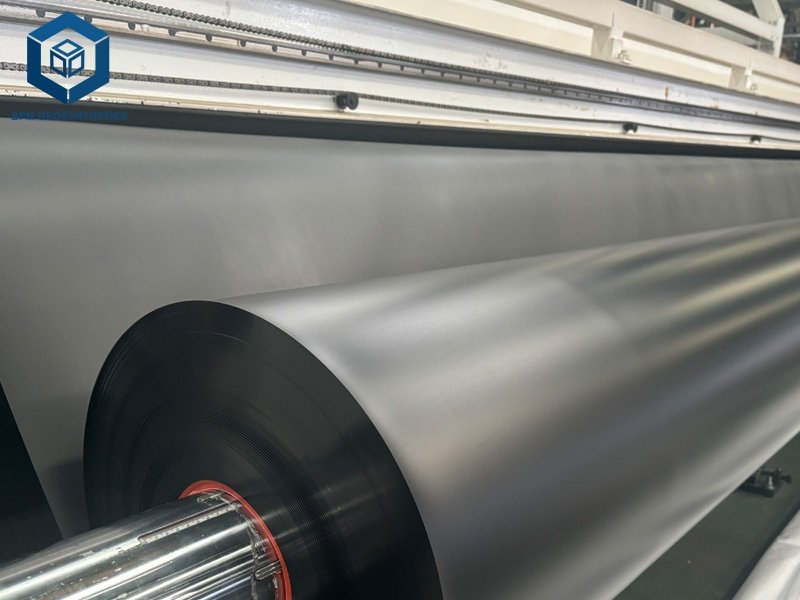
A 60 mil HDPE geomembrane is a flexible, impermeable liner made from high-density polyethylene (HDPE) resin. The term “mil” refers to a unit of thickness equal to 0.001 inches (0.0254 mm), so 60 mil translates to 0.06 inches or 1.5 mm thick. This thickness classifies it as a “heavy-duty” geomembrane, distinct from thinner variants like 20 mil (light-duty) or 40 mil (moderate-duty) liners.
2.2 Core Material Composition
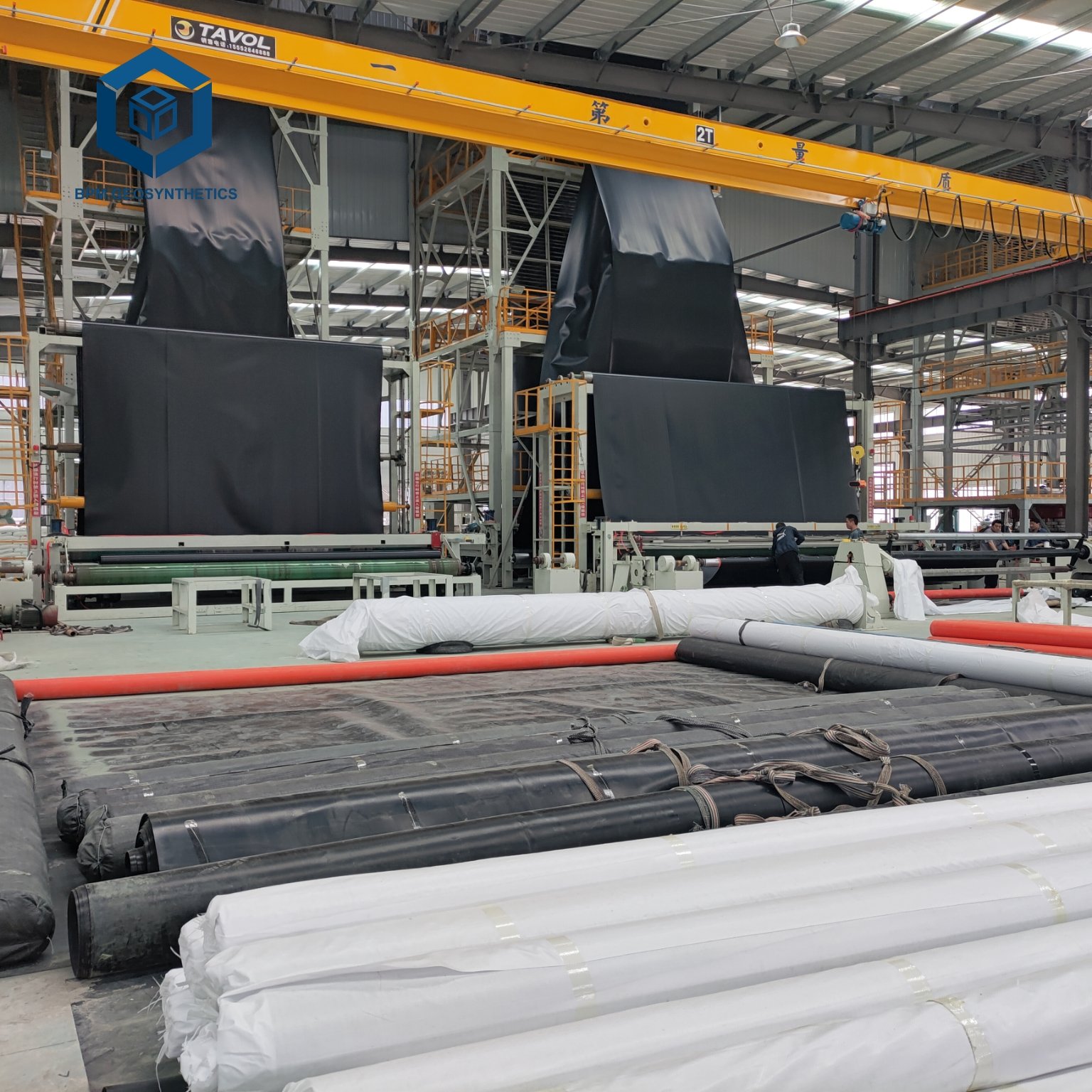
Manufacturers produce 60 mil HDPE geomembranes using virgin HDPE resin (98% by weight) blended with essential additives: 2–3% carbon black for UV resistance, antioxidants to prevent degradation, and heat stabilizers. These components ensure the material performs in harsh conditions without cracking or breaking down. The resin is processed via extrusion or blow-molding techniques to create uniform, flexible sheets that can be customized in lengths up to 100 meters and widths up to 10 meters .
2.3 Key Physical and Chemical Properties
The utility of 60 mil HDPE geomembrane stems from its exceptional properties:
- Mechanical Strength: It boasts a tensile strength of ≥25 MPa and elongation at break of ≥700%, allowing it to withstand ground shifts and heavy loads. Its puncture resistance (≥500 N) protects against sharp rocks or equipment.
- Chemical Resistance: It resists acids, bases, hydrocarbons, and landfill leachates—critical for containing hazardous substances.
- UV and Weather Stability: Carbon black additives enable it to endure 20+ years of exposed use and 50+ years when buried .
- Temperature Tolerance: It remains stable from -70°C to +110°C, performing in Arctic cold or desert heat.
- Impermeability: Its low permeability (≤10⁻¹² cm/s) prevents liquid or gas seepage.
2.4 How It Differs from Thinner HDPE Liners
Compared to 40 mil HDPE geomembranes, the 60 mil variant offers three key advantages: enhanced puncture resistance for abrasive environments (e.g., mining), lower permeability for critical containment (e.g., landfills), and longer service life in exposed conditions. Thinner liners work for light applications like decorative ponds, but 60 mil is preferred for heavy-duty, regulatory-driven projects.
3. Major Applications of 60 Mil HDPE Geomembrane
3.1 Environmental Waste Management
3.1.1 Landfill Liners
Landfills rely on 60 mil HDPE geomembranes as the primary barrier against leachate (toxic liquid from decomposing waste). Installed beneath waste piles and in leachate collection ponds, the liner prevents contaminants from seeping into groundwater. For example, China’s Hangzhou Landfill solved severe seepage issues by installing 60 mil HDPE liners, reducing pollutant levels in nearby groundwater dramatically. The material meets ASTM and EPA standards for hazardous waste containment.
3.1.2 Wastewater Treatment
Wastewater treatment facilities use 60 mil HDPE liners in lagoons and sedimentation ponds. The liner resists corrosive chemicals in untreated sewage and prevents leaks into soil. Its smooth surface minimizes biological growth, reducing maintenance needs.
3.2 Mining Industry
Mining operations depend on 60 mil HDPE geomembranes for containing acidic mine drainage and tailings (waste rock). The liner’s chemical resistance protects against sulfuric acid and heavy metals, while its thickness withstands punctures from sharp debris. It is used in heap leach pads, tailings dams, and process water ponds.
3.3 Water Resources and Hydraulic Engineering
3.3.1 Reservoirs and Canals
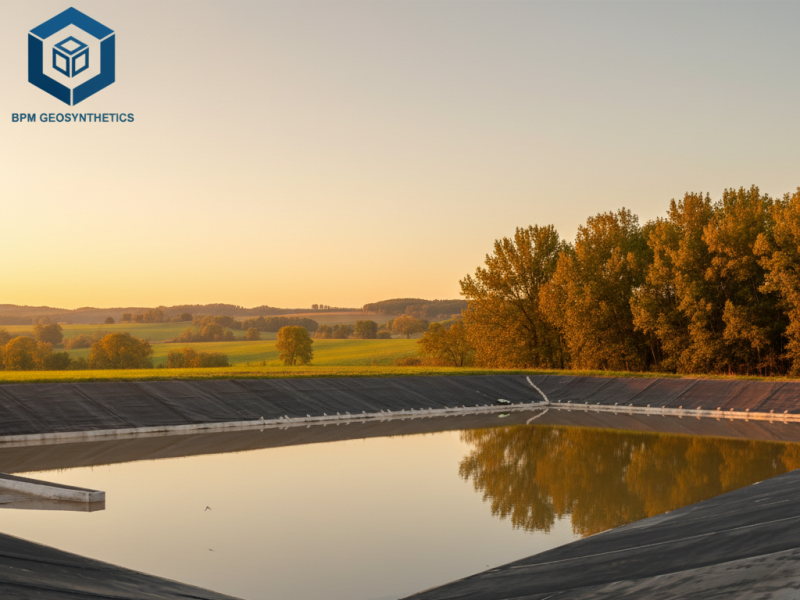
60 mil HDPE geomembrane lines reservoirs, canals, and irrigation ditches to reduce water loss. Unlike concrete, the liner is flexible, adapting to uneven terrain, and costs less to install. It is UV-stabilized, making it suitable for exposed canal liners in sunny regions.
3.3.2 Dam and Levee Sealing
Dams and levees use 60 mil HDPE liners as a waterproof layer to prevent seepage. The liner’s tensile strength handles soil movement during floods, while its impermeability 加固 s earthen structures.
3.4 Agriculture and Aquaculture
3.4.1 Aquaculture Ponds
Fish and shrimp farms use 60 mil HDPE liners to create leak-proof ponds. The liner maintains water quality by preventing soil contaminants from entering and reducing water loss . Its smooth surface also makes pond cleaning easier.
3.4.2 Irrigation and Crop Protection
In agriculture, the linear storage ponds are used for irrigation water and create barriers to control saline seepage, which damages crops. It is especially useful in arid regions where water conservation is critical.
3.5 Municipal and Construction Projects
3.5.1 Subway and Tunnel Waterproofing
Subways and tunnels use 60 mil HDPE liners as a waterproof layer beneath concrete. The liner prevents groundwater from seeping into underground structures, protecting electrical systems and reducing corrosion.
3.5.2 Road and Railway Foundations
Highway and railway foundations use 60 mil HDPE liners to stabilize expansive or collapsible soil. The liner acts as a moisture barrier, preventing soil swelling or shrinkage that causes road damage.
4.2 Maintenance Tips
- Regular Inspections: Check for punctures, seam damage, or UV degradation quarterly.
- Repairs: Patch small holes with HDPE patches and welding; replace severely damaged sections.
- Avoid Harsh Chemicals: While the liner resists most chemicals, avoid prolonged exposure to concentrated solvents .
5. Advantages and Limitations
5.1 Key Advantages
- Cost-Effective: Lower installation and maintenance costs than concrete or clay liners .
- Longevity: 50+ years of service when buried, reducing replacement needs .
- Regulatory Compliance: Meets international standards (ASTM, GM13, ISO 9001) .
- Versatility: Suitable for diverse industries and climates .
5.2 Limitations
- Low Temperature Brittleness: Becomes less flexible below -20°C, requiring careful installation in cold weather .
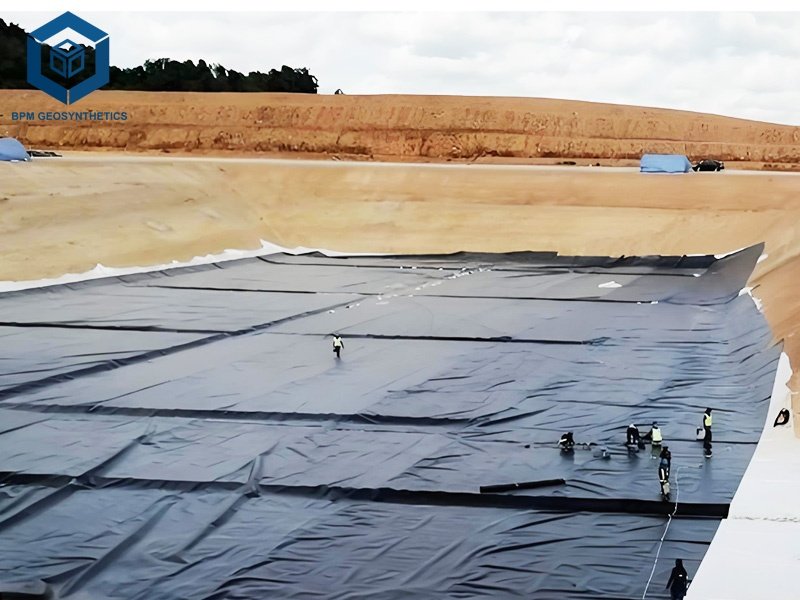
- Professional Installation: Seaming requires specialized equipment, increasing labor costs for small projects .
6. Conclusion
The 60 mil HDPE geomembrane is a versatile, durable material that addresses critical containment needs across industries. Its combination of strength, chemical resistance, and longevity makes it the preferred choice for heavy-duty applications like landfills, mining, and water infrastructure. By preventing contamination and conserving resources, it plays a vital role in environmental protection and sustainable development. As engineering standards grow stricter, the 60 mil HDPE geomembrane will remain essential for projects prioritizing reliability and compliance.