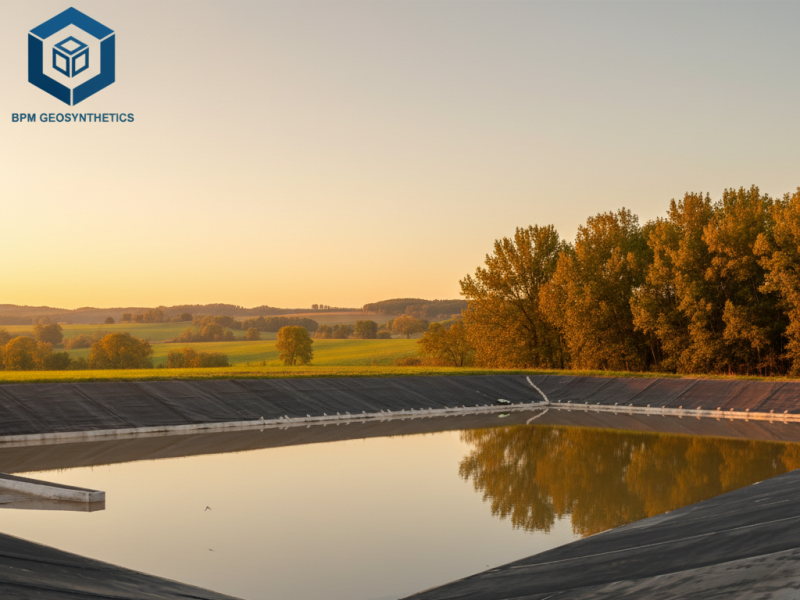
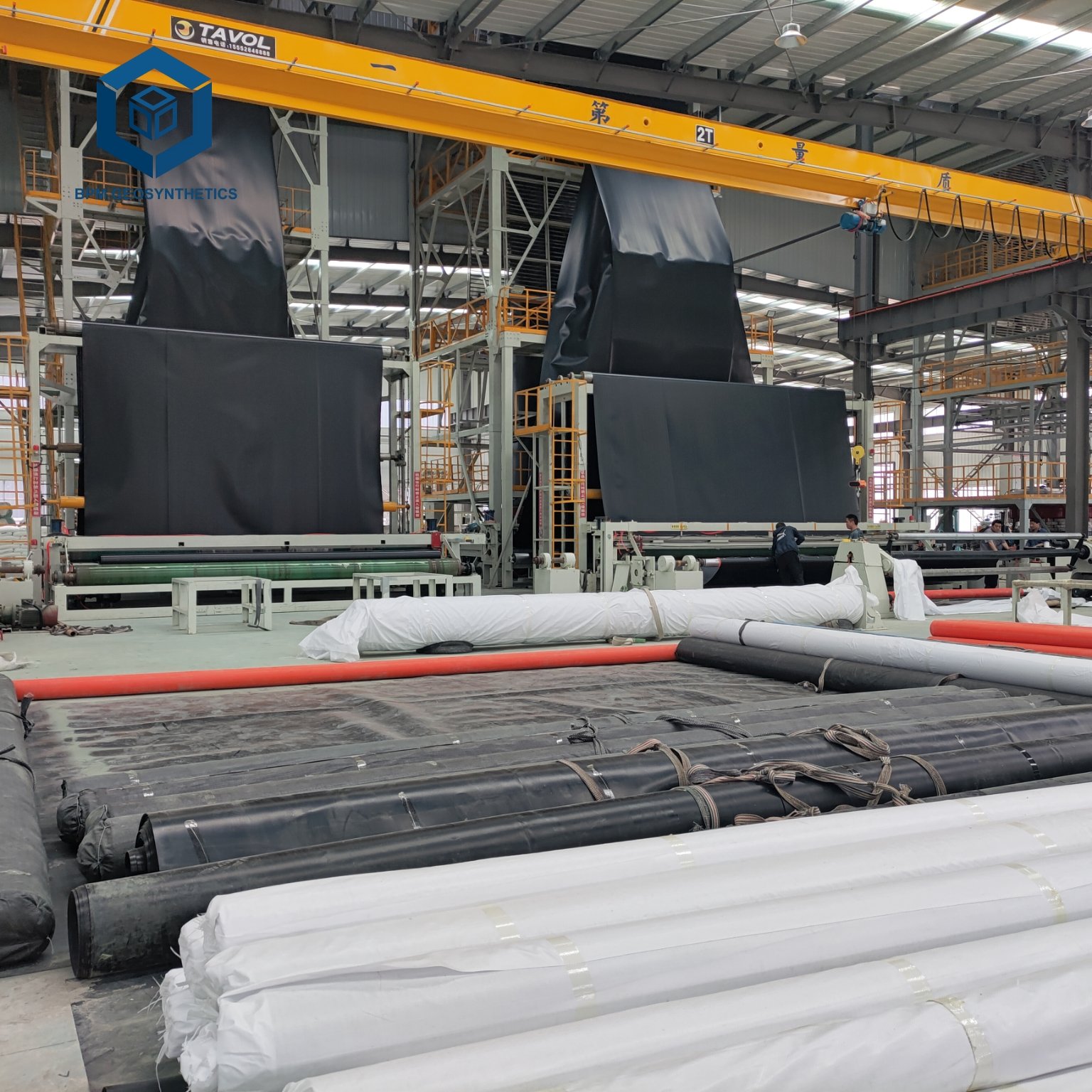
When it comes to projects like waste management, water storage, or agricultural applications, picking the right HDPE (High-Density Polyethylene) liner is non-negotiable. A quality HDPE liner boosts durability, prevents leaks, and saves long-term costs. Consider this: a 20-year-old exposed HDPE liner in Massachusetts maintained most properties but showed reduced stress crack resistance on sun-exposed slopes—proof that material choices directly impact longevity . But with countless options on the market, how do you make the best choice? Below are the top 7 tips to guide you.
1. Understand Your Project’s Specific Needs First
Before browsing HDPE liners for sale, map out your project’s details. Every application has unique demands, and matching the liner to these needs avoids mismatches.
1.1 Identify the Application Type
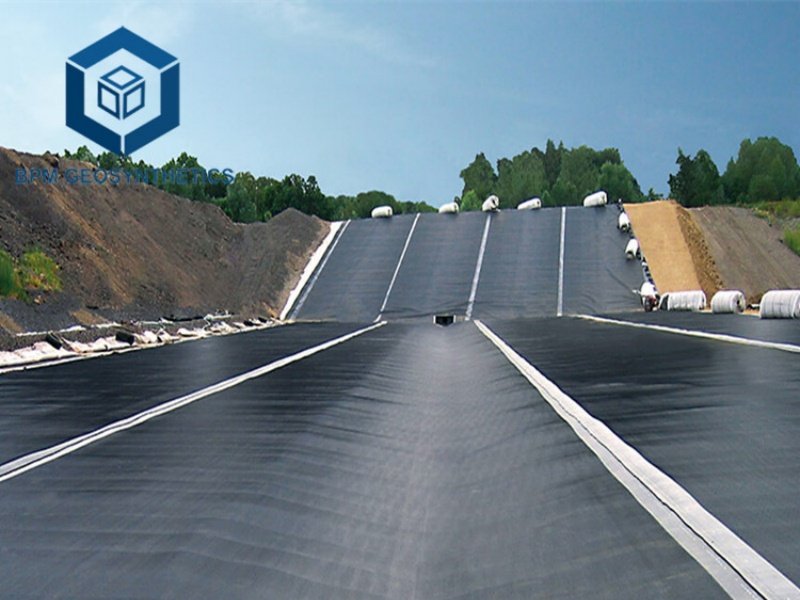
HDPE liners serve different purposes—landfills, ponds, reservoirs, or mining sites. Landfill liners need resistance to chemicals and punctures; the EPA mandates 60 mil (1.5mm) minimum thickness for non-hazardous waste containment to withstand construction stress and waste loads . Pond liners focus on water retention, while mining liners must handle acidic substances that would degrade standard options.
1.2 Note Environmental Conditions
Consider factors like temperature, UV exposure, and soil type. In hot climates, UV stabilization prevents degradation—critical since exposed liners lose antioxidant protection over time . Cold regions like Siberia benefit from CO3/CO4 stabilizers, which extended HDPE life by 25% in extreme temperature tests . Clay soils may require extra puncture resistance compared to sandy substrates.
2. Check the HDPE Material Quality
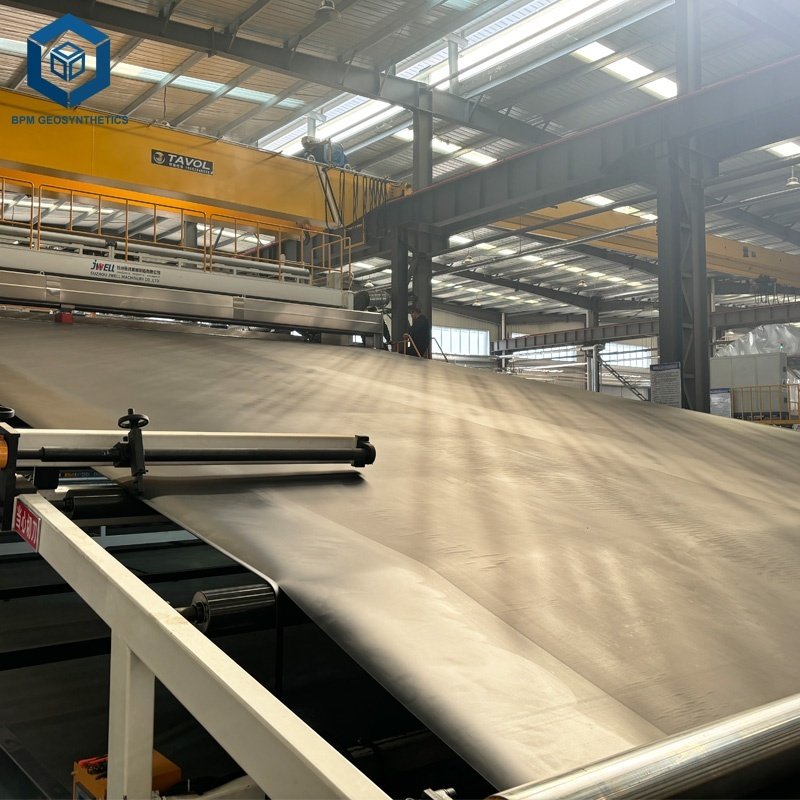
The quality of HDPE directly impacts the liner’s performance. Not all HDPE liners are the same, so focus on key material traits.
2.1 Look for Virgin vs. Recycled HDPE
Virgin HDPE liners, made from new resin, offer consistent strength—ideal for drinking water projects. Recycled HDPE (rHDPE) has improved: modern processing gives it 98.2% chemical resistance parity with virgin material, suitable for non-critical uses like secondary containment . Choose rHDPE certified for your application; it reduces landfill waste by 72% while meeting performance needs .
2.2 Verify Material Certifications
Reputable liners meet ASTM D4397, which specifies tests for thickness, tensile strength, and impact resistance . This standard ensures liners ≤10 mils (0.25mm) perform in construction/agricultural use. ISO 9001 certification adds quality management assurance. Ask suppliers for test reports—avoid products lacking third-party validation of key properties like heat sealability .
3. Choose the Right Thickness
HDPE liner thickness ranges from 0.5mm (20 mil) to 3mm (120 mil), with the right choice depending on project risks and load.
3.1 Match Thickness to Project Risks
- Low-risk (small ponds): 0.5–1mm (20–40 mil) works. These lightweight liners cost less for areas with minimal traffic.
- Medium-risk (reservoirs): 1.5mm (60 mil) offers 50% lower permeability than 40 mil options, balancing durability and cost .
- High-risk (landfills/mining): 2–3mm (80–120 mil) withstands heavy loads and chemicals. Thicker liners resist weathering but require more seams during installation .
3.2 Avoid Overlooking Local Regulations
Regulations often dictate thickness. EPA requires 60 mil (1.5mm) for non-hazardous landfills . Some states mandate 80 mil (2mm) for mining applications. Consult local environmental agencies—non-compliance can halt projects or cause fines.
4. Evaluate Seaming and Installation Options
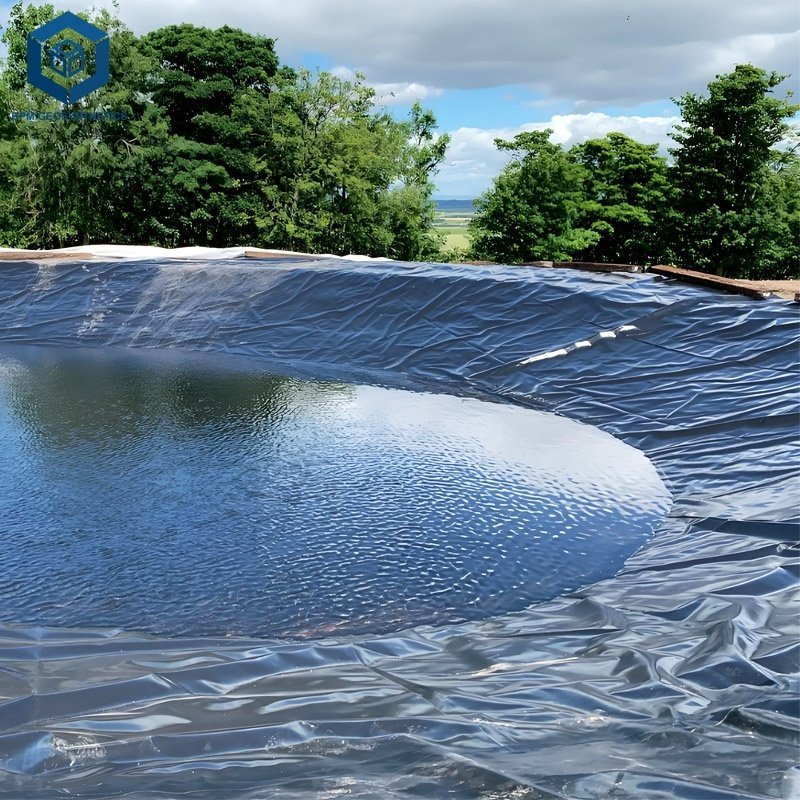
A liner’s effectiveness relies on strong seams—poor seaming causes 80% of leaks. Understand seaming methods and installation support.
4.1 Compare Seaming Techniques
- Heat welding: Creates bonds stronger than the liner itself, essential for large projects like reservoirs. Properly welded seams pass air pressure tests with no detectable leakage.
- Solvent bonding: Uses chemicals to join edges, suitable for small, flat areas. Less durable than welding for heavy-use zones.
- Mechanical seaming: Uses tapes/fasteners for temporary setups. Prone to leaks if debris enters seams; requires regular inspection.
4.2 Check Supplier Installation Support
Professional installation reduces errors in complex projects like irregular ponds. Ask if suppliers include:
- On-site seaming tests (air pressure or vacuum testing)
- Training for your team if using DIY kits
- Documentation of seam strength results post-installation
5. Assess Durability and Longevity
HDPE liners last 20+ years with proper selection, but lifespan depends on material and maintenance.
5.1 Look for Additives That Boost Longevity
Quality liners include:
- UV stabilizers: Prevent degradation in direct sunlight (critical for exposed applications like ponds)
- Antioxidants: Slow aging—depletion correlates with reduced stress crack resistance in exposed liners
- Anti-static agents: Reduce dust buildup that traps moisture
Ask suppliers for additive concentrations; 0.3–0.5wt% of CO3/CO4 stabilizers works for cold climates .
5.2 Consider Maintenance Requirements
Low-maintenance doesn’t mean no maintenance. Sharp rocks require a geotextile protective layer. In agricultural settings, avoid chemical exposure that degrades additives. For remote sites, choose higher puncture resistance to reduce inspection frequency.
6. Compare Suppliers and Prices
Don’t settle for the first option. Comparing geomembrane suppliers ensures quality at a fair price.
6.1 Research Supplier Reputation
Prioritize suppliers with 5+ years’ experience. Check reviews for mentions of:
- Consistency between samples and delivered product
- Responsiveness to quality issues
- Compliance with certification claims
Avoid suppliers with frequent complaints about inconsistent thickness or failed seam tests.
6.2 Balance Price and Quality
A \(0.50/sq ft liner may lack certifications, while \)1.20/sq ft buys ASTM compliance and warranty. Request samples to test thickness and flexibility. Remember: McElmo Dome’s HDPE liners operated 25+ years, proving long-term value outweighs initial savings . Compare 3–5 quotes, factoring in installation and warranty costs.
7. Ask About After-Sales Support and Warranty
A good supplier stands behind their product with strong support and a solid warranty.
7.1 Review Warranty Terms
Look for 10–20 year warranties covering:
- Material defects (e.g., inconsistent thickness)
- Workmanship issues (e.g., faulty extrusion)
- Labor for repairs (some suppliers cover this, others only replace liners)
Ensure warranties specify performance metrics, not just replacement—e.g., “liner will maintain ≥80% tensile strength for 15 years.”
7.2 Inquire About Post-Purchase Support
Reliable suppliers offer:
- Troubleshooting for leaks or seam issues
- Repair kits with matching material
- On-site fixes within 48 hours for critical failures
Ask for case studies of how they resolved past issues—e.g., replacing faulty sections under warranty.
Conclusion
Choosing the best HDPE liner requires balancing project needs, material quality, and supplier reliability. From Massachusetts’ 20-year liner to McElmo Dome’s 25-year success, these tips align with real-world performance . By prioritizing ASTM certification, proper thickness, and strong warranties, you’ll select a liner that prevents leaks, reduces maintenance, and protects your investment for decades. Remember: a quality HDPE liner isn’t just a purchase—it’s long-term project insurance.