Introduction.
Dams play a critical role in water storage, irrigation, flood control, and hydropower generation, supporting communities, agriculture, and industrial development worldwide. However, the long-term performance and safety of a dam depend heavily on one often-overlooked component: the dam lining material.
As an experienced international salesperson specializing in HDPE geomembranes and geosynthetic materials, I’ve helped hundreds of dam engineers, project managers, and procurement teams select the right lining material for their unique projects.
1. Key Factors to Consider Before Choosing Dam Lining Materials
Selecting the right dam lining material isn’t a one-size-fits-all decision. Every dam project has unique requirements based on its purpose, location, and environmental conditions. Before evaluating specific materials, you must first assess these critical factors to narrow down your options and ensure long-term performance.
1.1 Dam Type and Purpose
The type of dam and its intended use directly influence the lining material’s requirements. For example, irrigation dams require linings with superior impermeability to minimize water loss, while tailings dams (used in mining) need materials that can resist chemical corrosion from toxic contaminants. Embankment dams, which account for 75% of all dams globally, require flexible linings that can adapt to structural movements, while concrete dams may need linings to repair cracks and prevent seepage.
1.2 Geological and Site Conditions
The soil composition and topography of the dam site are crucial. Sites with rocky or uneven terrain demand linings with high puncture resistance to withstand sharp rocks and debris. Clay-rich soils may have natural impermeability, but they often require supplementary linings to prevent cracking during dry periods. Additionally, sites with extreme temperatures (hot or cold) need linings that can resist UV degradation and thermal expansion/contraction without losing integrity.
1.3 Environmental and Regulatory Requirements
Modern dam projects must comply with strict environmental regulations, such as the UN’s Sustainable Development Goal 6 for water security, which aims to reduce 40% of global water loss by 2030. Lining materials must be non-toxic to protect groundwater and aquatic ecosystems. In some regions, regulations also require materials that are recyclable or have a low carbon footprint—factors that make HDPE geomembrane an increasingly popular choice.
1.4 Budget and Long-Term Cost
While upfront cost is a consideration, it’s critical to focus on long-term value. Cheaper materials like traditional clay liners may have lower initial costs but require frequent maintenance and replacement (every 20–30 years), increasing total lifecycle costs. High-quality materials like HDPE geomembrane, with a lifespan of 40–100 years, offer a better return on investment by reducing maintenance needs and avoiding costly repairs.
2. Common Dam Lining Materials: Pros and Cons
There are several types of dam lining materials available, each with its own strengths and limitations. Understanding these differences will help you make an informed decision that aligns with your project’s needs.
2.1 HDPE Geomembrane
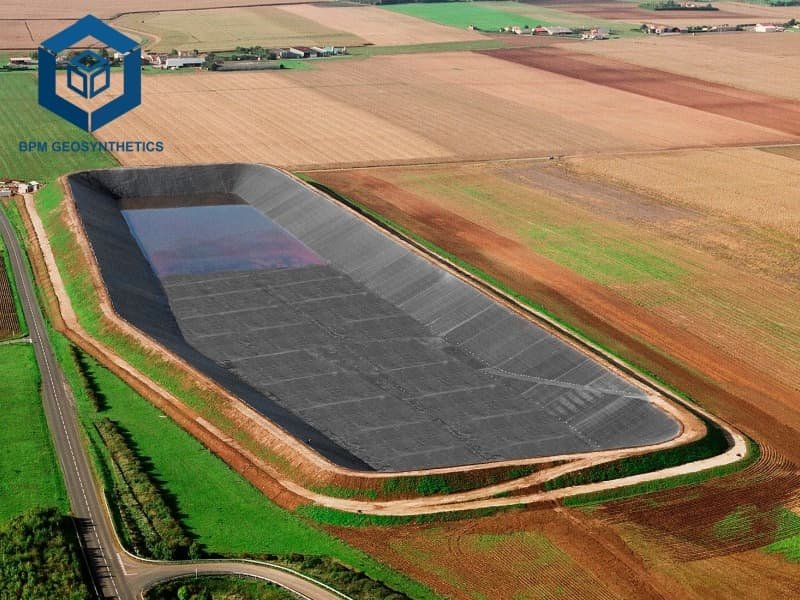
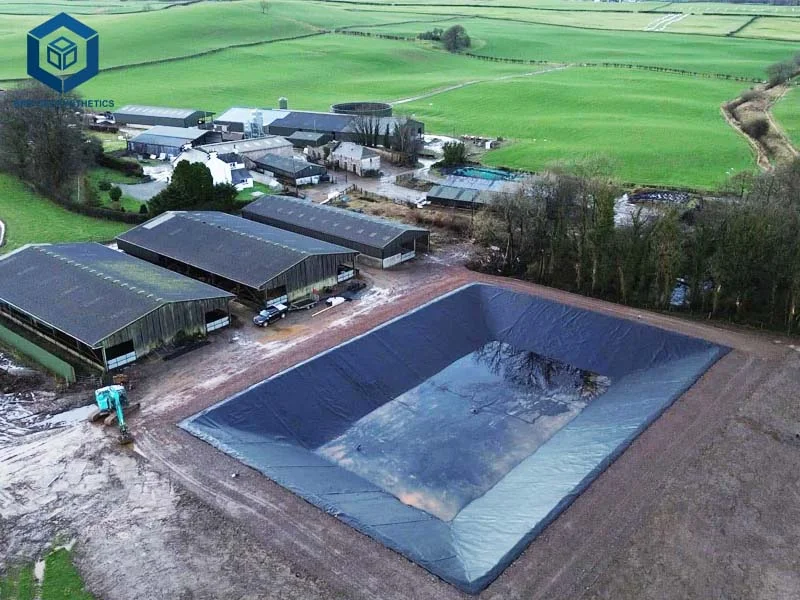
High-Density Polyethylene (HDPE) geomembrane is a synthetic lining material that has become the industry standard for dam projects—used in 60% of global dam lining applications, according to recent industry data. As a specialist in HDPE geomembranes, I’ve seen firsthand how its unique properties make it ideal for dams of all types.
HDPE geomembrane offers superior impermeability, with a hydraulic conductivity of ≤10⁻¹¹ cm/s (ASTM D 5085), blocking 99.9% of water seepage. It has high tensile strength (30–45 kN/m, ASTM D 6693), 25% stronger than PVC, making it suitable for high-head dams (50–100 m). Its puncture resistance (up to 8 kN, ASTM D 4833) protects against rock fragments and seismic activity, while its elongation at break (600–1200%) allows it to adapt to dam settlements and structural movements without tearing.
2.2 PVC Geomembrane
Polyvinyl Chloride (PVC) geomembrane is a flexible, lightweight material that is easy to transport and install. It is often used in small to medium-sized dams or canals, particularly in arid regions where water conservation is critical. PVC liners are cost-effective upfront and have good flexibility, making them suitable for uneven terrain.
However, PVC has significant drawbacks for large or long-term dam projects. It has lower tensile strength and puncture resistance than HDPE, making it vulnerable to damage from rocks and debris. It is also less resistant to UV radiation and chemical exposure, leading to degradation over time—reducing its lifespan to 15–20 years. For high-head dams or projects with harsh environmental conditions, PVC is not a reliable choice.
2.3 Clay Liners
Clay liners, such as bentonite clay, are natural materials with low permeability, making them a traditional choice for dam lining. They are cost-effective and environmentally friendly, as they are made from natural materials. Bentonite clay swells when in contact with water, creating a tight seal that prevents seepage.
Despite their advantages, clay liners have several limitations. They require large installation space and heavy compaction to achieve impermeability, increasing labor and equipment costs. Clay liners are also prone to cracking during dry periods, which can compromise their performance. Their lifespan (20–30 years) is significantly shorter than that of HDPE, and they are not suitable for sites with rocky terrain or chemical exposure.
3. Why HDPE Geomembrane Is the Best Choice for Most Dam Projects
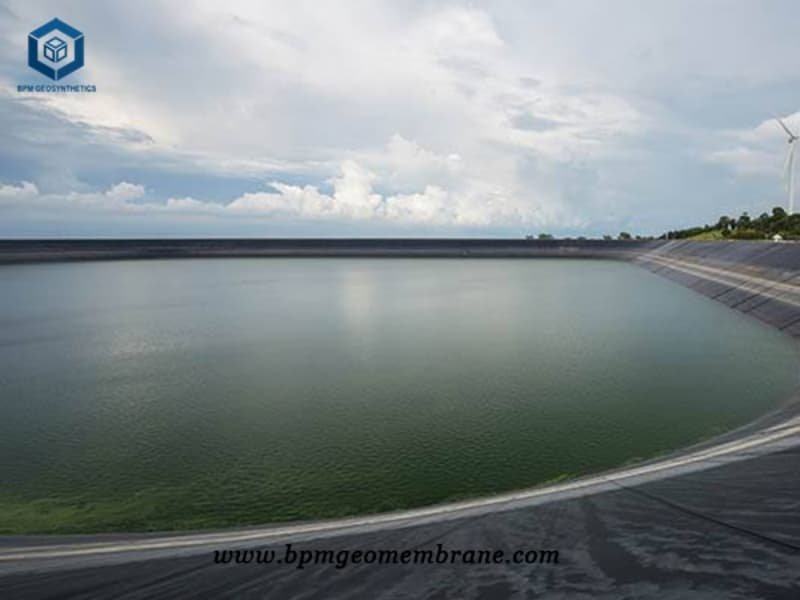
After comparing the most common dam lining materials, it’s clear that HDPE geomembrane offers the best balance of performance, durability, and cost-effectiveness—especially for large-scale or long-term dam projects. Here’s why it’s the preferred choice of engineers and project managers worldwide, including those using Solmax’s industry-leading solutions:
3.1 Unmatched Impermeability and Water Conservation
HDPE geomembrane’s low hydraulic conductivity ensures minimal water seepage, which is critical for irrigation dams and reservoirs. According to the World Bank (2024), a 1.5 mm HDPE liner can reduce seepage by 95% in irrigation dams, saving millions of liters of water annually. This not only improves the dam’s efficiency but also helps meet global water security goals.
3.2 Exceptional Durability and Long Lifespan
HDPE geomembrane is designed to withstand harsh environmental conditions, including extreme temperatures, UV radiation, and chemical exposure. Its lifespan of 40–100 years is more than double that of clay or PVC liners, reducing the need for frequent replacement and maintenance. Solmax’s HDPE geomembranes, for example, have been used in dams like China’s 56-meter-high Renzhonghai rockfill dam (with a maximum water head of 40m) for over a decade, maintaining optimal performance.
3.3 Flexibility and Adaptability
Unlike rigid materials like concrete, HDPE geomembrane is highly flexible, with an elongation at break of up to 1200%. This allows it to adapt to dam settlements, seismic activity, and structural movements without tearing or cracking. It can be easily installed on uneven or steep terrain, including the steep slopes of rockfill dams, where it can be fixed with adhesives or fasteners for added stability.
3.4 Cost-Effectiveness Over the Long Term
While HDPE geomembrane may have a higher upfront investment than clay or PVC, its long lifespan and low maintenance requirements make it the most cost-effective choice over the dam’s lifecycle. It eliminates the need for frequent repairs and replacement, reducing labor and material expenses. For example, a 1.5 mm HDPE liner installed in a medium-sized reservoir delivers substantial long-term savings compared to a clay liner.
4. How to Select the Right HDPE Geomembrane for Your Dam Project
Not all HDPE geomembranes are created equal. To ensure you choose the right product for your project, consider these key factors:
4.1 Thickness
HDPE geomembrane thickness ranges from 0.75 mm to 3.0 mm (30–120 mil). The ideal thickness depends on the dam’s size, water head, and site conditions. For most medium-sized dams, a 1.5 mm liner is standard, balancing cost and hydrostatic resistance. Larger dams or sites with rocky terrain may require 2.0–3.0 mm liners for added puncture resistance.
4.2 Quality of Raw Materials
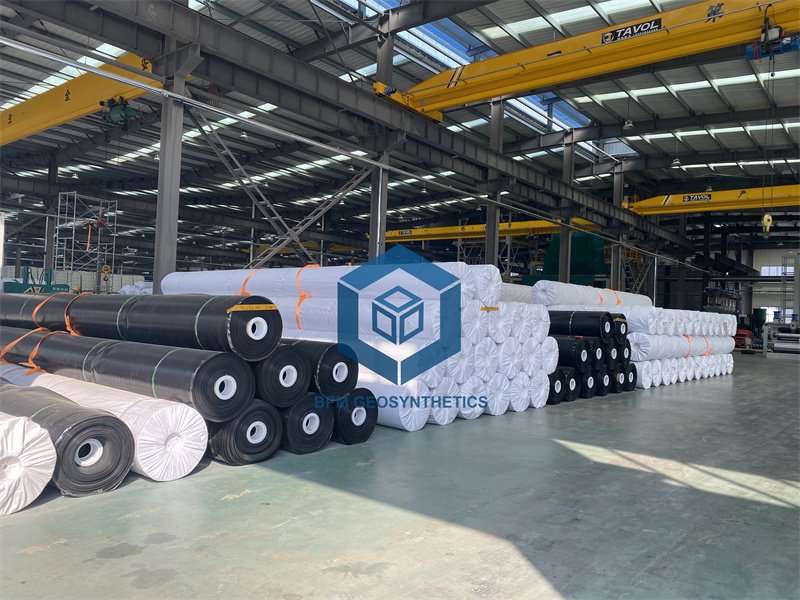
Always choose HDPE geomembrane made from 100% virgin resin, not recycled materials. Recycled HDPE is more prone to brittleness and cracking, reducing its lifespan to less than 10 years. Our products, like Solmax’s, are manufactured with high-quality virgin HDPE resin and enhanced with carbon black, antioxidants, and anti-aging agents to ensure maximum durability.
4.3 Installation Expertise
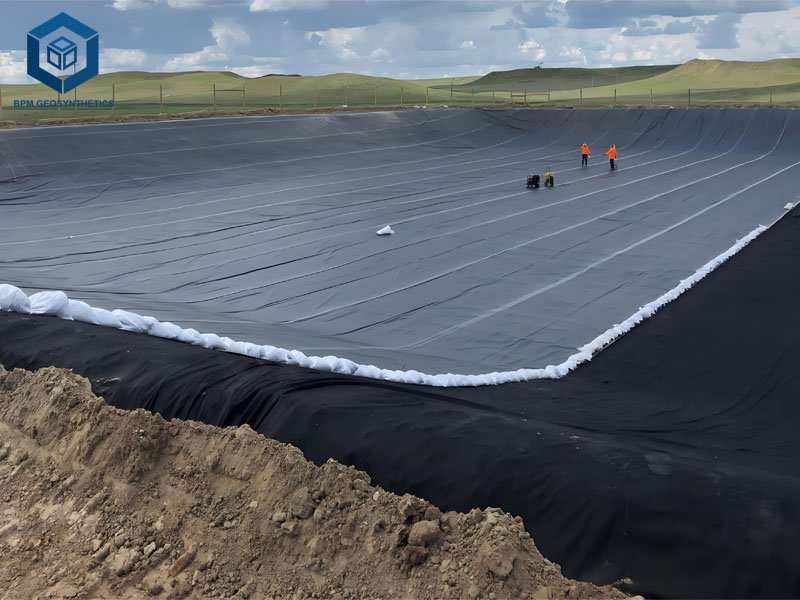
Proper installation is critical for HDPE geomembrane performance. The liner must be professionally welded to create a continuous, leak-proof barrier. Look for a supplier that offers installation support or partners with certified installers to ensure the liner is installed correctly. Poorly welded seams are the most common cause of HDPE liner failure.
5. Conclusion
Choosing the right dam lining material is a decision that impacts the safety, efficiency, and longevity of your dam project. While there are several options available, HDPE geomembrane stands out as the most reliable, durable, and cost-effective choice for most applications—backed by industry data, case studies, and the trust of engineers worldwide.
As an HDPE geomembrane international supplier, we, The Best Project Material Co., Ltd, are committed to helping you select the perfect lining material for your project. Whether you’re working on a small irrigation dam or a large-scale hydropower project, our HDPE geomembranes are designed to meet the highest industry standards, ensuring optimal performance and long-term value. Contact us today to discuss your project’s specific needs and get a customized consultation—we’re here to help you build a safer, more efficient dam.