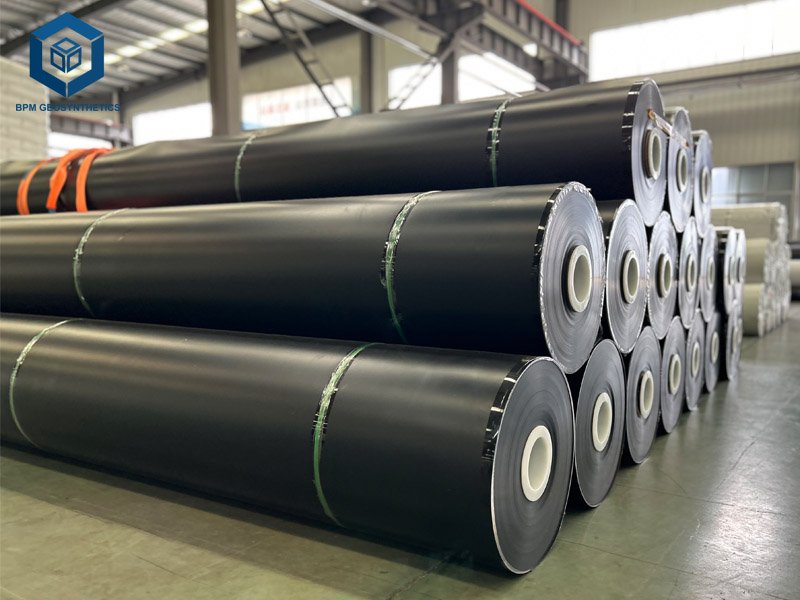
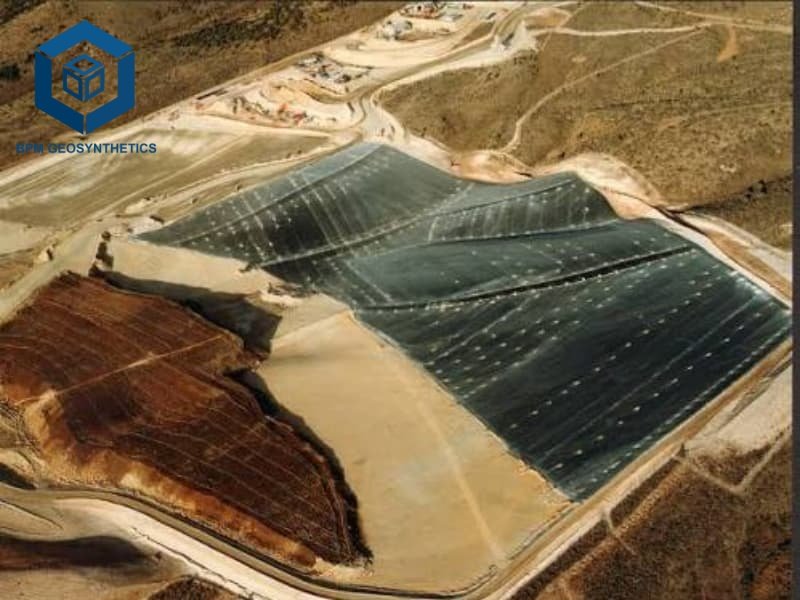
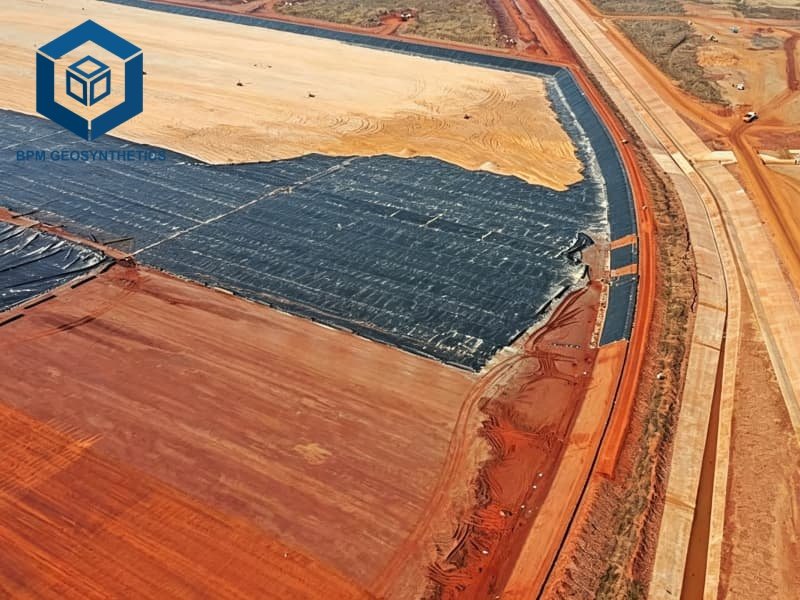
If you are planning a pond, landfill, reservoir, mining heap leach pad, or wastewater treatment project, one question will sit at the top of your budget list: what is the real cost of HDPE geomembrane per square meter? Many new buyers only compare raw sheet prices and overlook hidden charges. This mistake often leads to budget overruns and unexpected delays on site.
HDPE geomembrane is a high-density polyethylene liner designed as an impermeable barrier. It blocks water, leachate, and chemicals from seeping into soil and groundwater. It has become the preferred liner material for civil and environmental projects worldwide. But there is no fixed universal price. The final price shifts based on specifications, standards, order size, and logistics. This guide breaks down the price range, key cost drivers, and practical buying tips for 2026.
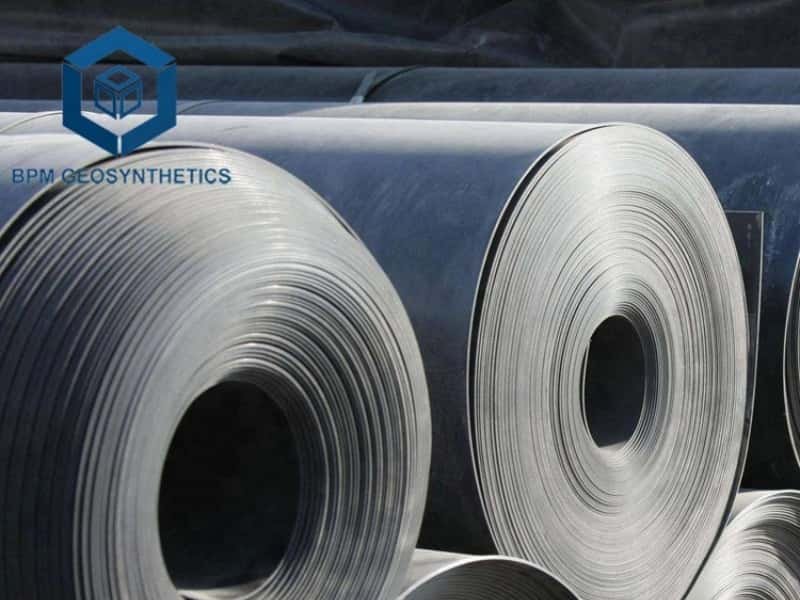
1. General HDPE Geomembrane Price Range Per Square Meter
Before we go into detail, here’s a baseline market price range for reference. All prices below refer to the material cost only, excluding freight, welding, installation, geotextile cushion, and site labour.
Smooth standard HDPE geomembrane usually falls between 0.65 USD and 1.80 USD per square meter. Thin 0.5 mm grades for simple fish ponds sit at the lower end of this bracket. Thick 2.0 mm ASTM-certified liners for landfill and hazardous waste containment sit near the higher end.
Textured HDPE geomembrane costs extra. Its rough surface increases friction for slope stability, so it commonly adds 0.20 USD to 0.40 USD per square meter compared with a smooth liner of the same thickness. For specialised formulations such as high UV resistance or chemical-resistant grades, the price can rise above 2.00 USD per square meter.
It is critical to note that these are bulk factory prices. Small retail orders from local distributors will cost far more. Small batch orders may push the unit price up by 30 percent or higher due to minimum roll limits and handling fees.
2. Core Factors That Change HDPE Geomembrane Price
2.1 Thickness
Thickness is the biggest single factor affecting cost. HDPE geomembrane thickness normally runs from 0.5 mm up to 3.0 mm. Each extra 0.5 mm adds raw resin consumption, so material weight and cost increase linearly.
Light duty 0.5 mm liner works for ornamental lakes, small aquaculture ponds, and temporary water storage. It is cheap but vulnerable to punctures from sharp stones. Medium duty 1.0 mm and 1.5 mm are the most popular options. They balance cost and durability for irrigation reservoirs, shrimp farms, and secondary wastewater lagoons. Heavy-duty 2.0 mm and above are mandatory for landfill base liners, mining facilities, and chemical containment pits. These thick liners resist heavy mechanical stress and long-term chemical exposure.
Buyers should not automatically choose the thinnest option to save money. A thin liner that tears during installation will cost far more in repair and replacement.
2.2 Surface Type: Smooth vs Textured
Smooth HDPE geomembrane is the standard and lowest-cost option. It is easy to weld and clean, ideal for flat pond bottoms and lagoon floors.
Textured geomembrane has one or two textured sides. The texture improves interface friction between liner and geotextile or soil. This stops sliding on steep slopes. It is widely used on landfill side slopes, dam liners, and steep mining pads. The extra manufacturing process pushes the price higher.
2.3 Raw Material and Quality Standard
Not all HDPE geomembrane uses the same raw resin. Virgin resin products have stable tensile strength, elongation, UV resistance and chemical stability. Recycled resin liners are cheaper, but performance is inconsistent. Recycled material may crack faster under sunlight or contact with aggressive chemicals.
Certification standards also change pricing. ASTM GM13, GRI-GM13 and other international project standards require strict factory testing and batch traceability. Manufacturers must run lab tests for thickness, tensile strength, tear resistance and carbon black content. Certified liners cost more, but they are required for most government-funded, landfill and mining projects. Non-certified generic liners often skip formal testing and sell at a discount.
2.4 Order Quantity and Roll Specifications
Economies of scale apply clearly to geomembrane pricing. Large orders of tens of thousands of square meters get the lowest unit price. Small orders under 1,000 square meters carry higher unit cost because production runs and roll setup charges cannot be spread out.
Roll width also influences the final offer. Wide rolls reduce on-site welding seams, which cuts installation labour. But wide rolls are harder to produce, pack and ship, so they may carry a slight price premium.
2.5 Logistics, Installation and Auxiliary Materials
The sheet price you receive from a supplier is rarely the full project cost. Many buyers miss this part. Freight cost varies heavily by destination, port access and container loading. Remote inland sites can have freight cost equal to or even higher than the geomembrane itself.
Installation is another major expense. Professional welding by certified technicians costs per square meter. You also need geotextile as cushion and protection layer above or below the liner, sand or clay subgrade preparation, welding testing and leak detection. If you only budget for the geomembrane sheet, you will face a large funding gap.
Conclusion
HDPE geomembrane does not have a fixed price per square meter. The market baseline for standard smooth virgin HDPE liner ranges from roughly 0.65 USD to 1.80 USD per square meter, with textured and heavy-duty certified grades costing more. Thickness, surface finish, raw material quality, certification, order volume, and freight all shape the final number.
When you prepare your project budget, treat the geomembrane sheet as only one part of the total liner system. Cushion geotextile, transport, professional welding, and site preparation add to the cost. The smartest buying strategy is to match specifications to your project risk level, instead of chasing the lowest price blindly.
If you send your project details, including application, required thickness, surface type, and total area, suppliers can give you an accurate, tailored quotation. This approach helps you avoid budget surprises and pick a liner that delivers reliable long-term containment performance.