1. Introduction
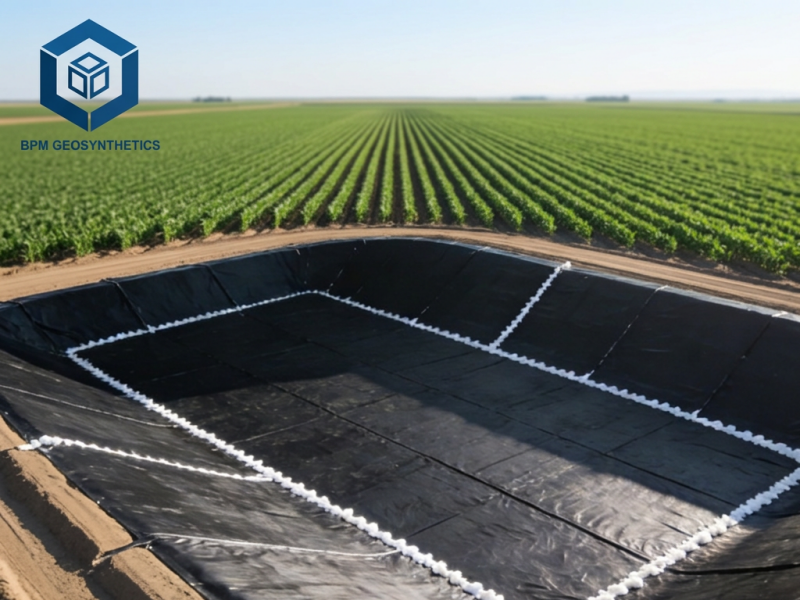
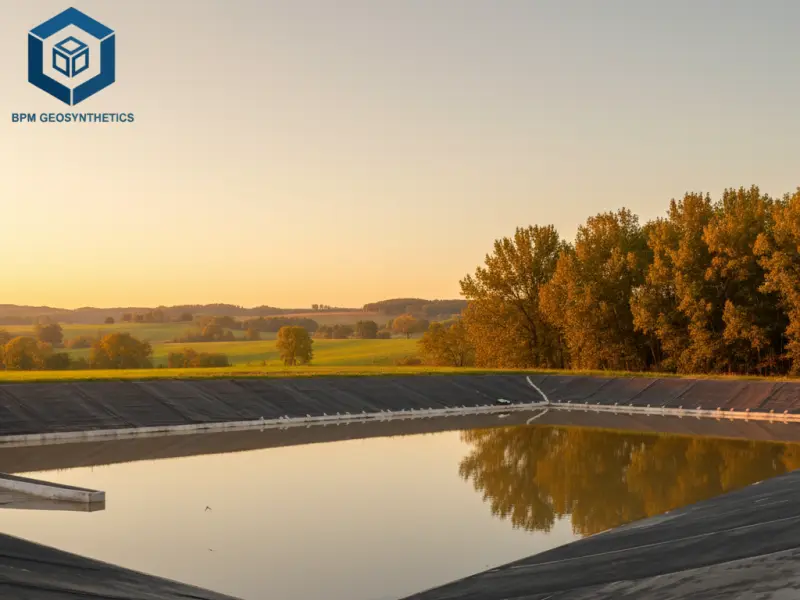
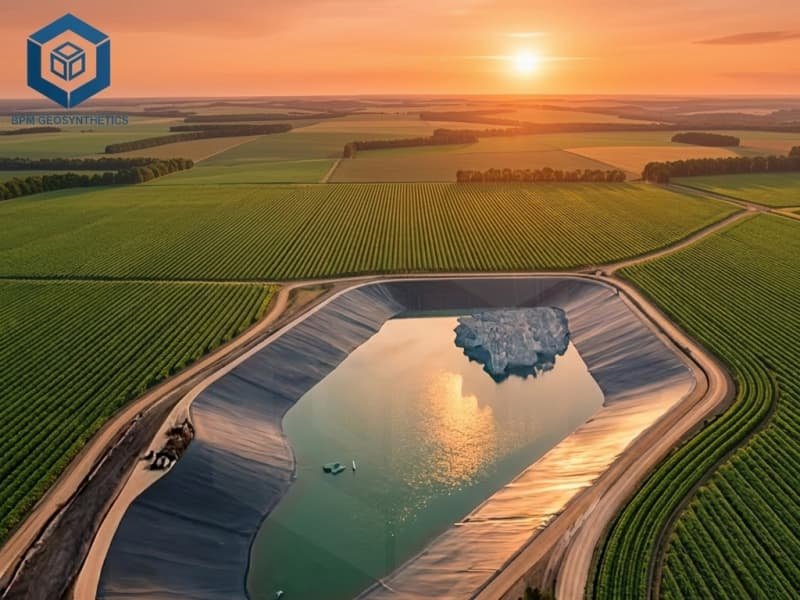
Pond construction and renovation have evolved significantly over the past decades. Among the many lining solutions available, HDPE (High-Density Polyethylene) geomembranes have emerged as the industry standard for durable, long-lasting water containment. Whether you are building a farm pond for irrigation, a decorative fish pond, a golf course water hazard, or an industrial wastewater lagoon, selecting the right liner is critical. This ultimate guide will walk you through everything you need to know about HDPE lining for ponds – from material properties and thickness selection to installation steps and maintenance tips. By the end, you will understand why HDPE outperforms alternatives like concrete, clay, or PVC, and how to ensure a successful, leak-free project.
2. What Is HDPE Pond Lining?
2.1 Definition and Material Composition
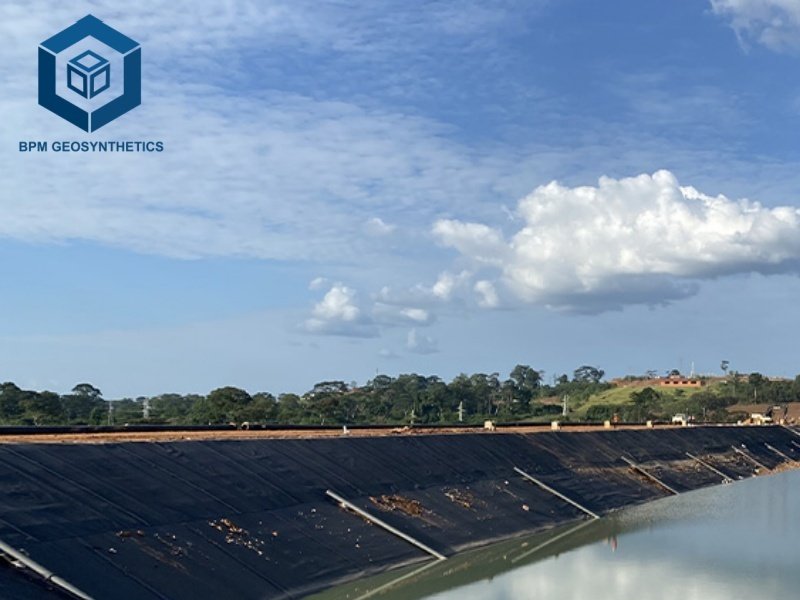
HDPE stands for High-Density Polyethylene. It is a thermoplastic polymer made from petroleum, characterized by a high strength-to-density ratio. When manufactured into geomembranes, HDPE becomes a flexible, impervious sheet used to line ponds, reservoirs, canals, and landfills. The material is produced through an extrusion process, resulting in a smooth or textured surface with consistent thickness ranging typically from 0.5 mm (20 mil) to 2.5 mm (100 mil).
2.2 Key Properties That Make HDPE Ideal for Ponds
HDPE pond liners offer several unique advantages:
Low permeability: HDPE has a hydraulic conductivity of approximately 10⁻¹² cm/s, making it virtually impermeable.
Chemical resistance: It resists attack from acids, alkalis, hydrocarbons, and salts commonly found in soil and water.
UV stability: Carbon black additives protect against ultraviolet degradation, enabling long-term exposure.
High tensile strength: HDPE can withstand punctures, tearing, and heavy overburden pressures.
Flexibility: Despite its strength, HDPE remains pliable enough to conform to uneven subgrades.
Long service life: Properly installed HDPE liners can last 50+ years.
3. Why Choose HDPE Over Other Pond Lining Materials?
To make an informed decision, it is helpful to compare HDPE with common alternatives.
3.1 HDPE vs. PVC (Polyvinyl Chloride)
Durability: HDPE is more resistant to UV radiation and root penetration. PVC degrades faster under sunlight.
Flexibility: PVC is initially more flexible, but HDPE retains flexibility over a wider temperature range.
Cost: HDPE has a slightly higher upfront cost but lower long-term replacement expenses.
Environmental impact: HDPE is inert and recyclable; PVC may release plasticizers over time.
3.2 HDPE vs. EPDM (Rubber)
Strength: HDPE has higher puncture and tear resistance.
Installation: EPDM requires adhesive seams which can fail; HDPE uses heat welding for monolithic seams.
Lifespan: Both offer long life, but HDPE performs better in exposed, high-stress applications.
Cost per square meter: HDPE is generally more economical for large ponds.
3.3 HDPE vs. Concrete
Cracking: Concrete is prone to cracking from freeze-thaw cycles or ground movement. HDPE flexes without breaking.
Waterproofing: Concrete requires additional sealants; HDPE is inherently impervious.
Installation time: Concrete curing takes weeks; HDPE installation is completed in days.
Repairability: HDPE liners are easier to patch than cracked concrete.
3.4 HDPE vs. Bentonite Clay
Reliability: Clay liners can dry out and crack; HDPE maintains consistent performance.
Thickness: A clay liner may need 30–60 cm thickness; HDPE requires only 1–2 mm.
Quality control: Clay performance varies with local sources; HDPE is factory-manufactured to strict standards.
4. Selecting the Right HDPE Liner Thickness
One of the most common questions pond owners ask is: “What thickness do I need?” The answer depends on several factors.
4.1 Common Thickness Options
0.5 mm (20 mil): Suitable for small decorative ponds with soft subgrade and no heavy traffic.
1.0 mm (40 mil): The most popular choice for farm ponds, golf course water features, and general agricultural use.
1.5 mm (60 mil): Recommended for ponds with rocky subgrade, moderate foot traffic, or where livestock will wade.
2.0 mm (80 mil): For industrial lagoons, mining ponds, or areas with sharp objects and heavy mechanical stress.
2.5 mm (100 mil): Extreme duty applications, such as landfill leachate ponds or high-pressure containment.
4.2 Selection Guidelines by Application
Decorative fish pond (no large fish) – 0.5 mm or 1.0 mm
Irrigation reservoir – 1.0 mm
Livestock watering pond – 1.5 mm (to resist hoof damage)
Koi pond with rocks – 1.5 mm
Stormwater retention basin – 1.0 mm to 1.5 mm
Industrial or chemical pond – 2.0 mm or thicker
4.3 The Role of Subgrade Preparation
Even the thickest HDPE liner will fail if the subgrade contains sharp rocks, roots, or debris. Always install a geotextile cushion layer (non-woven fabric) between the soil and the liner. For very rough subgrades, consider a thicker liner or an additional protective layer.
5. Step-by-Step Installation Guide for HDPE Pond Liner
Proper installation is the key to achieving a truly impervious barrier. While hiring a certified installer is recommended for large projects, small ponds can be DIY with careful attention to detail.
5.1 Site Preparation
Excavation: Dig the pond to the desired shape and depth, with side slopes no steeper than 3:1 (horizontal:vertical) to prevent liner slippage.
Subgrade smoothing: Remove all stones, roots, and debris. Fill holes and compact the soil.
Cushion layer: Lay a geotextile fabric over the entire subgrade. Overlap sheets by 30 cm and pin them down.
5.2 Liner Deployment
Unrolling: Unroll the HDPE liner on a calm, dry day. Avoid dragging over rough surfaces.
Allow for shrinkage: Leave 5–10% extra liner around the perimeter to accommodate thermal expansion and contraction.
Draping: Let the liner drape naturally into the pond contours. Do not stretch it tight.
5.3 Seaming (Welding)
HDPE sheets are joined using heat welding. Two methods exist:
Fusion welding (dual-track): The preferred method for permanent ponds. A welding machine applies heat and pressure to fuse two sheets into a single, watertight seam.
Extrusion welding: Used for patches or areas where fusion welders cannot reach.
Important: Always perform seam tests (peel test and shear test) on sample strips before welding the actual liner.
5.4 Anchoring the Perimeter
Dig an anchor trench (30 cm deep x 30 cm wide) around the pond’s top edge. Place the liner edge into the trench, backfill with soil, and compact. For steeper slopes or high water pressure, consider concrete anchors or mechanical fasteners.
5.5 Filling and Trimming
Fill the pond slowly while removing wrinkles by hand.
Once full, allow the liner to settle for 24 hours.
Trim excess liner beyond the anchor trench, leaving a 20 cm overhang.
5.6 Leak Testing
Observe the water level for 48–72 hours. A drop of more than 2 cm (excluding evaporation) indicates a leak.
Use a dye test or electronic leak location survey for pinpoint detection.
6. Common Mistakes to Avoid
Even experienced contractors sometimes overlook critical details. Avoid these pitfalls:
6.1 Skipping the Geotextile Cushion
Sharp stones under the liner will eventually puncture it, especially with water pressure. Geotextile is cheap insurance.
6.2 Inadequate Seam Quality
Poorly welded seams are the most common cause of leaks. Always hire certified welders and perform on-site seam testing.
6.3 Ignoring Thermal Expansion
HDPE expands and contracts with temperature changes. Leaving the liner taut during cool morning installation can cause it to tear or pull away from anchors on hot afternoons.
6.4 Using the Wrong Thickness
A thin liner in a rocky environment leads to premature failure. Invest in the correct thickness for your specific conditions.
6.5 Poor Anchor Design
Shallow or narrow anchor trenches can allow the liner to pull out when the pond fills, especially on steep banks.
7. Maintenance and Repair of HDPE Pond Liners
Once installed, an HDPE liner requires minimal maintenance. However, periodic inspections extend its lifespan.
7.1 Routine Inspection
Every 6 months, walk the perimeter and check for exposed liner edges, animal damage, or vegetation growth.
After heavy storms, inspect for debris that might have punctured the liner.
Monitor water level weekly for unexplained drops.
7.2 Repairing Small Punctures
For holes up to 5 cm:
Clean the area with a solvent (isopropyl alcohol).
Cut a patch of the same HDPE material, rounding the corners.
Use an extrusion welder or a patch kit (HDPE tape for temporary repairs).
Press firmly and allow to cool.
7.3 Repairing Large Tears
For tears longer than 10 cm:
Drain the pond below the tear level.
Cut out the damaged section.
Weld in a new piece with at least 10 cm overlap on all sides.
Conduct a vacuum box test to verify seam integrity.
7.4 Preventing UV Damage
HDPE with 2–3% carbon black is UV-stable. However, for ponds that remain empty or partially filled for long periods, consider shading or covering exposed liner areas to extend life.
8. Cost Considerations and ROI
While the upfront cost of HDPE lining may be higher than some alternatives, the long-term return on investment is compelling.
8.1 Typical Cost Breakdown (per square meter)
0.5 mm HDPE liner – $1.50 – $2.50
1.0 mm HDPE liner – $2.50 – $4.00
1.5 mm HDPE liner – $4.00 – $6.00
Geotextile cushion (200 g/m²) – $0.80 – $1.50
Installation labor – $3.00 – $8.00 (depending on site complexity)
8.2 Long-Term Savings
No recurring sealant or coating costs (unlike concrete).
No replacement every 10–15 years (unlike PVC).
Reduced water loss saves pumping energy and water bills.
Prevents costly environmental fines for unlined industrial ponds.
8.3 Sample Project Estimate
A 1,000 m² farm pond with 1.5 mm HDPE liner + geotextile:
Material: $4,500 – $6,000
Installation: $4,000 – $7,000
Total: $8,500 – $13,000
Expected lifespan: 40+ years → annualized cost less than $325/year.
9. Conclusion
HDPE pond lining is the gold standard for water containment projects requiring durability, impermeability, and longevity. By understanding material properties, selecting the correct thickness, following proper installation steps, and performing routine maintenance, you can enjoy a leak-free pond for decades. Whether you are a farmer, landscaper, or industrial operator, investing in quality HDPE liner and professional installation pays off through reduced water loss, lower maintenance, and peace of mind.
Ready to start your pond project? Contact our technical team for a free consultation, sample swatches, and a custom quote based on your pond dimensions and site conditions. We supply virgin-grade HDPE geomembranes with full test reports and manufacturer warranties.