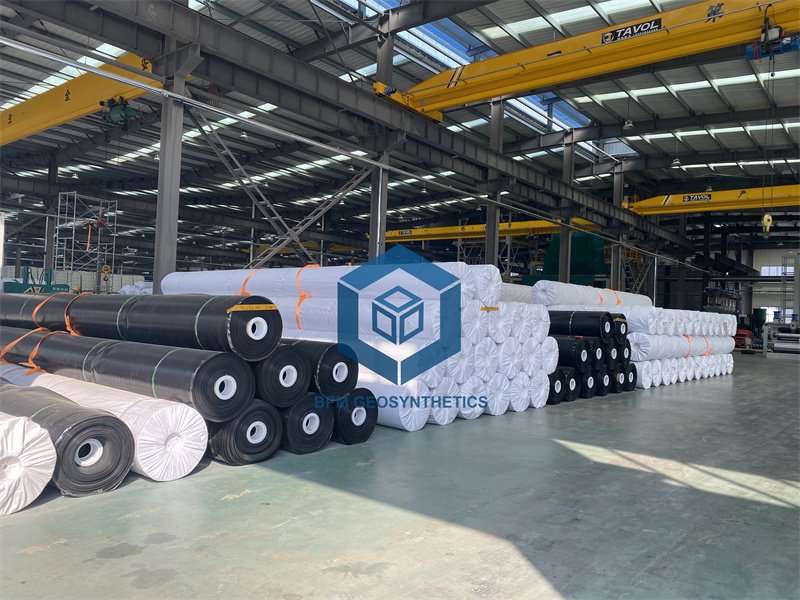
Selecting the correct liner for your pond or lake is one of the most critical decisions in any water containment project. The right liner ensures decades of reliable service, prevents costly leaks, and protects the surrounding environment. With various materials like EPDM, HDPE, and PVC available, making an informed choice requires understanding your project’s specific demands and the unique properties of each liner type. This comprehensive guide will walk you through the key factors, materials, and installation considerations to help you invest wisely in a solution that lasts.
Function of a Geomembrane Liner
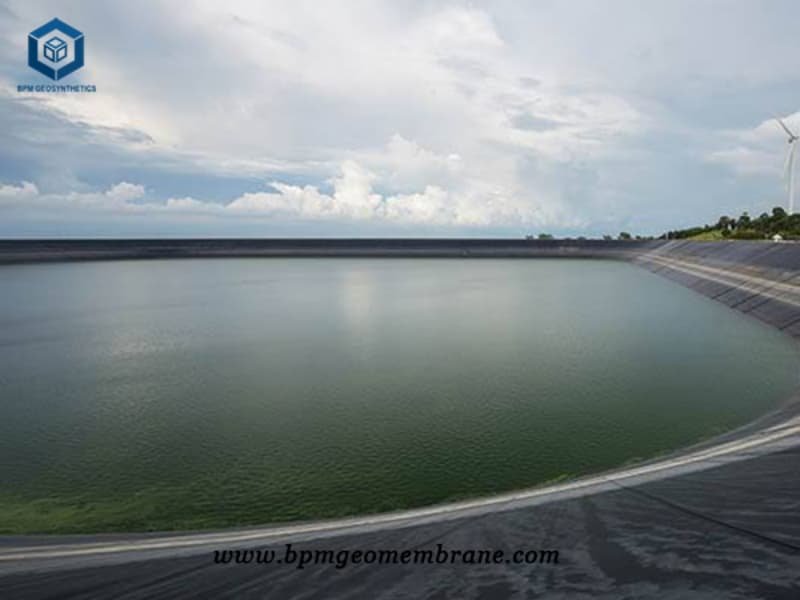
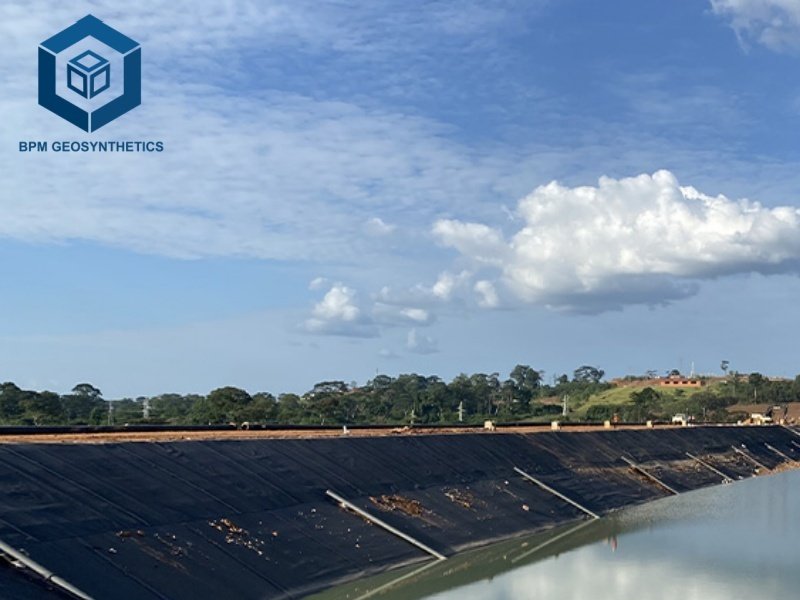
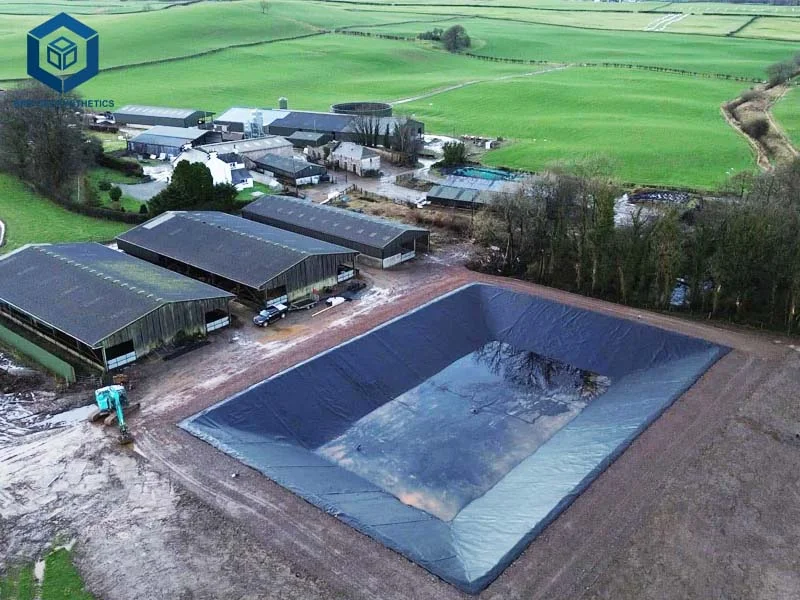
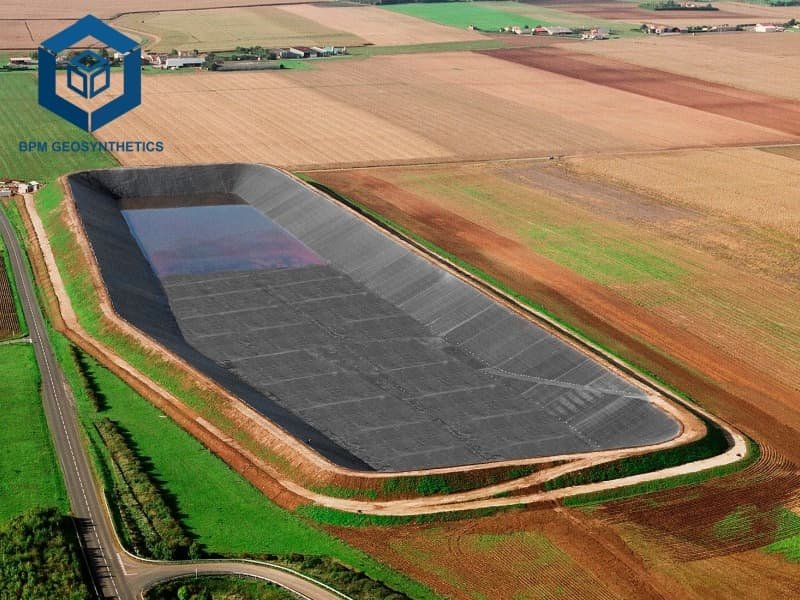
A geomembrane liner is an impermeable barrier designed to retain liquids and prevent seepage into the underlying soil. Beyond simply holding water, a high-quality liner safeguards groundwater from contamination, maintains consistent water levels for irrigation or recreation, and provides a stable, controlled environment for aquaculture. Whether for a small decorative garden pond, a large agricultural reservoir, or a municipal wastewater lagoon, the liner forms the essential, hidden foundation of the entire water body. Its failure can lead to water loss, environmental damage, and significant financial loss, making the initial selection process paramount.
A Deep Dive into Primary Liner Materials
The performance, lifespan, and cost of your project are directly tied to the material you choose. Here, we explore the three most common and reliable geomembrane materials.
1. EPDM (Ethylene Propylene Diene Monomer) Rubber Liners
EPDM is a synthetic rubber membrane renowned for its exceptional flexibility and durability. It is a preferred choice for a wide range of applications, from small garden ponds and lakes to agricultural water containment and covers.
Key Characteristics & Advantages:
- Superior Flexibility and Elasticity: EPDM can stretch significantly (with elongation at break often exceeding 300%) and conform seamlessly to complex shapes and uneven substrates without stressing the material. It retains this flexibility even in extreme cold, with some formulations remaining pliable at temperatures as low as -45°C.
- Robust Weather Resistance:It offers excellent resistance to UV radiation, ozone, and acid rain, ensuring the liner does not become brittle or degrade when exposed to sunlight and the elements over many years.
- Environmental Friendliness:EPDM is often considered a safe choice for fish ponds and wildlife habitats, as it is non-toxic and does not leach harmful chemicals into the water.
Ideal For: Decorative and koi ponds, irregularly shaped water features, fire protection water tanks, and projects where extreme temperature fluctuations are common.
1. HDPE (High-Density Polyethylene) Geomembranes
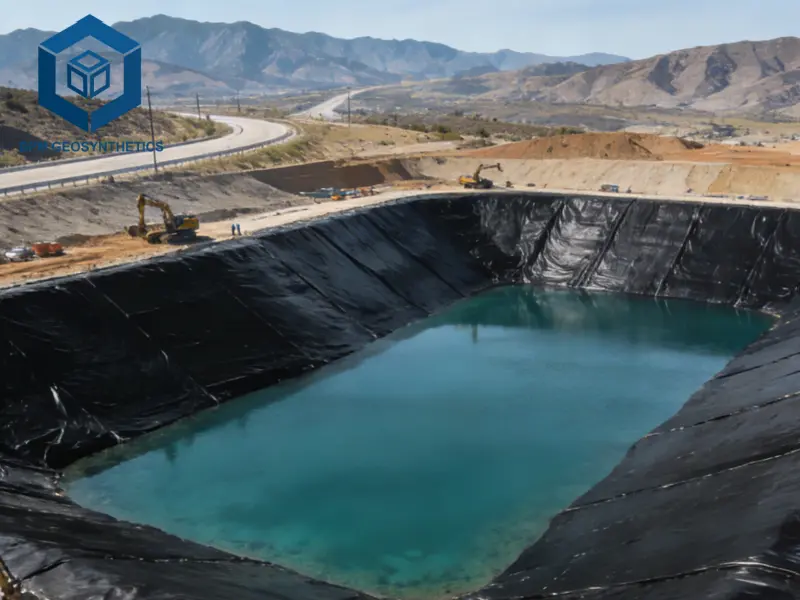
HDPE is a versatile plastic geomembrane known for its high tensile strength, strong chemical resistance, and excellent puncture resistance. It is often the material of choice for large-scale, demanding applications.
Key Characteristics & Advantages:
- High Strength and Puncture Resistance: HDPE liners have very high tensile and tear strength, making them highly resistant to punctures from rocks or roots. They can also withstand high hydrostatic pressure, which is crucial for deep reservoirs and landfill caps.
- Excellent Chemical Stability: This material provides outstanding resistance to a wide range of chemicals, aggressive soils, and wastewater, making it suitable for industrial, mining, and waste containment projects.
- Cost-Effectiveness for Large Areas:Available in very wide rolls (up to 8 meters or more), HDPE allows for fewer seams in large installations. Its material cost per square meter is often very competitive, especially for big projects.
Ideal For: Large irrigation reservoirs, aquaculture ponds (fish/shrimp farming), wastewater lagoons, landfill liners, and industrial containment areas
2. PVC and Other Flexible Liners
PVC is another type of flexible liner, often available in reinforced and non-reinforced forms. It is generally less expensive than EPDM rubber and is moderately resistant to punctures and UV light.
Key Characteristics & Considerations:
- Flexibility and Ease of Installation:Similar to EPDM, PVC is very flexible at installation, making it easy to handle and fit into various shapes.
- Material Considerations:Over time, some PVC liners can become less flexible, especially in cold climates, and may be more susceptible to damage from UV degradation if not properly formulated. It is crucial to select a high-quality, reinforced PVC liner designed for pond applications.
Ideal For: Temporary water features, smaller decorative ponds with smooth bases, and projects with a tighter initial budget where long-term extreme weather resistance is less critical.
3. How to Choose the Right Liner for Your Project
Selecting the best liner is a systematic process. Answering the following questions will guide you to the optimal material and specification.
- What is the Primary Purpose of the Water Body?
- Decorative/Garden Pond:Aesthetics, safety for plants and fish, and flexibility for creative shapes are key. EPDM is often the top recommendation.
- Aquaculture or Fish Farming:The liner must be non-toxic, durable, and able to withstand constant water pressure and potential abrasion. Both HDPE (for its strength and cost-effectiveness at scale) and EPDM are excellent choices.
- Agricultural Irrigation or Fire Protection Reservoir: Maximum water retention and long-term durability under constant fill are paramount. HDPE and EPDM are commonly specified.
- Industrial or Wastewater Containment: Chemical resistance is non-negotiable. HDPE is typically the standard material for these demanding environments.
- What are Your Site’s Specific Conditions?
- Subsoil: Rocky or rough subgrades demand a liner with high puncture resistance (like a thicker HDPE or a puncture-resistant underlay). Smooth, sandy subgrades are more forgiving.
- Climate:Projects in regions with freezing winters require a liner with certified low-temperature flexibility, such as EPDM. High UV exposure areas need liners with superior carbon-black-stabilized UV resistance.
- Water Chemistry: Is the water pure, or will it contain fertilizers, mild agricultural runoff, or treated wastewater? EPDM handles most natural waters well, while HDPE is needed for harsh chemicals.
- What is Your Budget and Project Lifespan?
Consider Total Cost of Ownership (TCO), not just the initial price. A slightly more expensive, high-quality liner that lasts 30+ years without leaks is far more economical than a cheaper liner that fails in 5-10 years, requiring expensive excavation and replacement.
4. The Critical Role of Professional Installation and Accessories
Even the world’s best liner can fail if installed incorrectly. Professional installation ensures longevity.
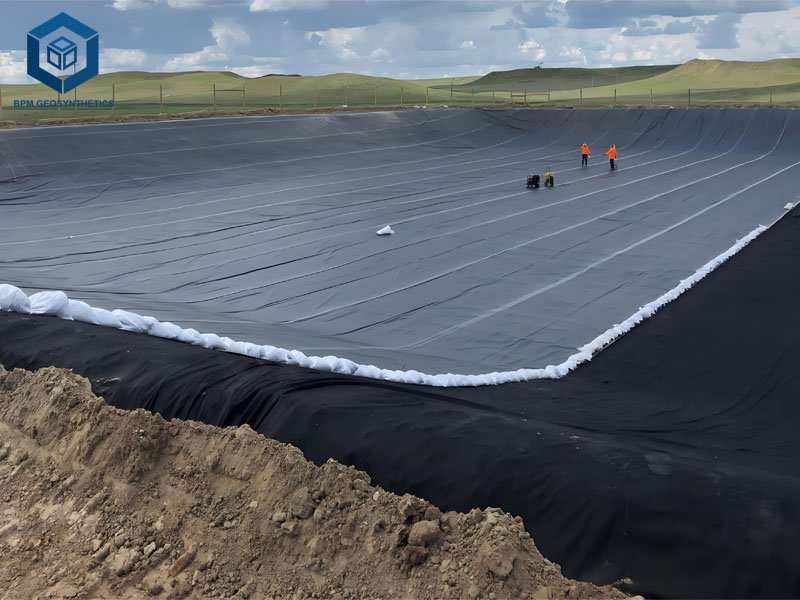
- Proper Seaming: Liners are joined by methods like specialized adhesive systems (for EPDM) or thermal welding (for HDPE). These seams must be perfect to create a continuous, watertight barrier.
- Protective Underlays and Overlays: Using a protective non-woven geotextile fabric beneath the liner cushions it from sharp objects. In some applications, like tanks, a full one-piece stitched geotextile protective matting bag can protect the liner from temperature extremes and physical damage during and after installation.
- Anchoring and Termination: Properly securing the liner edges in an anchor trench or using a termination bar system is vital to prevent slippage and wind uplift.