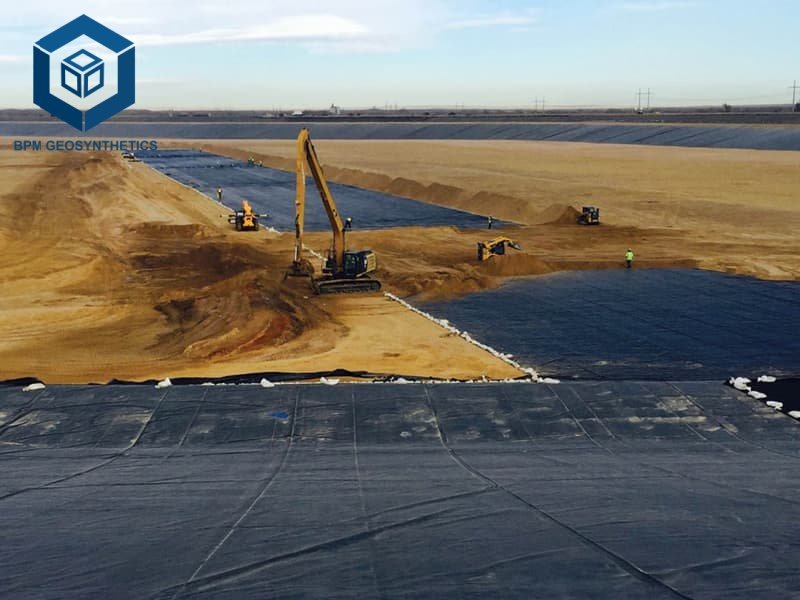
Understanding Textured Geomembranes

1. What is Textured Geomembrane?

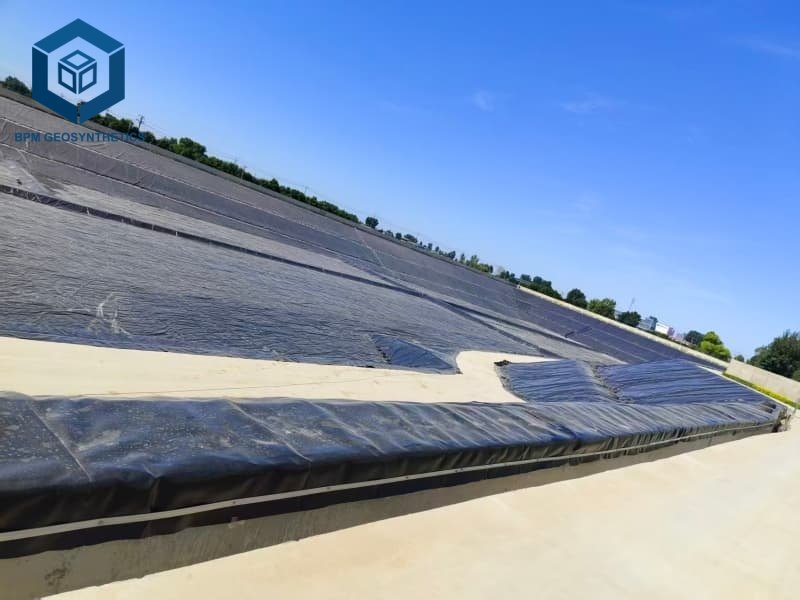
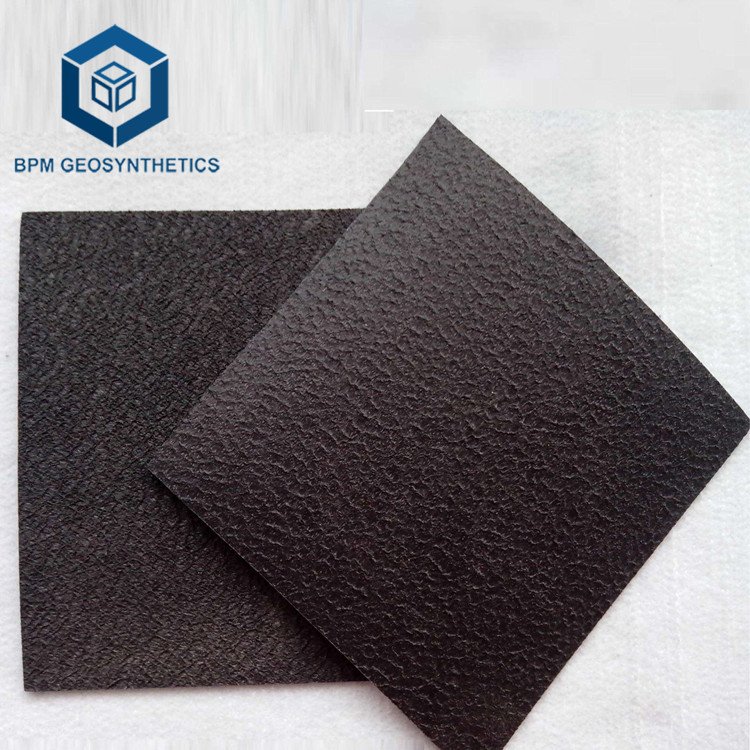
  Textured geomembrane is a special type of high-density polyethylene (HDPE) waterproofing material. Manufacturers treat its surface to create a rough, uneven pattern. This design increases friction, making the geomembrane more stable on slopes or under high stress.

2. Key Features of Textured Geomembrane

  Anti-slip performance: The rough surface improves grip with soil or liners, reducing sliding risks.
  UV resistance: HDPE material resists sunlight damage for long-term outdoor use.
  Chemical resistance: It withstands acids, alkalis, salts, and organic solvents.
  High tensile strength: The material handles ground settlement or external pressure without tearing.

3. Common Applications

  Engineers use textured geomembrane in projects needing strong stability and waterproofing:

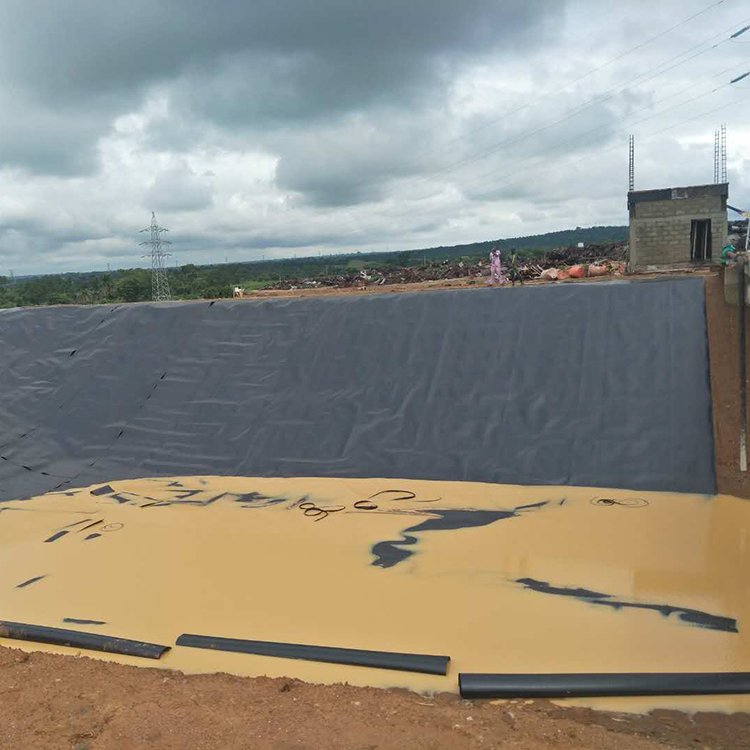
  Landfills: Blocks harmful liquids from polluting groundwater.
  Mining tailings ponds: Prevents heavy metal leakage.
  Artificial lakes/reservoirs: Ensures long-term waterproofing.
  Road/railway bases: Strengthens soil to avoid landslides.

4. Installation Steps

4.1 Base Preparation

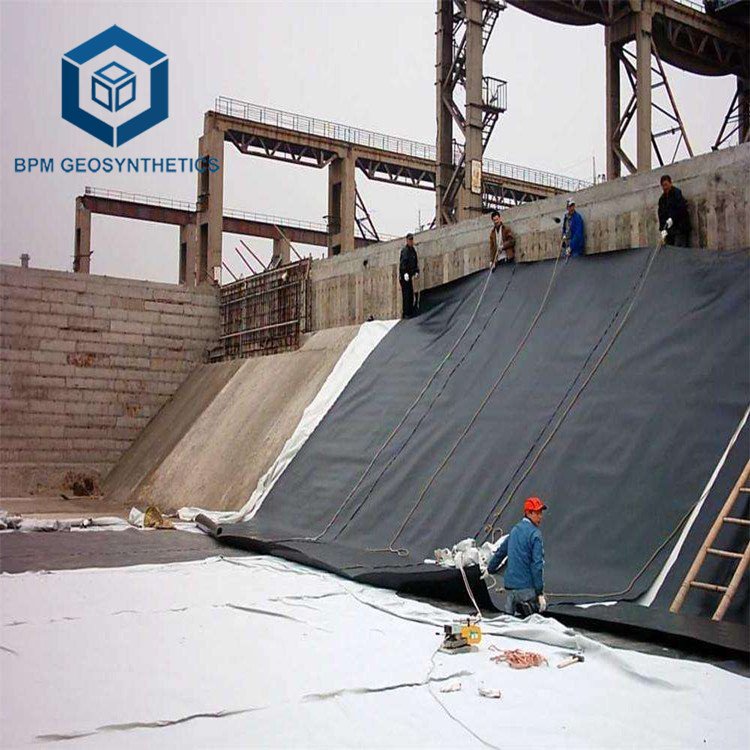
  Workers clear the site of sharp rocks and roots. They compact the soil to create a flat surface.

4.2 Laying the Geomembrane

  Workers unroll the geomembrane smoothly without wrinkles. They usually place the rough side down for better friction.

4.3 Seam Welding

  Workers use hot wedge welders or extrusion guns to join sheets. They check all seams for full bonding.

4.4 Quality Testing

  After installation, workers perform spark tests or air pressure checks to confirm no leaks exist.

5. Textured vs. Smooth Geomembrane

  Textured: Best for slopes, steep areas, or high-friction needs.
  Smooth: Cheaper for flat ground but offers less grip.

6. How to Choose the Right Product?

  Thickness: Standard options range from 1.0mm-2.5mm.
  Strength: Verify tensile and tear resistance meet project specs.
  Certifications: Ensure compliance with GRI-GM13 or ASTM standards.

7. Future Trends

  Stricter environmental laws will boost demand. New materials (like reinforced composites) may enhance performance further.

8. Conclusion

  Textured geomembrane is vital for waterproofing projects. Its anti-slip, chemical-resistant, and durable properties suit tough environments. Proper installation ensures long-term effectiveness with low maintenance.

Table of Contents

Recent Blogs

Get Instant Quote

When you’re looking for geomembrane or geosynthetics products or services, we are always here repond to your quote as soon as possible.