Introduction
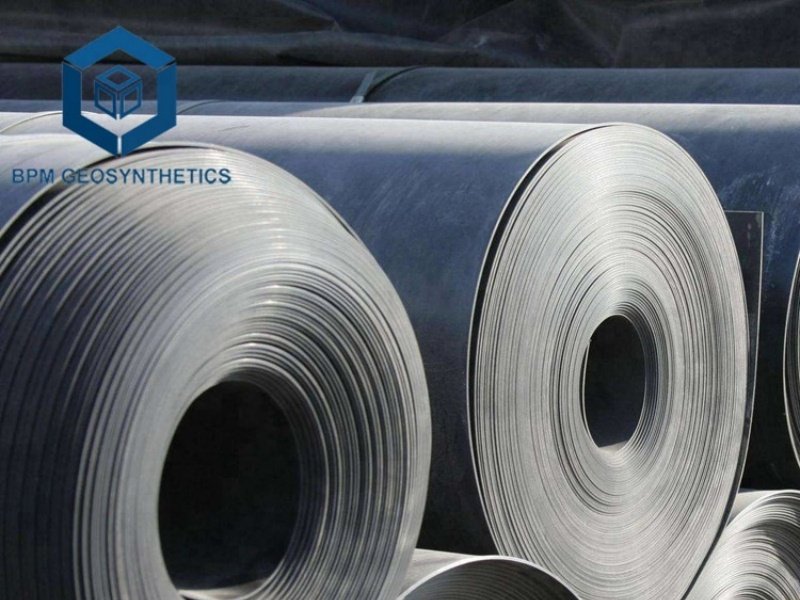
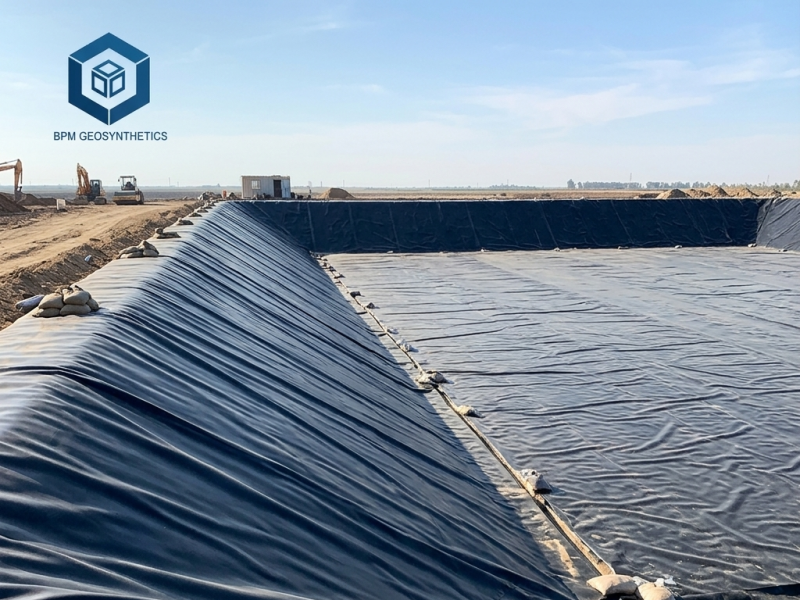
HDPE (High – Density Polyethylene) geomembrane sheets have become indispensable in a multitude of industries, including environmental protection, civil engineering, and agriculture. Their remarkable properties, such as impermeability, chemical resistance, and durability, make them the go – to choice for projects requiring effective containment of liquids and gases. However, the price of these sheets can vary widely, presenting a significant challenge for project planners and buyers. Understanding the top five factors that influence the HDPE geomembrane sheets price is crucial for making informed purchasing decisions and accurately estimating project budgets.

1. Raw Material Costs
1.1. Polyethylene Resin Pricing
Polyethylene resin serves as the fundamental raw material for HDPE geomembrane sheets, and its price is highly volatile, closely mirroring fluctuations in the oil and gas markets,and strongly influence the HDPE geomembrane sheet price. For example, when geopolitical tensions arise in major oil – producing regions like the Middle East, or when OPEC decides to implement production cuts, the price of crude oil surges. A 10% increase in global oil prices can lead to a 5 – 8% rise in the cost of polyethylene resin, which, in turn, causes a corresponding 5 – 8% surge in the cost of HDPE geomembrane sheets.
1.2. Virgin vs. Recycled Materials
Some manufacturers turn to recycled HDPE as a cost – cutting measure, as products made from recycled materials are typically 30 – 40% cheaper at first glance. But this cost – saving approach comes with significant trade – offs. Accelerated aging tests have shown that membranes with low – quality recycled content have a lifespan that is 50% shorter compared to those made from 100% virgin materials. In terms of mechanical properties, their tensile strength, as measured by standard testing methods, can be up to 35% lower. High – quality manufacturers like BPM Company prioritize using virgin HDPE resin and often seek third – party certifications, such as those from GSI, SGS, or Gail AB, to ensure the reliability and performance of their products, especially for large – scale, long – term projects like landfill liners.
1.3. Additives
To enhance the performance and longevity of HDPE geomembrane sheets, manufacturers incorporate various additives. UV stabilizers are crucial for protecting the sheets from the harmful effects of sunlight, especially for outdoor applications.

2. Manufacturing and Production Costs
2.1. Energy – Intensive Processing
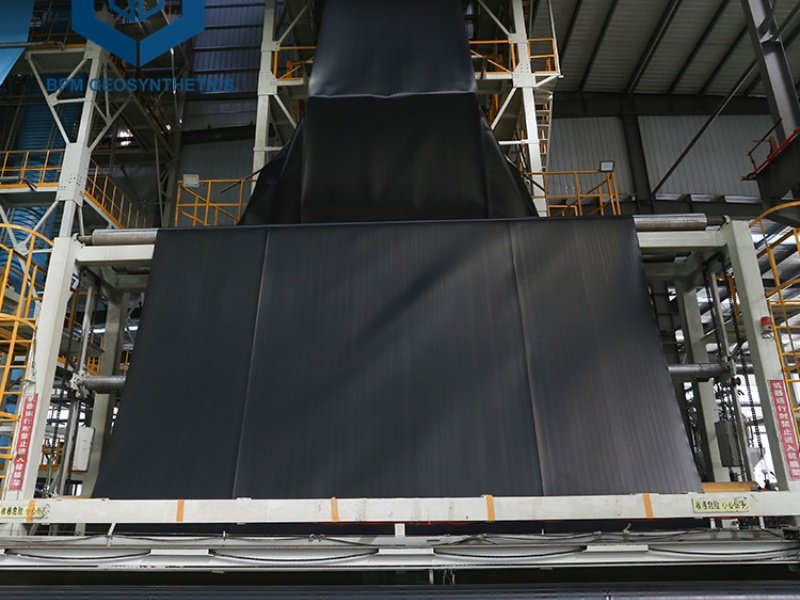
The production of HDPE geomembrane sheets is an energy – intensive process. Extrusion, a key step in shaping the polyethylene resin into sheets, consumes approximately 1.8 – 2.3 kWh of energy per kg of HDPE processed. Calendering and lamination processes further require maintaining high temperatures, typically in the range of 160 – 200 °C. Fluctuations in energy prices have a direct impact on production costs. In regions with high – cost electricity grids, such as certain parts of Europe, the manufacturing cost of HDPE geomembrane sheets is significantly higher. On the contrary, manufacturers that invest in energy – efficient technologies or are located near low – cost energy sources, like hydroelectric power plants, enjoy a cost advantage.
2.2. Labor and Technical Expertise
Skilled labor is essential for the production of high – quality HDPE geomembrane sheets. Labor costs vary greatly depending on the region. In North America, operators may earn between 25 – 38 per hour, while in Southeast Asia, the wage range is 4 – 8 per hour. Quality control, which is vital for ensuring that the sheets meet the required standards, accounts for about 12 – 15% of the total production costs. Manufacturers in regions with lower labor costs may be able to offer more competitive prices.
2.3. Production Technology Investments
Modern HDPE geomembrane sheet production demands substantial investment in advanced technologies. Multi – layer coextrusion lines, which enable the production of geomembranes with enhanced properties by combining different layers of materials, require a capital investment of around $3 – 5 million. Automated thickness control systems, essential for maintaining consistent product quality, add approximately 15 – 20% to the equipment costs. Although the use of specialized additives increases material costs by 8 – 12%, manufacturers that invest in these advanced technologies can achieve long – term cost savings through improved efficiency and reduced waste, which may be reflected in lower product prices or higher profit margins.
3. Market Supply and Demand
3.1. Seasonal and Cyclical Trends
Seasonal and cyclical factors also have a notable impact on the demand and price of HDPE geomembrane sheets. In the agriculture industry, for example, the installation of pond liners is more common during the pre – rainy season in regions where water storage is crucial for crop irrigation. This seasonal spike in demand can cause prices to fluctuate. On a larger scale, economic cycles play a role. During periods of economic growth, there is increased construction activity across various sectors, driving up the demand for HDPE geomembrane sheets. Conversely, during economic downturns, the demand contracts, leading to downward pressure on prices.
3.2. Supplier Competition
The level of competition among suppliers in the market significantly influences the price of HDPE geomembrane sheets. In a highly competitive market with numerous manufacturers vying for the same customers, suppliers are compelled to offer competitive prices, discounts, and favorable payment terms to attract buyers. In contrast, in a market with limited competition, perhaps due to high barriers to entry such as strict regulatory requirements or substantial capital investment needed for production, existing suppliers have more leeway in setting prices to maximize their profit margins.
4. Product Specifications and Quality
4.1. Thickness
HDPE geomembrane sheets are available in a range of thicknesses, typically from 0.2 mm to 3.0 mm or more. Thicker sheets generally come with a higher price tag. This is because they require more raw material per unit area and may involve more complex manufacturing processes. For instance, a 2.0 mm thick sheet uses twice as much polyethylene resin as a 1.0 mm thick sheet of the same size. Thicker sheets are often preferred for applications that demand higher resistance to punctures, tears, and hydrostatic pressure, such as in deep – buried landfill liners, and the cost difference between different thicknesses can range from a few cents to several dollars per square meter.
4.2. Strength and Performance Requirements
Higher strength and performance requirements, especially for applications in harsh environments like mining sites, where the sheets may be exposed to abrasive materials and chemicals, result in higher prices. Manufacturers need to use superior – quality raw materials, employ more precise manufacturing processes, and conduct additional quality control tests to meet these stringent requirements. A geomembrane designed for a mining application with enhanced tensile strength and chemical resistance will have a significantly higher production cost compared to a standard – grade product, which is then reflected in its market price.
4.3. Certifications and Standards
HDPE geomembrane sheets that meet specific industry standards or certifications, such as those from ASTM (American Society for Testing and Materials) or ISO (International Organization for Standardization), typically command higher prices. Obtaining these certifications requires manufacturers to invest in advanced testing equipment, establish dedicated laboratory facilities, and train specialized personnel. These certifications provide assurance to end – users about the quality and reliability of the product, justifying the higher price. For example, a geomembrane that meets the ASTM GRI – GM13 standard for landfill liners may be priced 10 – 20% higher than a non – certified product of similar appearance.
5. Transportation and Logistics
5.1. Distance and Location
The geographical distance between the manufacturer and the project site has a significant impact on the price of HDPE geomembrane sheets. Long – distance transportation incurs substantial freight costs. Shipping large rolls of geomembrane sheets over long distances, especially to remote areas or different countries, can add a significant amount to the overall cost. Additionally, the location of the manufacturing facility itself matters. Manufacturers situated in regions with well – developed transportation infrastructure and lower transportation costs have a competitive edge, as they can offer more reasonable shipping rates to customers.
5.2. Packaging and Handling
Proper packaging and handling are essential to ensure that HDPE geomembrane sheets arrive at the project site in good condition. The cost of packaging materials, such as heavy – duty plastic wraps and sturdy pallets, is factored into the overall price. Handling the sheets, both at the manufacturing facility and during transit, requires specialized labor and equipment. Large – format or fragile sheets may need extra – careful handling, which increases the handling costs. These packaging and handling expenses, although often a smaller component of the total cost, can still contribute to price differences among different suppliers and for various orders.
Conclusion
HDPE geomembrane sheets price is determined by a complex interplay of multiple factors, including raw material costs, manufacturing and production expenses, market supply and demand dynamics, product specifications and quality, as well as transportation and logistics. Project planners and buyers must thoroughly evaluate each of these factors to make well – informed decisions that balance cost – effectiveness with quality and performance requirements. By understanding these influences, stakeholders can navigate the market more effectively, secure the best value for their investments, and ensure the successful execution of their projects.