What is Dam Liner?
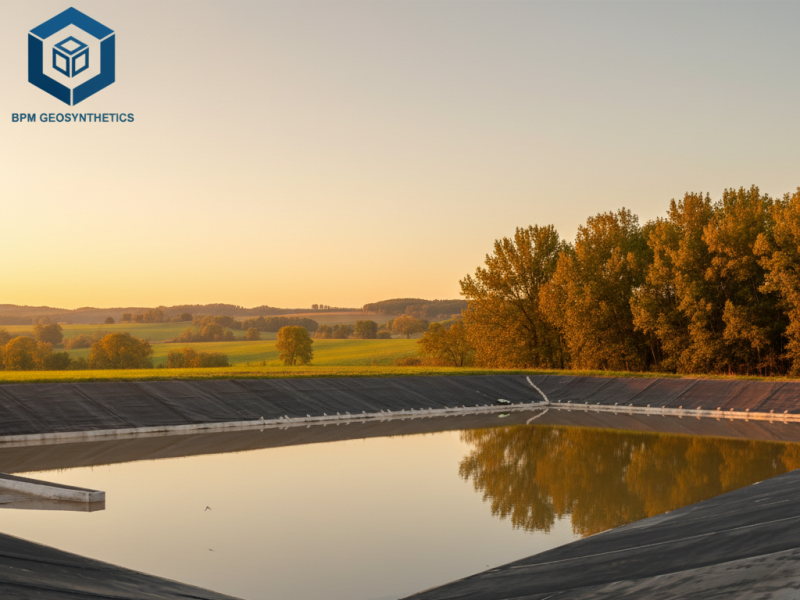
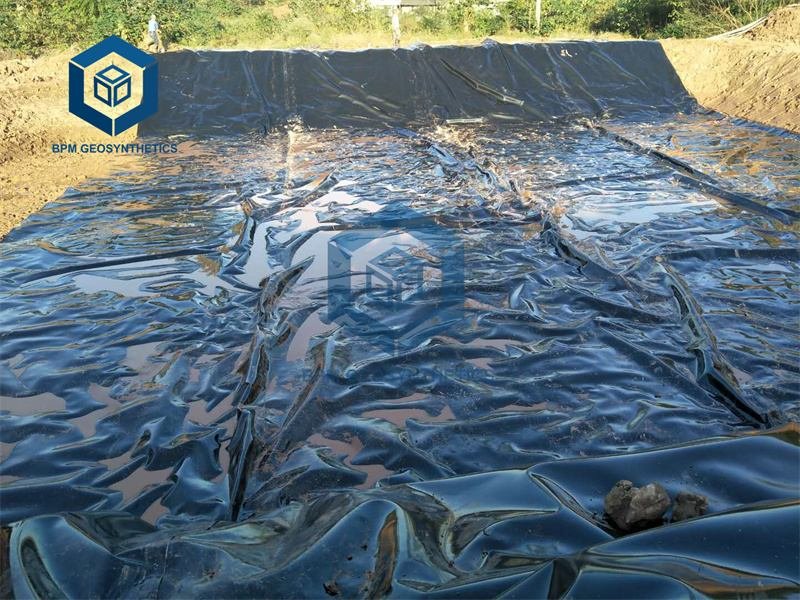
Dam liner, also known as a geomembrane liner, is a waterproof barrier used to line reservoirs, ponds, dams, canals, and other water containment structures. Its primary purpose is to prevent water seepage and leakage, thereby maintaining water levels and preventing the loss of water into the surrounding soil.
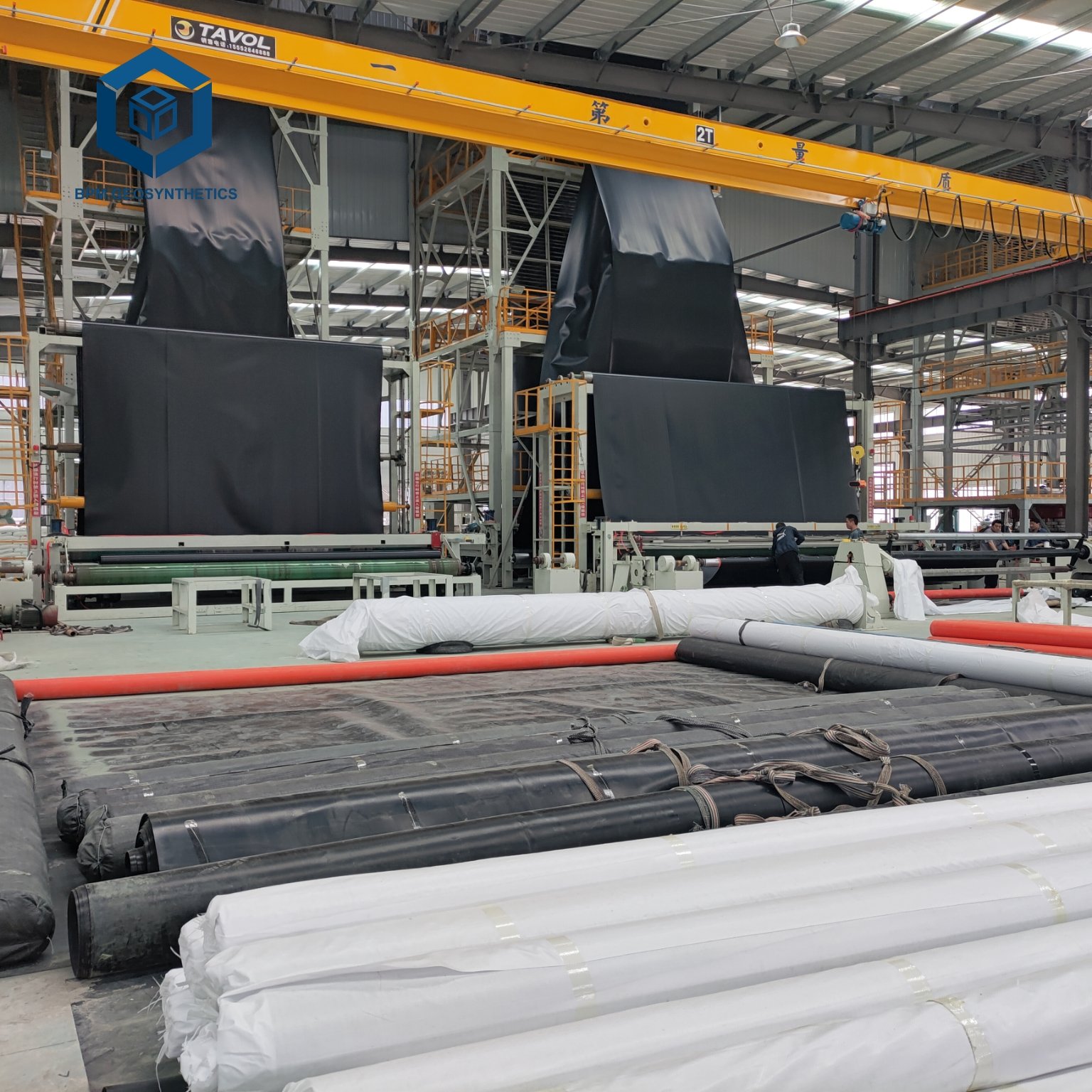
Dam liners are typically made of synthetic materials such as PVC (Polyvinyl Chloride), HDPE (High-Density Polyethylene), LLDPE (Linear Low-Density Polyethylene), EPDM (Ethylene Propylene Diene Monomer), or other geomembrane materials. These materials are chosen for their impermeability and durability.
2.Key functions and benefits of dam liners include:
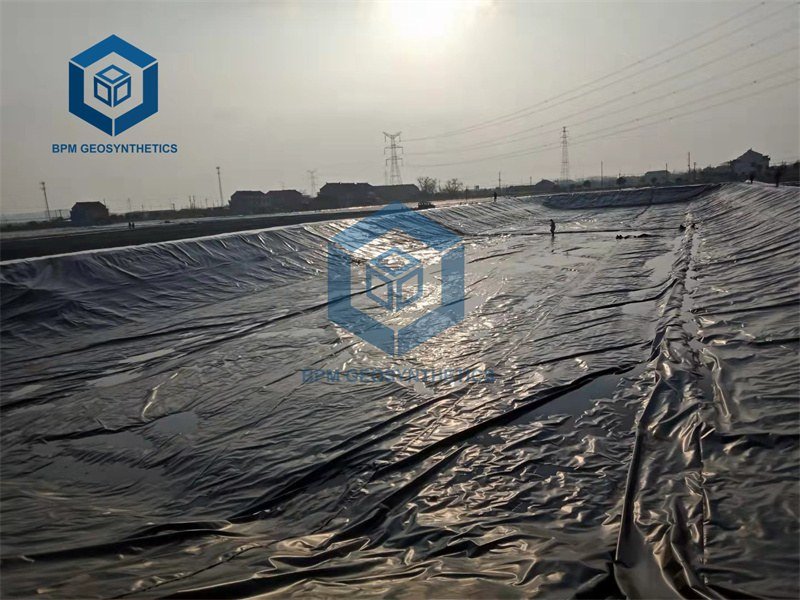
Waterproofing: Dam liners prevent water from seeping into the soil, maintaining water levels in reservoirs and dams.
Erosion Control: By preventing water seepage, dam liners help control erosion, ensuring the stability of the structure.
Water Conservation: They help conserve water by reducing losses due to seepage and evaporation.
Environmental Protection: Dam liners can prevent contamination of soil and groundwater by hazardous materials in the water.
Longevity: High-quality dam liners can provide long-term protection, reducing maintenance and repair costs over time.
Dam liners are available in various thicknesses, sizes, and materials to suit different project requirements. Proper installation and maintenance of dam liners are essential to ensure their effectiveness in water containment applications.
3.Factors influencing the price of dam liner
3.1.Material: Dam liners can be made from various materials such as PVC, EPDM, HDPE, or LLDPE. Each material has different properties and price points.
3.2.Size: The size of the dam liner needed will significantly impact the price. Larger liners will cost more than smaller ones.
3.3.Thickness: The thickness of the liner is crucial for durability and longevity. Thicker liners are more expensive but offer better protection.
3.4.Brand: Different brands offer dam liners at various price points. Some well-known brands might be more expensive than lesser-known ones.
3.5.Installation Costs: Consider the cost of installation if you are not planning to install the dam liner yourself.
3.6.Additional Features: Some dam liners come with special features like UV resistance, puncture resistance, or warranty coverage, which can affect the price.
To get the most accurate pricing information, it is recommended to reach out to dam liner suppliers or manufacturers directly. They can provide you with quotes based on your specific requirements.
4.What types of geomembranes are best for dam liners?
When selecting a geomembrane for a dam liner, it’s important to consider the specific requirements of the project, including factors like durability, flexibility, chemical resistance, and installation method. Here are some common types of geomembranes used for dam liners:
HDPE (High-Density Polyethylene):
Advantages: HDPE geomembranes are known for their high tensile strength, chemical resistance, and durability. They are flexible and can conform to irregular surfaces.
Best for: HDPE liners are suitable for dams where chemical resistance and long-term durability are crucial.
LLDPE (Linear Low-Density Polyethylene):
Advantages: LLDPE geomembranes are flexible, puncture-resistant, and have good UV resistance. They are also cost-effective compared to some other materials.
Best for: LLDPE liners are suitable for dams where flexibility and resistance to punctures are important.
EPDM (Ethylene Propylene Diene Monomer):
Advantages: EPDM geomembranes are known for their high flexibility, UV resistance, and longevity. They are also environmentally friendly.
Best for: EPDM liners are suitable for dams where flexibility and resistance to UV degradation are key considerations.
PVC (Polyvinyl Chloride):
Advantages: PVC geomembranes are flexible, weldable, and have good chemical resistance. They are also available in different thicknesses.
Best for: PVC liners are suitable for dams where chemical resistance and ease of installation are important.
CSPE (Chlorosulfonated Polyethylene):
Advantages: CSPE geomembranes offer excellent resistance to ozone, UV radiation, and chemicals. They are also known for their durability.
Best for: CSPE liners are suitable for dams where resistance to harsh environmental conditions is a priority.
The best type of geomembrane for a dam liner will depend on the specific requirements of the project, including factors like site conditions, budget, expected lifespan, and environmental considerations. Consulting with a geotechnical engineer or a supplier specializing in geomembranes can help you choose the most suitable option for your dam lining project.
5.What are the typical costs associated with dam liner installation?
The costs associated with dam liner installation can vary depending on several factors, including the size of the project, the type of dam liner material used, site preparation requirements, labor costs, and additional features such as geotextile underlayment or protective layers. Here are some typical costs associated with dam liner installation:
5.1.Material Costs: The cost of the dam liner material itself can vary based on the type of geomembrane chosen (e.g., PVC, HDPE, EPDM) and its thickness. Thicker and more durable liners typically cost more.
5.2.Site Preparation: Site preparation costs can include clearing vegetation, grading the land, and ensuring a smooth and stable base for the dam liner. These costs can vary depending on the site conditions and the extent of preparation required.
5.3.Labor Costs: Labor costs for installation can vary depending on the size of the project, the complexity of the installation process, and the experience of the installation crew.
5.4.Equipment Costs: Equipment such as welding machines, rollers, and other tools needed for installation can contribute to the overall cost.
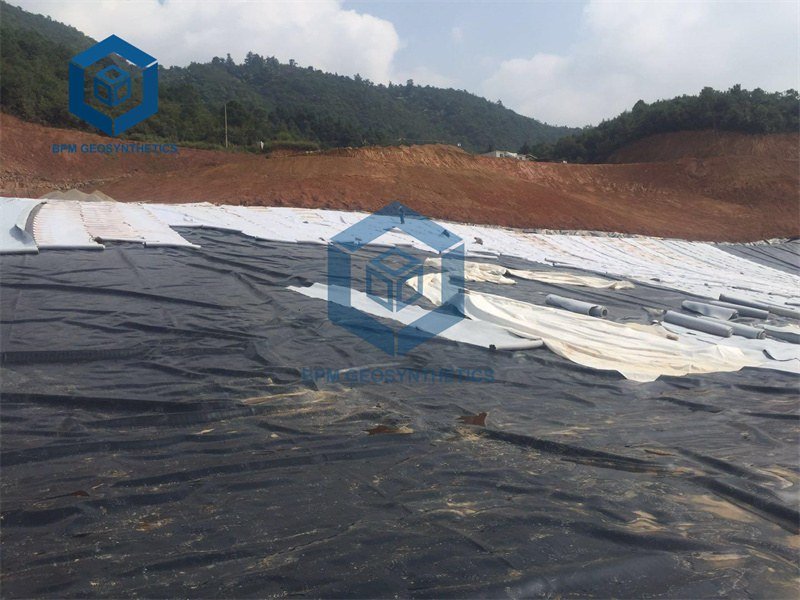
5.5.Geotextile Underlayment: Geotextile underlayment is often used to protect the dam liner from punctures and abrasions. The cost of geotextile materials should be factored into the overall installation costs.
5.6.Transportation Costs: Costs associated with transporting the dam liner materials and equipment to the site can also contribute to the total installation cost.
5.7.Additional Features: If additional features such as UV protection, chemical resistance, or warranties are desired, they may increase the overall cost of the dam liner.
It’s essential to obtain quotes from multiple suppliers and installation contractors to get a better idea of the total cost of dam liner installation for your specific project. Proper planning and budgeting are crucial to ensure a successful and cost-effective installation process.
6. Conclusion
Dam Liner Price are a cost-effective, durable, and versatile solution for containment applications, with prices ranging from $0.20–$5.00/sq.ft. ($2.15–$53.82/m²) based on thickness, texture, and project scale. Their strength, chemical resistance, and 20–60-year lifespan make them ideal for landfills, mining, and water management projects. By understanding cost factors, specifications, and installation requirements, stakeholders can optimize budgets and ensure project success. For tailored solutions, contact suppliers like BPM Geosynthetics (BPM Geomembrane) or Agru America for quotes and technical support.