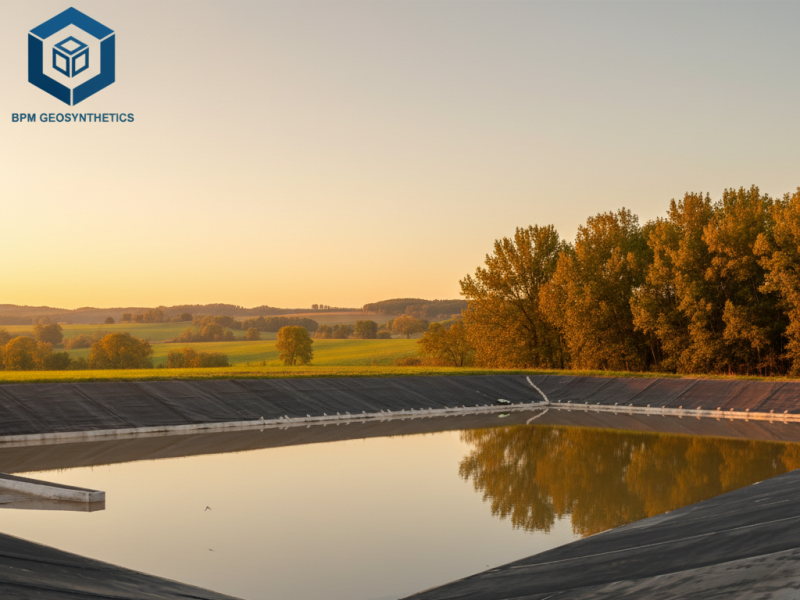
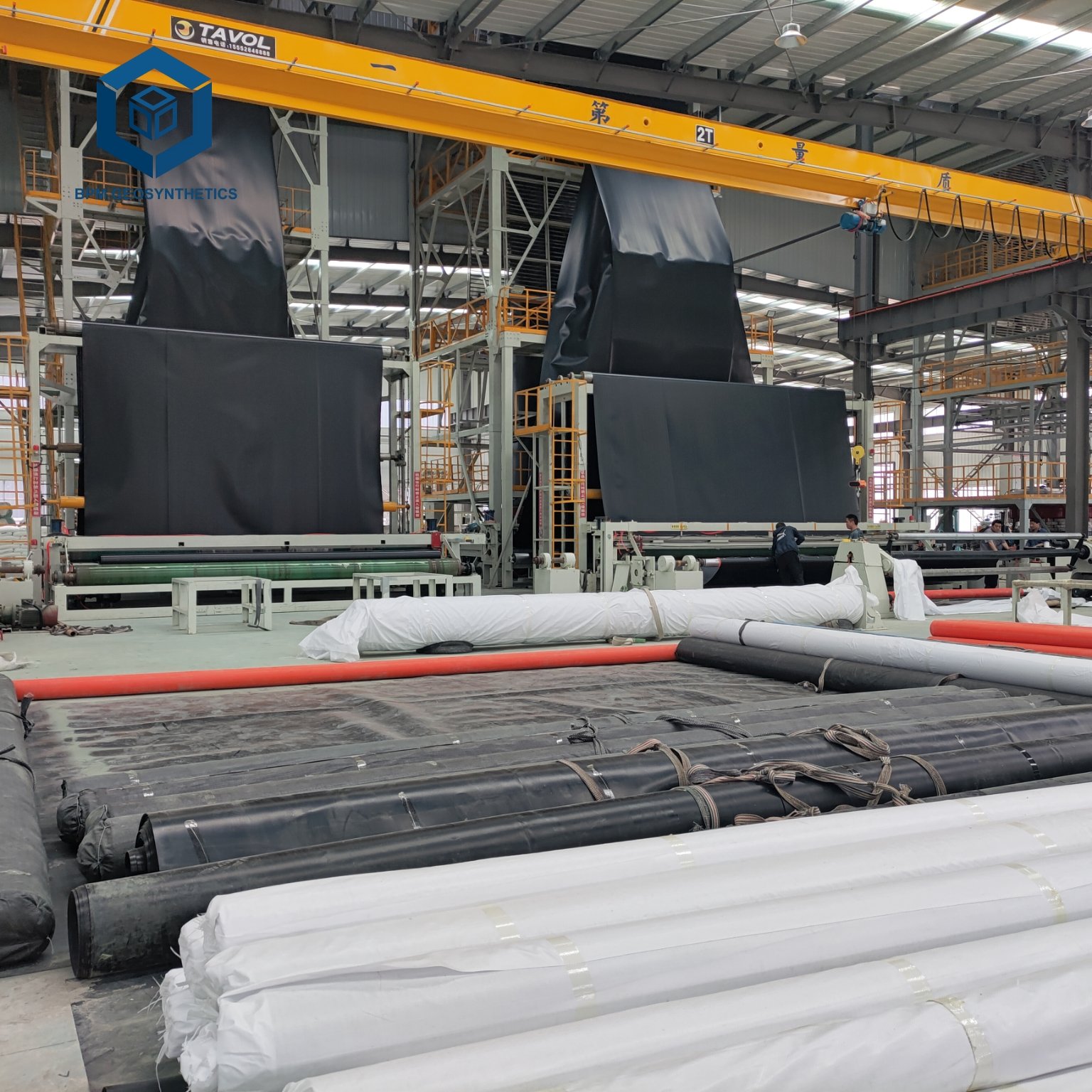
Pond liner geomembrane are synthetic membranes used in water containment application , like lining ponds , landfills etc , they are usually made from material like HDPE , LLDPE , LDPE , for fish farm ,the main purpose would be to create a barrier to hold water and protect the environment . A fish farm in Southeast Asia faces many challenges in its operation, The traditional earthen ponds had issues with water seepage , fluctuating water quality , and high maintenance costs , the farm owners were struggling to maintain a stable and productive environment for their fish , they found the solutions is use waterproofing geomembrane for fish farm pond . It effectively addressed challenges such as water loss, fluctuating water quality, and high maintenance costs, resulting in increased productivity and cost savings. This case study demonstrates the many advantages of using a BPM Geomembrane in a fish farm, making it a viable option for fish farmers seeking to optimize their operations.
1. What is Pond Liner Geomembrane?
A geomembrane is a type of geosynthetic that’s highly impermeable, meaning that it traps water so it can’t seep out. These products are flexible, adaptable, chemically resistant, and easy to install in ponds of any size. Find out precisely why geomembranes work so well as liners in nearly any aquaculture project. Pond liner geomembrane are designed to create a watertight seal , preventing water or fluids from leaking into the soil or groundwater, they can conform to irregular ponds shapes and withstand ground movement without cracking , making them suitable for diverse terrains , resistance to punctures and UV , availble in verying thickness from 0.5mm to 3.0 thickness . if fish tank under 50L will use 0.3-0.5mm, if from 50-200L use 0.5-0.8mm thickness , if greater than 200L use 1.0mm thickness geomembrane .

2. What are Advantages of Pond Liner Geomembrane for Fish Farm?
2.1 Pond Liner Geomembrane – Superior Water Retention and Leak Prevention
Pond liner geomembranes create a watertight seal that completely blocks seepage into the soil. By forming this impermeable barrier, they effectively maintain stable water volumes in the pond. Consistent water levels prove essential for supporting healthy fish development and growth. Additionally, this water retention significantly cuts down on the labor and costs of constant refilling. Ultimately, these liners optimize both biological conditions and farm productivity through reliable water containment.
2.2 Pond Liner Geomembrane – Enhanced Water Quality Control
Geomembranes create a complete separation between pond water and the surrounding soil, effectively blocking direct contact. This isolation stops harmful contaminants, minerals, and pollutants from leaching into the water. As a result, the system maintains balanced pH levels critical for aquatic life. Simultaneously, it minimizes the danger of toxic substance accumulation in the water. These combined benefits significantly improve water quality while protecting fish from hazardous environmental factors.
2.3 Pond Liner Geomembrane – Reduced Maintenance Efforts
The smooth, non-porous surface of geomembrane liners physically blocks nutrient transfer between soil and water. By creating this barrier, they effectively starve weeds and algae of their food source, suppressing unwanted growth. Consequently, ponds stay cleaner with far less organic buildup on surfaces. This advantage translates to easier manual cleaning and fewer required chemical treatments. Over time, these combined benefits substantially decrease maintenance efforts and operational expenses.
2.4 Pond Liner Geomembrane – Durability and Environmental Resistance
Manufacturers craft geomembranes from durable materials such as HDPE, PVC, and EPDM, which provide exceptional resistance to punctures and tears. These robust materials also withstand prolonged UV exposure without breaking down, maintaining their structural integrity. Additionally, they perform reliably across extreme temperature ranges, from freezing winters to scorching summers. Such resilience allows geomembranes to outlast traditional lining materials by years. As a result, operators benefit from fewer replacements and substantial long-term cost reductions.
2.5 Pond Liner Geomembrane – Ease of Installation and Design Flexibility
Geomembranes offer lightweight flexibility, allowing them to conform easily to ponds of different shapes and sizes for optimized space utilization. Their customizable nature further enhances adaptability, enabling tailored solutions for diverse aquaculture setups. Compared to traditional clay liners, they install much faster with significantly less labor, dramatically reducing project timelines and costs.
2.6 Environmental Protection and Regulatory Compliance
Liners prevent wastewater (containing fish waste, feed, or chemicals) from contaminating groundwater. This safeguards ecosystems and helps meet environmental regulations, promoting sustainable practices.
2.7 Disease and Parasite Risk Reduction
By isolating fish from natural soil, geomembranes effectively limit their contact with harmful microorganisms. Additionally, this isolation significantly reduces exposure to soil-borne pathogens and parasites. As a result, fish health improves and mortality rates drop.
2.8 Cost-Effectiveness Over Time
Though initial geomembrane costs may be higher, they ultimately lead to significant savings over time. First, they reduce water loss through seepage, cutting operational expenses. Additionally, their durable design lowers maintenance needs and extends system lifespan, proving their economic viability in the long run.
2.9 Material-Specific Benefits
- HDPE: High chemical resistance, ideal for treated water.
- LDPE : Flexibility and temperature tolerance, suitable for varying climates.
- LLDPE : Softness and ease of repair, beneficial for complex layouts.
2.10 Erosion Control and Structural Stability
Liners effectively stabilize pond edges, preventing soil erosion from water movement. Moreover, their reinforced edges strengthen structural integrity, resisting wear over time. Ultimately, this design enhances durability against environmental stressors like waves and weather.
2.11 Temperature Regulation
Some geomembrane materials actively reflect sunlight, reducing unwanted heat absorption in aquaculture ponds. Meanwhile, insulating varieties help retain warmth in cooler conditions, regulating thermal fluctuations. Together, these properties maintain stable water temperatures, ensuring optimal conditions for temperature-sensitive fish species.
2.12 Efficient Harvesting and Waste Management
The smooth surface of geomembranes allows fish to glide effortlessly during harvest, making collection significantly easier. At the same time, this slick surface enables waste to slide quickly toward drainage points, simplifying cleaning processes. As a result, farm operations become more efficient, directly boosting overall productivity.
2.13 Containment of Saline or Brackish Water
Geomembranes create a reliable barrier that effectively separates saline and freshwater systems. This physical division prevents cross-contamination, which is particularly crucial for farms cultivating multiple species. Furthermore, it provides essential protection for operations in environmentally sensitive areas where water purity must be maintained.
3. How Does Pond Liner Geomembrane Work in Aquaculture?
After thorough evaluation, the fish farm selected high-density polyethylene (HDPE) geomembrane liners for their ponds due to their superior durability and contamination control. These liners function as a seamless, impermeable barrier, fully isolating the water from the underlying soil.
3.1 Installation Process:
Site Preparation – The ponds were completely drained, and the base and slopes were cleared of sharp rocks, roots, and debris. The soil was then graded and compacted to create a smooth, stable surface, preventing future punctures or uneven stress on the liner.
Liner Deployment – Pre-fabricated HDPE sheets were unrolled and positioned to cover the entire pond, including the bottom and side slopes. Extra material was left at the edges to allow for secure anchoring and thermal welding.
Seam Welding & Quality Assurance – Specialized heat-welding equipment fused the overlapping seams, creating a permanent, leak-proof bond. To guarantee integrity, all seams underwent rigorous air-pressure testing, ensuring no weak points or gaps remained.
Anchoring & Finalization – The liner edges were securely anchored in perimeter trenches or weighted down with ballast (such as rocks or sandbags) to prevent displacement. Once installed, the geomembrane formed a fully enclosed system, effectively containing water while blocking soil-borne pathogens, pollutants, and harmful minerals.
3.2 Benefits for Aquaculture:
Water Retention & Stability – Prevents seepage, maintaining consistent water levels and reducing refill needs.
Contaminant Protection – Shields fish and shrimp from soil-based toxins, parasites, and disease-causing microorganisms.
Long-Term Durability – Resists punctures, UV rays, and extreme temperatures, ensuring years of reliable service with minimal maintenance.
By implementing HDPE liners, the farm optimized water quality, enhanced biosecurity, and improved overall productivity in both freshwater and marine aquaculture systems.
4. Summary
After installing the geomembrane liners, water loss due to seepage was almost eliminated. The farm estimated a reduction in water replenishment requirements by over 80%. This not only saved on water costs but also allowed for better control of water levels, creating a more stable environment for the fish. Pond liner geomembranes offer a comprehensive solution for fish farms, combining water conservation, environmental protection, and operational efficiency. Their adaptability, durability, and protective benefits make them a strategic choice for sustainable and profitable aquaculture.
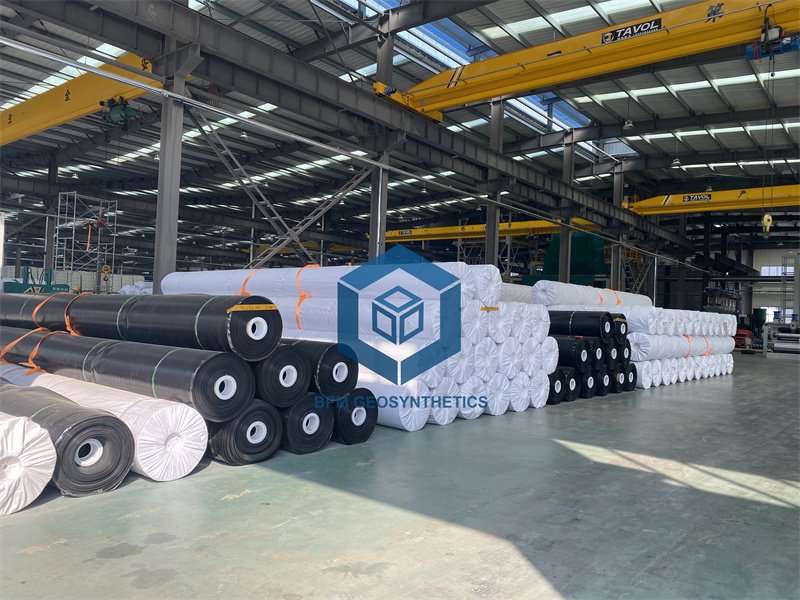
As for pond Liner geomembrane manufacturer of BPM already developing more than 20years , BPM always been committed to the productions , research and development , sales and service of geotechnical materials . with high quality products and professional sales and after sales teams .BPM 60mil HDPE Liners has passed the ISO9001 quality management system , ISO14001 environmental management system , ISO45001 occupational health system certification , and passed Soncap , SAAO and BV certification and SGS and intertek tests , BPM 60mil HDPE Liners have reached the world leading level . can widely used in aquaculture soil erosion resistance .drainage systems , mining etc . BPM are willing to become your partners with high cost performance , innovative geomembrane and geosythetic products , excellent quality and perfect after sale service ,
join BPM , win our future .