Gold mining is a complex and resource-intensive industry that requires efficient and environmentally responsible solutions to manage waste, prevent contamination, and optimize recovery processes. One of the most critical components in modern gold mining operations is the geomembrane—a high-performance synthetic liner used for containment, seepage control, and environmental protection.This article will explore the role of geomembranes in gold mining, including:Why geomembranes are suitable for gold mining.The benefits of geomembranes for gold mining operations.Key characteristics of geomembranes in gold mining projects.
1.What is Geomembrane
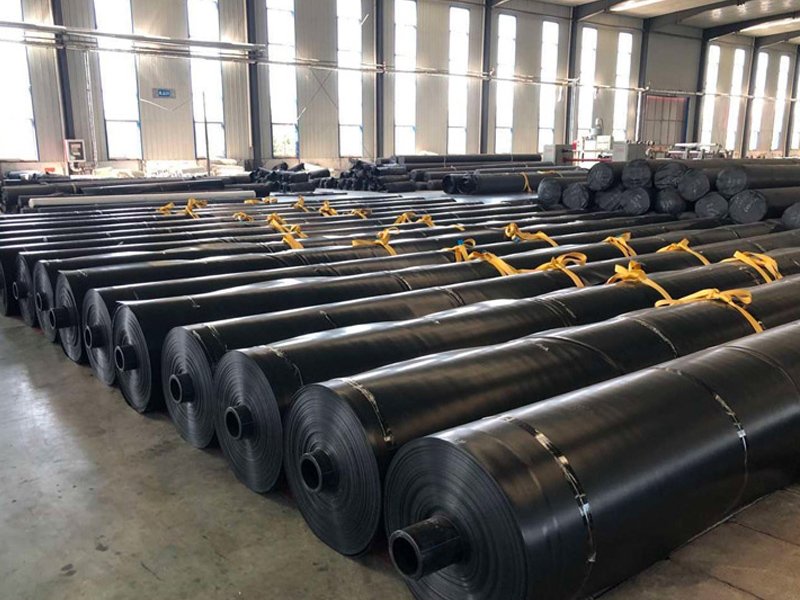
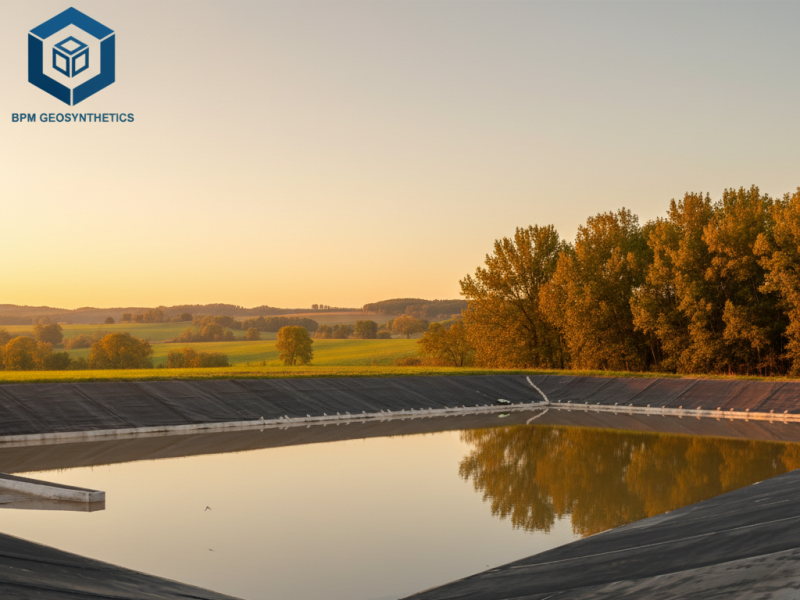
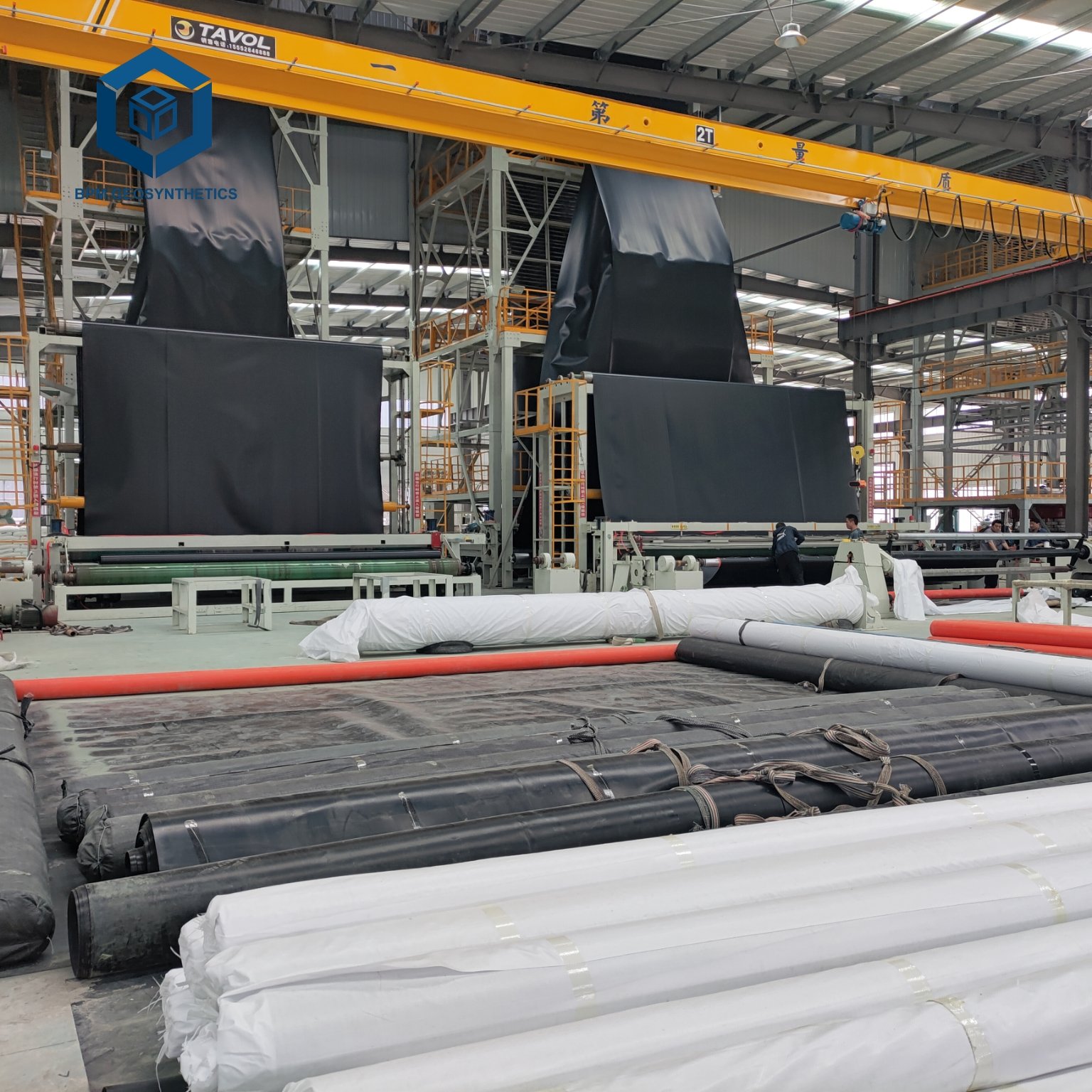
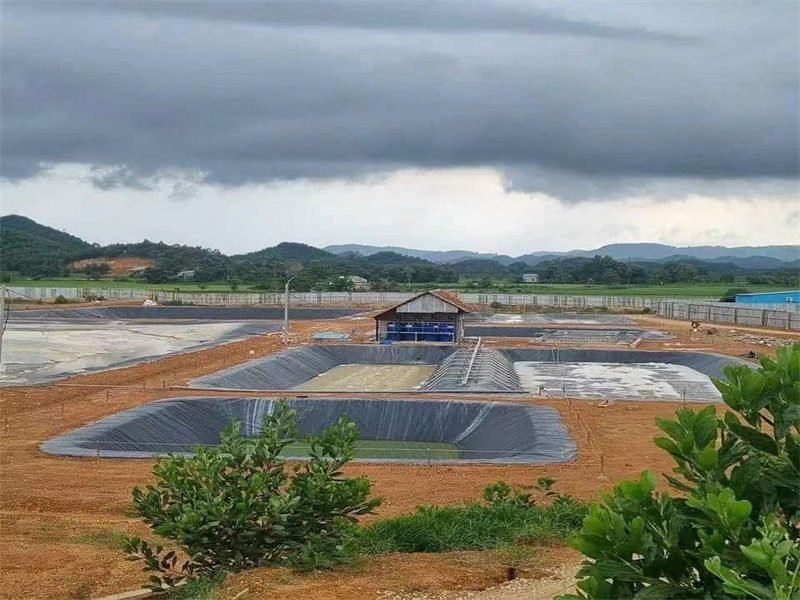
Geomembrane liners are synthetic barriers made from materials such as polyvinyl chloride (PVC) or reinforced polypropylene (RPP). These liners stop leaks and prevent hazardous materials from escaping into the environment. Their flexibility and strength allow them to withstand the harsh conditions of mining. These materials are commonly used in applications such as tailings ponds, evaporation ponds, and leach pads.
For example, in gold mining, geomembrane-lined leach pads can retain the chemicals that extract the precious metal without harming the surrounding environment. Their reliability has made them a standard feature of mining equipment.
2. Why are Geomembranes Suitable for Gold Mining?
Gold mining involves several processes that generate liquid and solid waste, including:
Heap leaching (using cyanide or acid solutions to extract gold)
Tailings storage (managing leftover ore slurry)
Process water containment (preventing contamination of groundwater)
Geomembranes provide an impermeable barrier that prevents hazardous chemicals from seeping into the soil and water. Here’s why they are ideal for gold mining:
2.1. Chemical Resistance
Gold mining often involves cyanide, sulfuric acid, and other aggressive chemicals. High-quality geomembranes, especially those made from HDPE (High-Density Polyethylene) or LLDPE (Linear Low-Density Polyethylene), are highly resistant to corrosion and chemical degradation.
2.2. Durability & Longevity
Mining environments are harsh, with exposure to UV radiation, extreme temperatures, and mechanical stress. Geomembranes are designed to
Withstand punctures from sharp rocks
Resist UV degradation for decades
Maintain flexibility in cold climates
2.3. Environmental Compliance
Governments and environmental agencies impose strict regulations on mining waste management. Geomembranes help mining companies:
Prevent toxic leaks into surrounding ecosystems
Reduce liability risks from environmental damage
Meet ISO and EPA standards for containment systems
2.4. Cost-Effectiveness
Compared to traditional clay or concrete liners, geomembranes:
Install faster, reducing labor costs
Require less maintenance over time
Minimize water loss in leaching operations, improving gold recovery rates
3 Effects of Geomembranes in Gold Mining
The use of geomembranes in gold mining has revolutionized efficiency, safety, and sustainability. Below are the key impacts:
3.1. Enhanced Gold Recovery (Heap Leaching Efficiency)
In heap leaching, gold is extracted by percolating cyanide or acid solutions through crushed ore. Without a geomembrane liner:
(1)Up to 30% of solution can be lost due to seepage
(2)Contaminants may leak, requiring costly remediation
Geomembranes ensure:
(1)Full containment of leaching solutions, maximizing gold recovery
(2)Reduced chemical consumption, lowering operational costs
3.2. Safer Tailings Management
Mining tailings (waste slurry) often contain toxic heavy metals like arsenic and mercury. Geomembrane-lined tailings storage facilities (TSFs) prevent:
(1)Groundwater pollution
(2)Dam failures (like the 2019 Brumadinho disaster in Brazil)
(3)Long-term environmental liabilities
3.3 Water Conservation & Recycling
Water scarcity is a major challenge in mining. Geomembranes help:
(1)Collect and recycle process water
(2)Prevent evaporation losses in arid regions
(3)Reduce freshwater consumption, making operations more sustainable
3.4. Reduced Remediation Costs
Unlined mining sites often require expensive cleanup efforts decades later. Geomembranes:
(1)Extend the lifespan of containment systems
(2)Lower post-mining rehabilitation expenses
(3)Protect corporate reputation by preventing environmental disasters
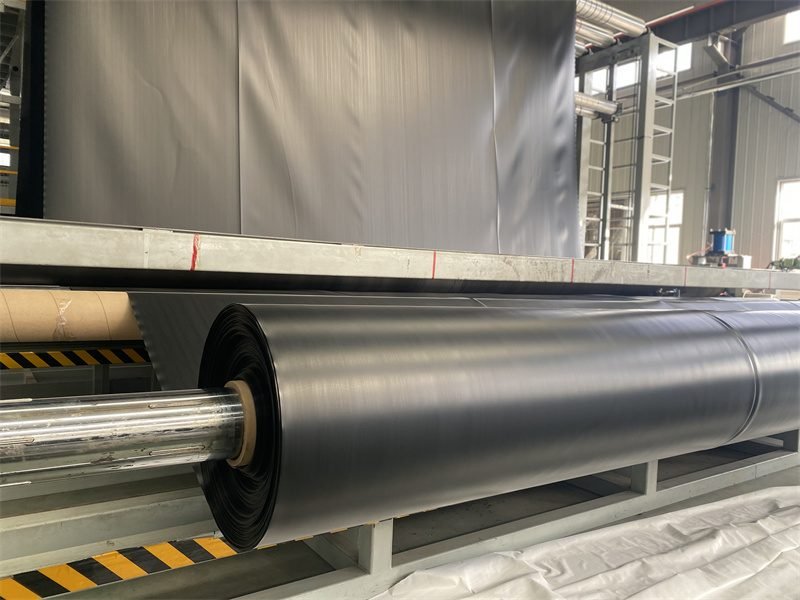
4.Characteristics of Geomembranes in Gold Mining Projects
Not all geomembranes are equal—gold mining requires specific material properties for optimal performance.
4.1 Material Types
Type | Best For | Advantages |
HDPE | Heap leach pads, tailings dams | High chemical resistance, durable, cost-effective |
LLDPE | Flexible liners, exposed areas | More puncture-resistant, better elongation |
PVC | Temporary liners, secondary containment | Easier installation, good flexibility |
4.2. Thickness & Strength
(1)1.5mm to 3.0mm thickness is common for mining applications
(2)High tensile strength to resist ground movement
(3)Puncture resistance to withstand sharp rocks
4.3. Seaming & Installation
(1)Thermal fusion welding ensures leak-proof seams
(2)Quality control testing (spark testing, air pressure tests)
(3)Proper slope design to prevent liner stress
4.4 UV & Oxidation Resistance
(1)Carbon black stabilization for UV protection
(2)Antioxidant additives to prolong lifespan5 The service life of the HDPE Geomembrane
Geomembranes have become an essential component of modern gold mining, offering superior containment, environmental protection, and operational efficiency. By preventing chemical leaks, improving gold recovery, and reducing long-term liabilities, they help mining companies operate sustainably and profitably.
As gold mining continues to evolve, advancements in geomembrane technology—such as reinforced liners and smart leak detection systems—will further enhance safety and performance. Companies that invest in high-quality geomembranes today will reduce risks, cut costs, and secure their social license to operate in an increasingly regulated industry.For mining operators, the choice is clear: geomembranes are not just an option—they are a necessity for responsible gold extraction.
Summary:
Installing an HDPE pond liner is a strategic investment for durable, leak-free water containment. With material costs of $6,098–$27,007 for a 1-acre pond and installation costs of $8,712–$65,340, HDPE offers unmatched durability, chemical resistance, and fish safety. By following this step-by-step guide—covering site preparation, welding, anchoring, and maintenance—you can achieve a 20–50-year lifespan while minimizing risks like punctures (15% of failures) and seam leaks (85% of leaks). Leverage bulk discounts, soil testing, and professional installation to optimize costs and performance. Contact reputable suppliers like BPM Geomembrane for custom solutions and expert support.