1. Introduction to 2mm HDPE Geomembrane
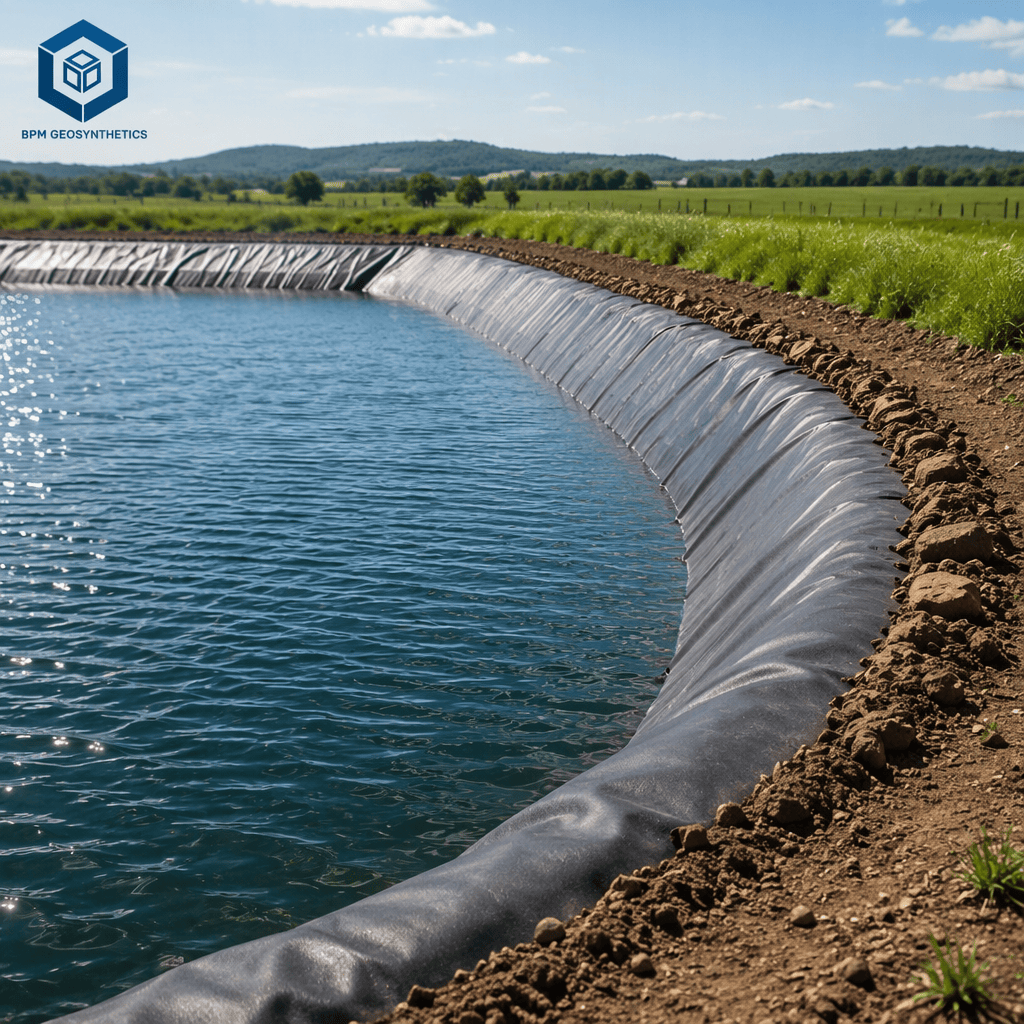
The 2 mm HDPE geomembrane is an impermeable synthetic membrane liner. It has been widely applied in environmental containment scenarios, standing out as one of the most durable and chemically resistant geomembrane materials. Its key function is to effectively block the migration of liquids and gases in various engineering projects.
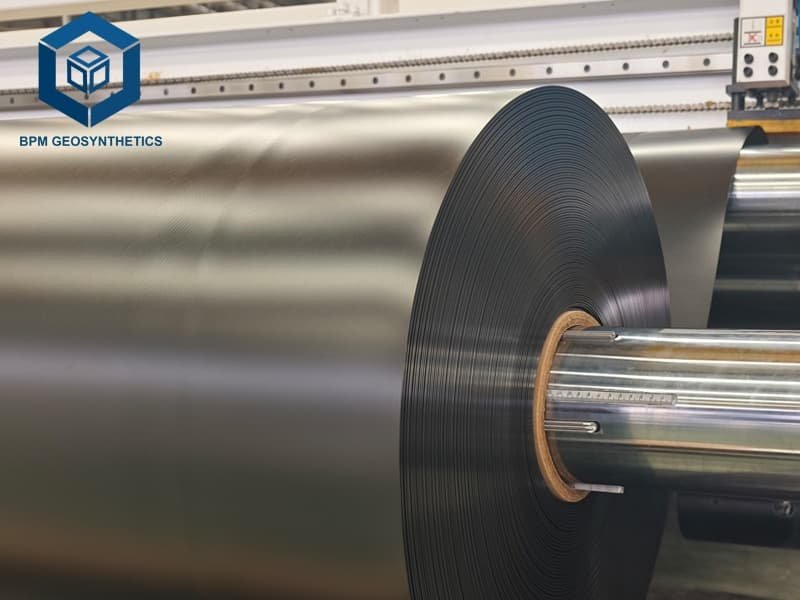
BPM Geosynthetics, a leading manufacturer in this field, produces high-quality 2mm HDPE geomembranes that meet international standards like ASTM GRI-GM13. These geomembranes are crafted from specially formulated polyethylene resins, with antioxidants and UV stabilizers added to boost durability and extend their service life.
The 2mm thickness, which is approximately 80 mils, strikes an excellent balance between mechanical strength and cost-effectiveness for numerous containment applications. Compared to thinner alternatives, it offers superior puncture resistance and tensile strength. At the same time, it remains flexible enough to be installed on uneven subgrades.
2. Product Specifications and Characteristics of 2mm HDPE Geomembrane
2.1 Basic Specifications
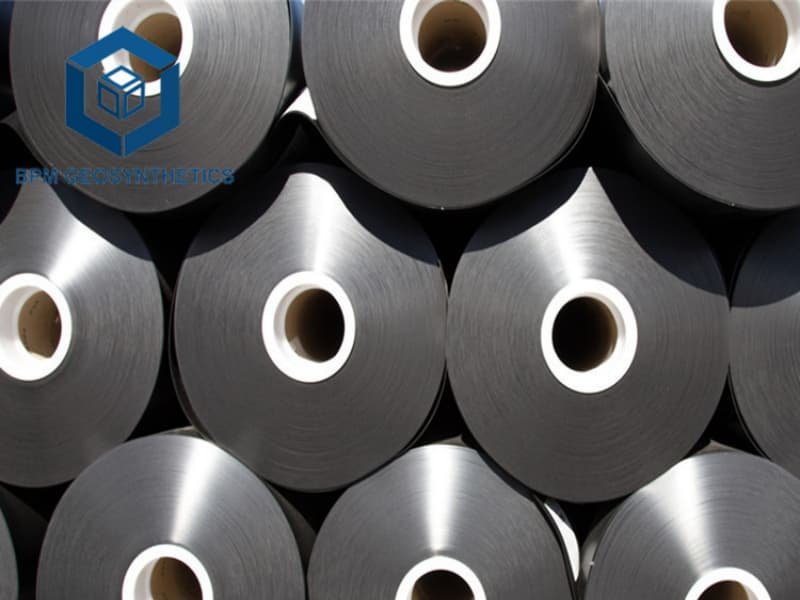
BPM Geosynthetics’ 2mm HDPE geomembrane boasts outstanding physical and chemical properties. In terms of material composition, it consists of 97.5% polyethylene, along with 2.5% carbon black and additives. Its density is no less than 0.940 g/cm³, and the tensile strength in the machine direction reaches at least 27 MPa. The elongation at break is 700% or higher, while the puncture resistance is 500 N or more. The tear resistance meets the standard of ≥125 N (ASTM D1004), and the permeability is less than 1.0×10⁻¹³ cm/s, making it effectively impermeable.
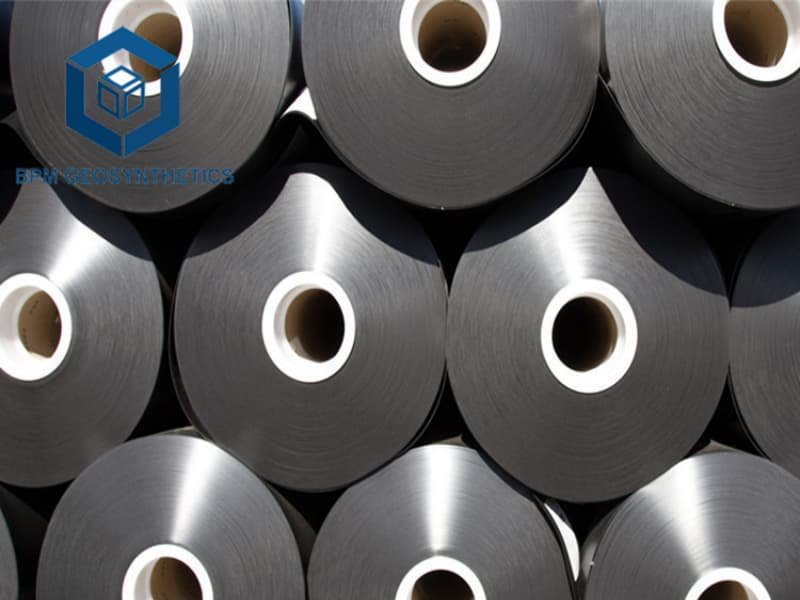
The geomembrane can have a smooth or textured surface based on specific needs. It comes with standard widths ranging from 2m to 8m, and the rolls are typically 50-100 meters in length. BPM offers both black and white 2mm geomembranes, with black being the standard choice for most applications due to its better UV resistance.
2.2 Key Advantages
This geomembrane excels in chemical resistance, showing excellent tolerance to acids, alkalis, and most industrial chemicals within a pH range of 1-14. It also performs well in terms of environmental stress crack resistance, passing a 500-hour test under 100% stress (ASTM D5397).
Thanks to the 2-3% premium carbon black it contains, it has good UV stability, allowing for long-term outdoor use. Even in low-temperature conditions as cold as -60°C, it can maintain its performance. Additionally, it is designed for reliable thermal fusion welding, ensuring ease of installation in related projects.
3. 2mm HDPE Geomembrane’s Applications and Suitable Environments
3.1 Main Application Fields
The 2mm HDPE geomembrane has found wide use across multiple industries. In waste containment systems, it is used for landfill base liners and caps, leachate ponds and collection systems, hazardous waste containment, and industrial waste storage facilities.
In the field of water and liquid containment, it serves potable water reservoirs, wastewater treatment lagoons, decorative and irrigation ponds, as well as aquaculture and fish farming ponds. For mining and energy applications, it is applied in heap leach pads, tailings storage facilities, brine ponds, and oil and gas exploration containment. In civil engineering, it is used for tunnel waterproofing, canal liners, and underground storage.
3.2 Suitable Project Types
BPM Geosynthetics’ 2mm HDPE geomembrane is particularly well-suited for certain project types. It is ideal for projects that require enhanced puncture resistance and for sites with poor subgrade conditions. It also fits applications that demand a long service life of over 30 years and is effective for containing aggressive chemicals.
4. The Application of 2mm HDPE Geomembrane in Landfill Engineering
In modern landfill engineering, the 2mm HDPE geomembrane acts as a primary barrier, preventing leachate migration and protecting groundwater resources from contamination. BPM Geosynthetics’ 2mm geomembrane is specifically engineered to meet the strict requirements of landfill applications.
4.1 Landfill Base Liner System
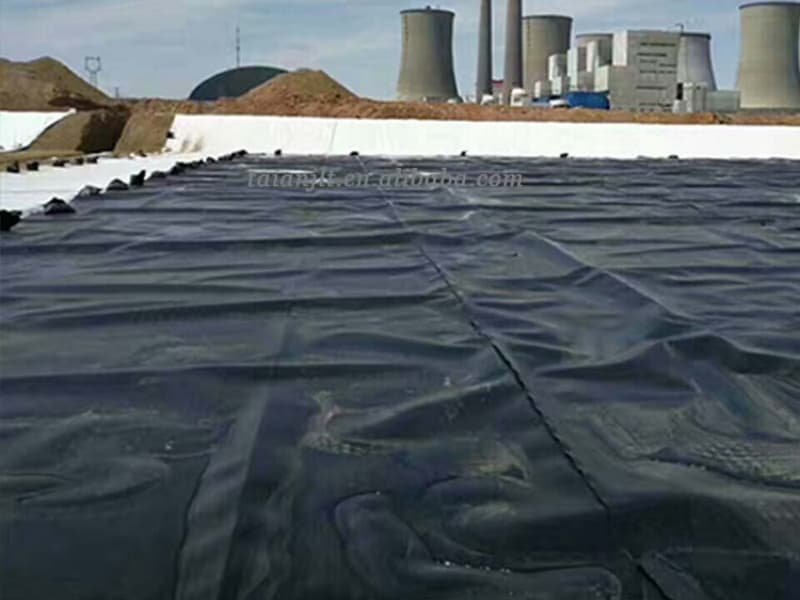
As part of a composite liner system, which is usually paired with a geosynthetic clay liner, the 2mm HDPE geomembrane serves as a hydraulic barrier to stop leachate from penetrating. It can resist chemical attacks from landfill leachate, withstand the stresses caused by waste loading and settlement, and maintain its integrity against potential punctures from underlying materials.
4.2 Landfill Cap System
When used in final cover systems, the geomembrane plays a crucial role. It prevents rainwater infiltration, which would otherwise generate more leachate. It also controls the migration of landfill gas, provides a stable foundation for vegetative growth, and resists UV degradation in exposed settings.
4.3 Special Formulation Enhancements for Landfills
BPM’s 2mm HDPE geomembrane for landfills comes with special formulation improvements. It has increased stress crack resistance to ensure long-term performance and an enhanced antioxidant package to extend its service life. It also offers textured surface options to increase interface friction and has high weld strength for reliable seam integrity.
5. Performance and Effectiveness
5.1 Mechanical and Hydraulic Performance
Field performance data and case studies have demonstrated that the 2mm HDPE geomembrane works effectively in real-world applications. In terms of mechanical performance, BPM’s 2mm geomembrane can withstand differential settlement without breaking, resist punctures from underlying stones or waste materials, maintain its integrity under both static and dynamic loads, and function normally in extreme temperatures ranging from -40°C to +60°C.
In terms of hydraulic performance, actual field permeability measurements consistently show values below 10⁻¹² cm/sec. Leak detection surveys indicate that when properly installed, there is less than 1 defect per hectare. Long-term chemical exposure tests also reveal minimal changes in permeability.
5.2 Durability
Accelerated aging tests have provided predictions about its durability. In buried applications, it is expected to have a service life of over 50 years. In exposed conditions, it can last for 20-30 years. Even after prolonged exposure to chemicals, there is minimal degradation of its properties.
5.3 Case Study: Regional Landfill Project
A major landfill in Southeast Asia that uses BPM’s 2mm HDPE geomembrane has reported positive results. Over 10 years of operation, there have been no liner-related environmental incidents. The leachate collection rates are 35% lower than the design predictions, and there has been no measurable impact on the quality of downgradient groundwater. Additionally, the liner system has required minimal maintenance.
6. Cost-Effectiveness
While the initial cost of this geomembrane is higher than that of thinner alternatives, a life-cycle cost analysis reveals its cost-effectiveness. It brings lower repair and maintenance costs, reduces the risk of environmental liability, has a longer service life before needing replacement, and offers a higher overall value per square meter.
7. BPM Geosynthetics’ Quality Assurance
7.1 Quality Control Measures
BPM Geosynthetics maintains strict quality control for its 2mm HDPE geomembrane. It operates ISO 9001 certified production facilities and follows ASTM and GRI-compliant manufacturing processes. Batch testing of raw materials is conducted, and continuous thickness monitoring is carried out during extrusion to ensure product quality.
7.2 Technical Support
The company provides comprehensive technical support. This includes engineering support for design and specification, installation training and supervision, quality control testing services, and long-term performance monitoring.
8. Conclusion
As one of the largest geomembrane liner companies in China, BPM has over 160 professional staff and a 36,000-square-meter geomembrane manufacturing factory equipped with advanced production lines. The factory holds certifications such as ISO9001, ISO14001, and OHSAS18001. All BPM geomembranes have passed certifications from TUV, Soncap, SASO, BV, as well as tests by SGS and Intertek, among others.
BPM is committed to product innovation, quality assurance, and customer satisfaction for customers worldwide. It has supplied various effective and advanced geomembranes and other geosynthetics to more than 36 countries, including Australia, France, Sweden, UK, Hong Kong, Hungary, New Zealand, Poland, Mexico, Ecuador, Brazil, Pakistan, Bangladesh, Thailand, Vietnam, Malaysia, Indonesia, Singapore, Philippines, Sri Lanka, India, UAE, Saudi Arabia, Qatar, Kenya, Ghana, Ethiopia, Somalia, Nigeria, South Africa, Swaziland, and Mongolia.