What Are Disadvantages Of 20 Mil HDPE Liner

HDPE liners have long been a popular choice in various industries, such as waste management, agriculture, and water containment, due to their general durability and chemical resistance. The 20 mil HDPE liner, with a thickness of 0.02 inches, is often selected for its perceived balance between cost and performance. However, despite its widespread use, this specific type of liner comes with a range of disadvantages that users and project planners must carefully consider before implementation. Understanding these drawbacks is crucial to avoiding potential project failures, additional costs, and environmental risks.

1. Limited Physical Durability in High – Stress Environments

While HDPE liners are known for their durability compared to some other plastic materials, the 20 mil thickness imposes significant limitations when the liner is exposed to high – stress conditions. This lack of robustness can lead to premature damage, compromising the liner’s ability to contain liquids or prevent contamination.

1.1 Vulnerability to Puncture and Tear

The 20 mil thickness is relatively thin for applications where the liner may come into contact with sharp objects or experience excessive force. In waste containment facilities, for example, debris such as broken glass, metal scraps, or even large rocks can easily puncture the 20 mil HDPE liner. Once punctured, the liner loses its containment function, allowing leachate to seep into the surrounding soil and groundwater. Similarly, in agricultural settings, farm equipment like tractors or plows can accidentally tear the liner when moving over it, leading to water loss in irrigation systems. Unlike thicker HDPE liners (such as 30 mil or 40 mil), the 20 mil version lacks the extra material to withstand such impacts.

1.2 Reduced Resistance to Impact and Compression
In addition to punctures and tears, the 20 mil HDPE liner shows poor resistance to impact and compression. In construction sites, heavy machinery or falling debris can exert significant pressure on the liner. The thin 20 mil material is unable to absorb the impact effectively, resulting in permanent deformation or cracking. For instance, if a concrete block falls onto the liner during a construction project, the 20 mil HDPE is likely to crack, creating a gap that allows the contained substance to escape. In compression scenarios, such as when the liner is used under a layer of heavy soil or waste, the 20 mil thickness can lead to the liner being crushed. 
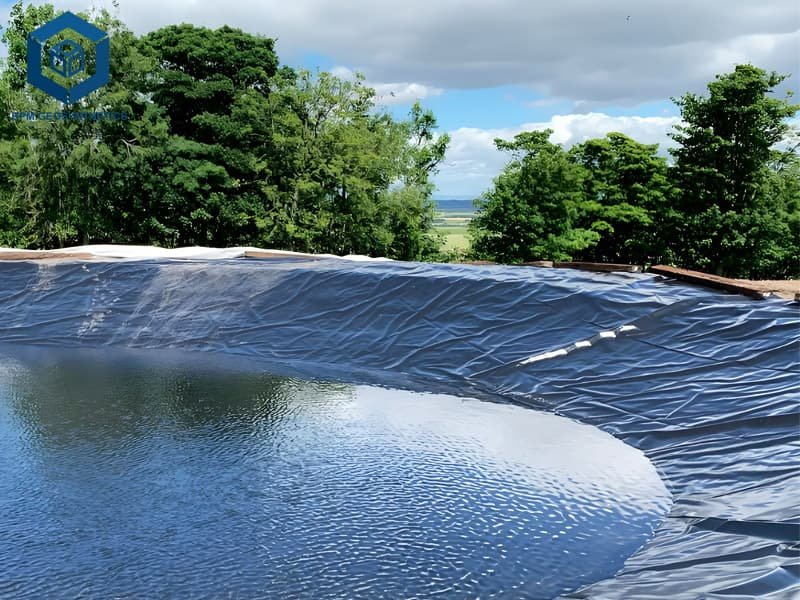
20 mil hdpe liner for fish pond in indonesia

2. Challenges in Installation and Maintenance

The installation and maintenance processes of the 20 mil HDPE liner present unique challenges that can increase project complexity, time, and costs. These challenges arise from the liner’s physical properties and its sensitivity to external factors during and after installation.

2.1 Difficulty in Handling and Seaming

The thin nature of the 20 mil HDPE liner makes it difficult to handle during installation. Unlike thicker liners, which are more rigid and easier to maneuver, the 20 mil liner is flexible and prone to wrinkling. Wrinkles in the liner can create gaps that compromise the containment integrity, as they prevent proper contact between the liner and the substrate. Moreover, sealing the 20 mil HDPE liner is a delicate and time – consuming process. Seams are critical for the liner’s performance, as they connect individual sheets of the liner to form a continuous barrier. However, the thin material is more susceptible to heat damage during the heat – welding process, which is commonly used to seam HDPE liners. 

2.2 High Maintenance Requirements and Shortened Lifespan
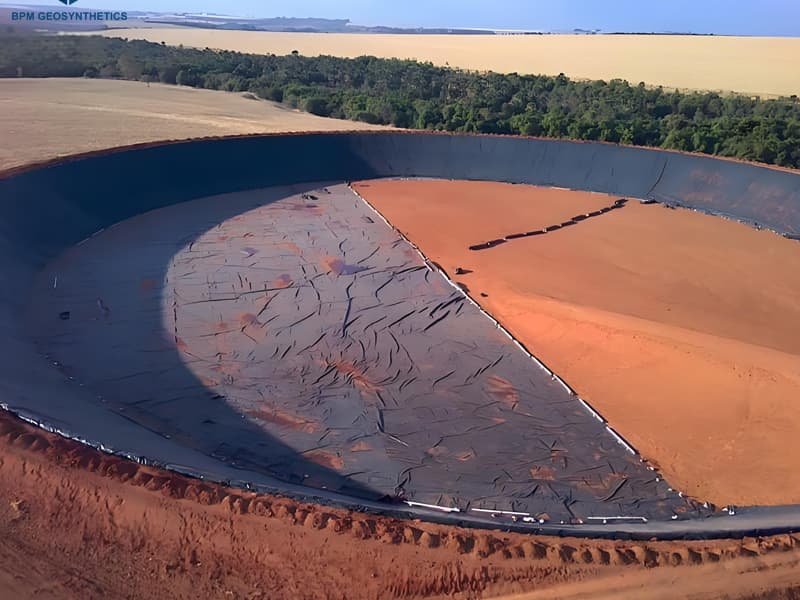
After installation, the 20 mil HDPE liner demands high maintenance to ensure its long – term performance, and even with proper maintenance, its lifespan is often shorter than that of thicker HDPE liners. The thin material is more affected by environmental factors such as UV radiation, temperature fluctuations, and chemical exposure. UV radiation from the sun can cause the 20 mil liner to degrade over time, leading to discoloration, brittleness, and a loss of flexibility. This degradation weakens the liner’s structure, making it more prone to cracking and tearing. Temperature fluctuations can also take a toll on the liner. In cold weather, the 20 mil HDPE becomes stiffer and less flexible, increasing the risk of cracking when exposed to movement or impact. In hot weather, the liner can expand, leading to wrinkling and potential seam failure. 
20 mil hdpe liner

3. Environmental Limitations and Risks

While HDPE is often considered a relatively environmentally friendly material due to its recyclability, the 20 mil HDPE liner has specific environmental limitations and risks that cannot be ignored. These issues relate to its performance in environmental protection and its end – of – life impact.

3.1 Inadequate Containment for Hazardous Substances

HDPE liners often hold hazardous substances (industrial waste, chemicals, landfill leachate), but 20 mil thickness is inadequate. Hazardous substances permeate it over time, especially with defects. Landfill leachate’s toxic chemicals (heavy metals, organics) may seep into groundwater via 20 mil liners, contaminating water and harming ecosystems. Even intact, it has a higher permeation rate than thicker liners.

3.2 Environmental Impact of Frequent Replacements

The 20 mil liner’s short lifespan means frequent replacements, each with environmental harm. New liner production uses fossil fuels/energy, boosting greenhouse gases. Old liners may be contaminated, making recycling hard, so many end up in landfills, taking centuries to decompose, occupying space and risking pollution.

4. Cost – Effectiveness Issues

Although the 20 mil HDPE liner has a lower upfront cost than thicker alternatives, its long – term cost – effectiveness is questionable. Frequent replacements, due to its short lifespan, add up quickly. Each replacement needs new materials, labor, and facility downtime, which are costly. Also, the damage from leaks (like groundwater contamination) brings expensive cleanup and legal fees. Thicker liners, despite higher initial costs, last longer and need less maintenance, saving money over time. The 20 mil liner’s low upfront cost often hides higher long – term expenses, making it a less cost – effective choice for most projects.
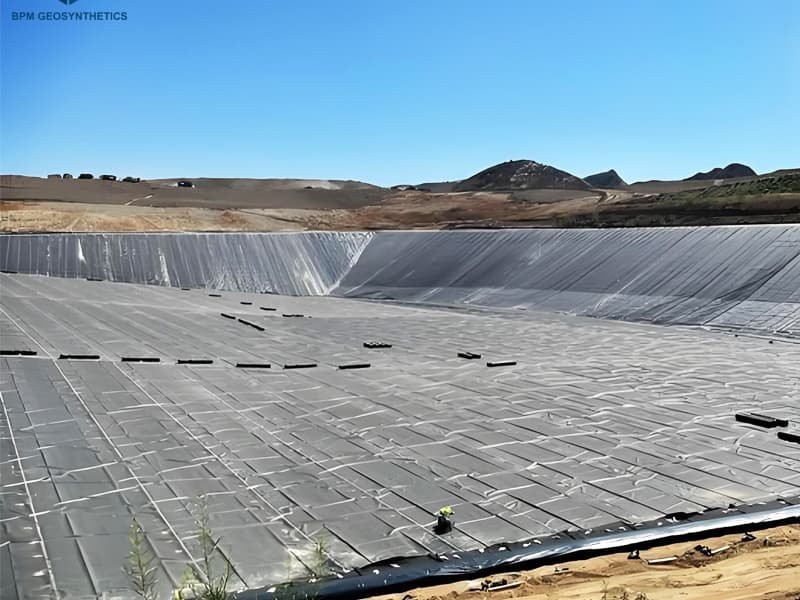
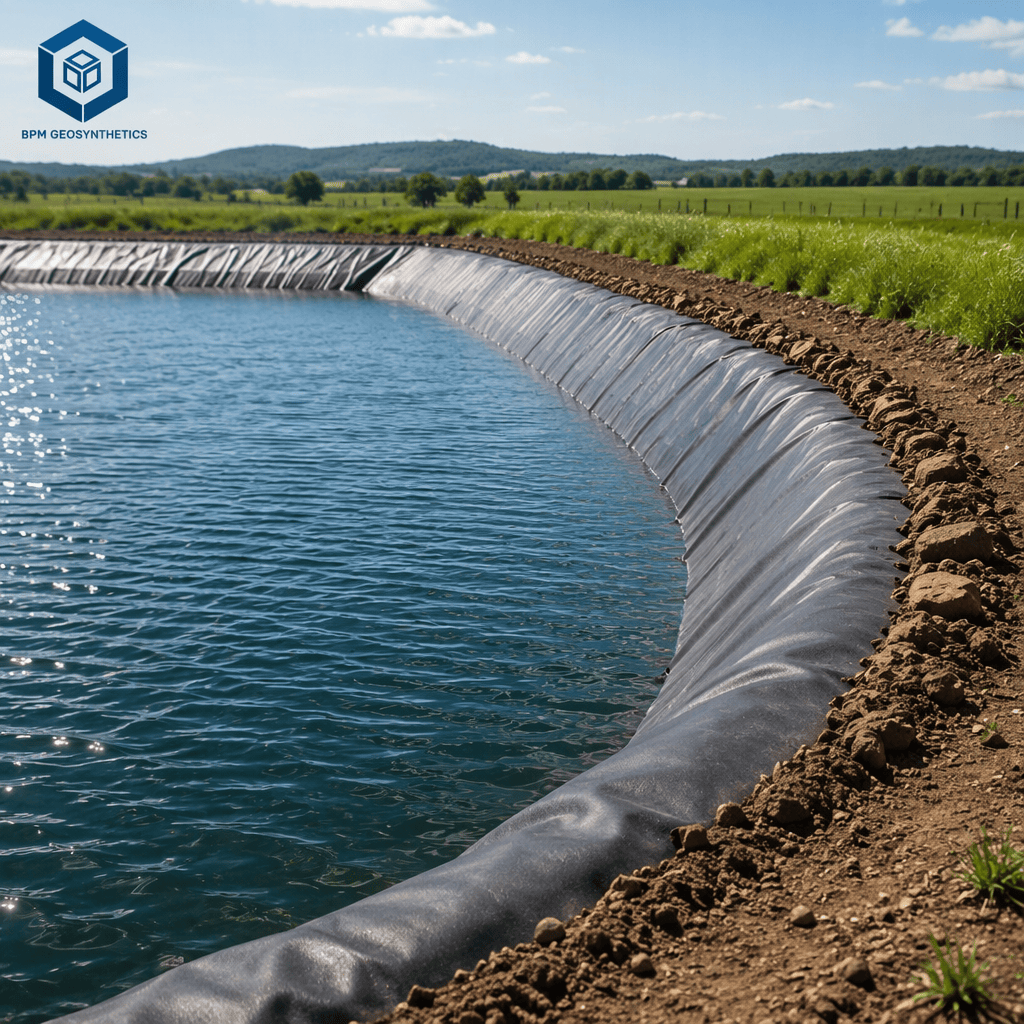
20 mil hdpe liner

5. Conclusion

In conclusion, while the 20 mil HDPE liner may seem like a cost – effective option in the short term, its disadvantages in physical durability, installation and maintenance, environmental performance, and long – term cost – effectiveness make it a less than ideal choice for many applications. Project planners and users should carefully evaluate their specific needs and consider alternative options, such as thicker HDPE liners or other liner materials, to ensure the success and sustainability of their projects. By taking these disadvantages into account, they can make more informed decisions that minimize risks, reduce costs, and protect the environment.

Table of Contents

Recent Blogs

The 8 Best Geomembrane 200 Micron Review

对于池塘、运河、景观水景甚至垃圾填埋场二次防护等防水工程,200微米(通常称为0.2毫米厚)的土工膜是一种常用且经济实惠的选择。它在柔韧性、耐久性和价格优势之间取得了良好的平衡,适用于轻型到中型应用。 然而,市面上土工膜种类繁多,选择合适的衬垫并非易事。为了帮助您做出明智的选择,我们评测并整理了一份包含8种最佳200微米土工膜的清单,重点关注材料质量、适用性和整体性价比。 什么是200微米土工膜? 200微米土工膜是一种由聚合物材料制成的薄而柔韧的不透水片材。“200微米”指的是其厚度(0.2毫米或约8密耳)。这种厚度的土工膜重量轻、易于安装,但通常建议用于地基稳定平整、无重型结构荷载或尖锐岩石的工程项目。常用材料包括高密度聚乙烯(HDPE)、低密度聚乙烯(LDPE)、聚氯乙烯(PVC)和聚丙烯(PP)。 Lorem ipsum dolor sat amet,consectetur adipiscing elit。 Ut elittellus,luctus nec ullamcorper mattis,pulvinar dapibus leo。 我们精选的8款200微米土工膜 以下是我们精选产品的详细介绍,每款产品都适合略有不同的项目需求。 1.BPM HDPE光滑土工膜(200微米) 最适合:装饰性池塘、节水池、临时围堰。 我们选择它的理由:BPM是一家知名制造商,其200微米厚的HDPE板材在入门级厚度下即可提供出色的耐化学性和紫外线稳定性。对于注重耐光性的基本防水应用而言,它是一个理想的“实用型”选择。 主要特点:采用全新高密度聚乙烯树脂制成,质量稳定。

Read More »

Get Instant Quote

When you’re looking for geomembrane or geosynthetics products or services, we are always here repond to your quote as soon as possible.