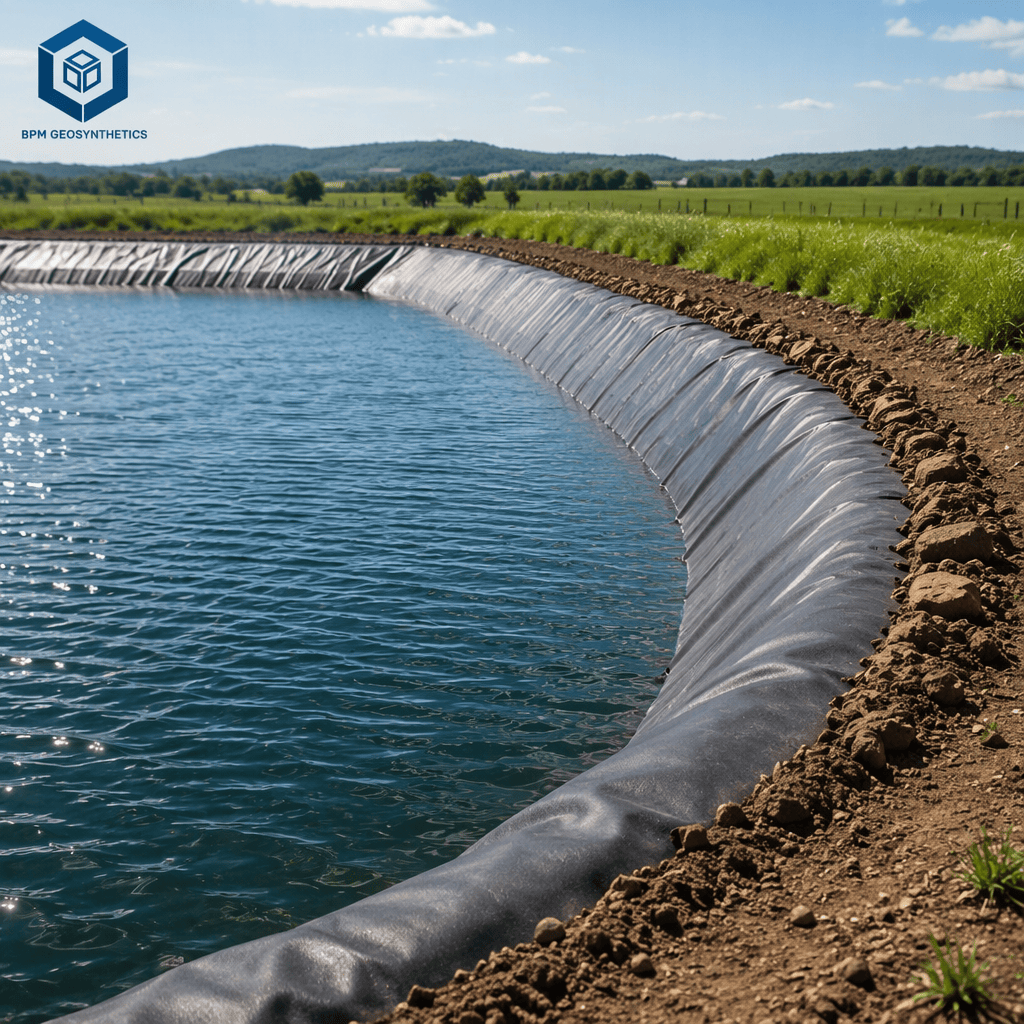
PVC Geomembranes are impermeable synthetic sheets used extensively in engineering projects to control fluid migration. Among the various polymers available, Polyvinyl Chloride (PVC) geomembrane stands as one of the oldest and most well-established materials. However, like any engineering material, it comes with a unique set of advantages and drawbacks. Understanding these is crucial for engineers, installers, and project managers to make informed decisions. BPM Geosynthetics Anti-seepage Geomembrane Manufacturer This article will explore what PVC geomembrane is, delve into its significant disadvantages, balance the perspective with its many advantages, and provide guidance on selecting a high-quality product.
1.What is PVC Geomembrane?
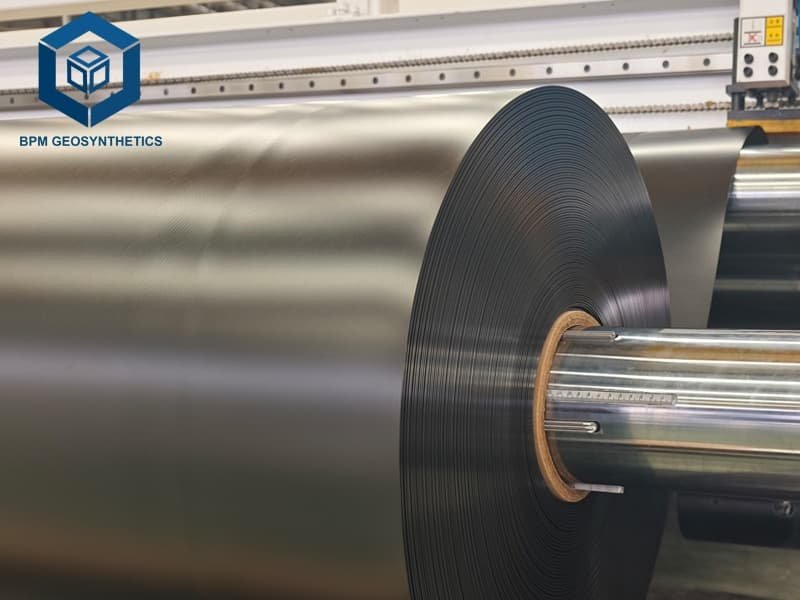
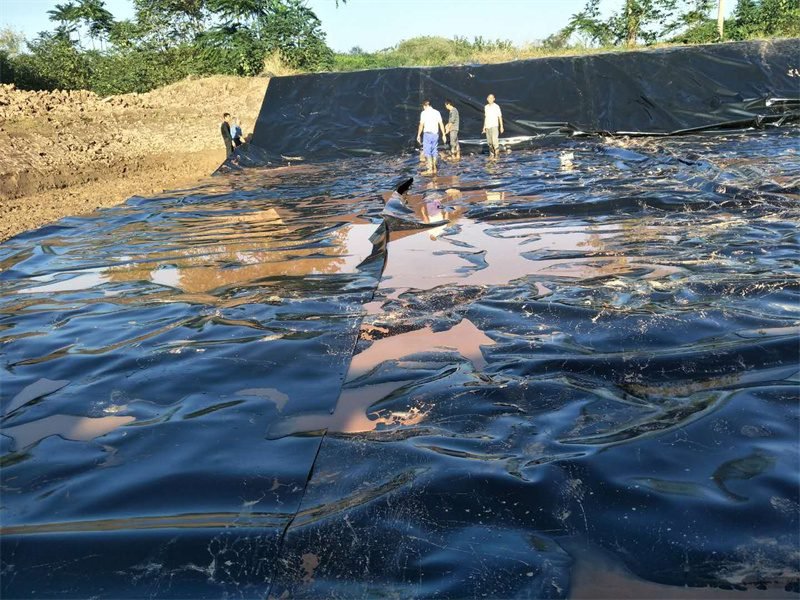
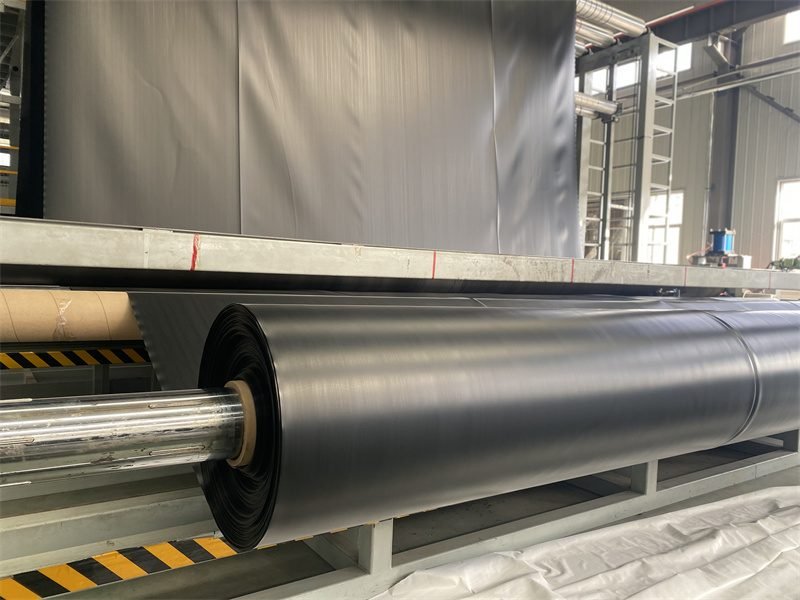
A PVC geomembrane is a flexible, waterproofing liner made from polyvinyl chloride resin. The raw PVC polymer is inherently rigid; to transform it into the flexible sheet required for geomembranes, manufacturers add significant quantities of plasticizers—typically phthalates or other specialty chemicals. These plasticizers lubricate the PVC polymer chains, allowing them to slide past each other, thus imparting flexibility, elongation, and conformability.
The final product is a durable, homogenous sheet available in various thicknesses (from 0.5mm to over 2.0mm) and is often reinforced with polyester or glass fiber scrim to enhance its tensile strength and puncture resistance. PVC membranes are renowned for their ease of installation due to their high flexibility, even in cold weather.
2. What Are Applications Of PVC Geomembranes?
PVC geomembranes find application in various industries and settings due to their versatile properties. Some common applications include:
2.1 Landfills
PVC geomembranes are used as liners in landfills to prevent leachate seepage into the soil and groundwater, thus protecting the environment from contamination.
2.2 Pond and Reservoir Liners
These geomembranes are utilized in the construction of ponds, reservoirs, and water containment structures for agricultural, industrial, or recreational purposes.
2.3 Mining
PVC geomembranes are used in mining operations as liners for tailings ponds, heap leach pads, and other containment systems to prevent the escape of contaminants.
2.4 Wastewater Treatment
They are employed in wastewater treatment facilities as liners for settling ponds, lagoons, and other containment structures to manage and treat wastewater.
2.5 Aquaculture
PVC geomembranes are used in aquaculture for lining fish ponds, shrimp ponds, and other aquatic enclosures to contain water and provide a suitable environment for aquatic life.
2.6 Secondary Containment Systems
They are utilized in secondary containment systems for storing hazardous materials, chemicals, and fuels to prevent leaks and spills.
2.7 Decorative Ponds and Lakes
PVC geomembranes are used in landscaping for creating decorative ponds, water features, and artificial lakes in parks, gardens, and public spaces.
2.8 Roofing and Waterproofing
In construction, PVC geomembranes are applied in roofing systems and waterproofing applications to provide a protective barrier against water infiltration.
3. What Are Advantages Of PVC Geomembrane?
PVC geomembranes offer several advantages that make them a popular choice for various applications:
3.1 Chemical Resistance
PVC geomembranes exhibit excellent resistance to a wide range of chemicals, making them suitable for applications where exposure to corrosive substances is a concern.
3.2 UV Resistance
PVC geomembranes are formulated to withstand prolonged exposure to ultraviolet (UV) radiation without significant degradation, ensuring long-term durability in outdoor applications.
3.3 Flexibility
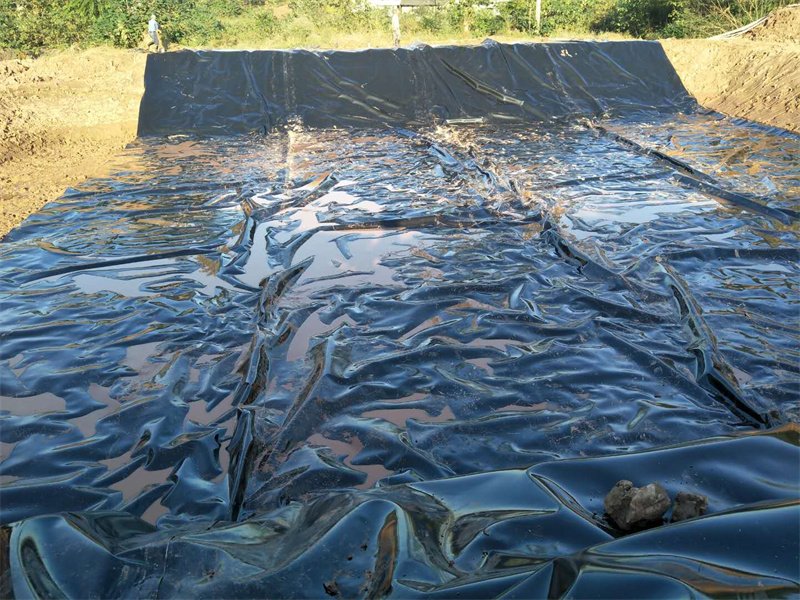
PVC geomembranes are flexible and can conform to irregular surfaces, making them easy to install and allowing for efficient coverage of complex shapes and contours.
3.4 Durability
These geomembranes are durable and have a long service life, providing reliable containment and protection over extended periods.
3.5 Waterproofing
PVC geomembranes offer excellent waterproofing properties, preventing water seepage and leakage in applications such as ponds, reservoirs, landfills, and water containment structures.
3.6 Low Permeability
PVC geomembranes have low permeability, effectively sealing off contaminants and preventing the migration of fluids or gases through the liner.
3.7 Ease of Installation
Due to their flexibility and lightweight nature, PVC geomembranes are relatively easy to install, reducing labor costs and installation time.
4. What Are Disadvantages Of PVC Geomembrane?
While PVC geomembranes offer numerous advantages, they also have some disadvantages that should be considered:
4.1 Higher Cost
PVC geomembrane is typically more expensive compared to other types of geomembranes, which can increase the overall project budget.
4.2 Potential for Cracking
Under certain conditions, PVC geomembrane can develop cracks, especially in cold temperatures or due to stress from substrate movement.
4.3 Permeability Concerns
Although PVC geomembrane is generally considered impermeable, it may allow some gases to penetrate, affecting the efficiency of waste containment systems.
4.4 Difficulty in Repair
Repairing PVC geomembrane can be challenging and requires specialized techniques and materials, increasing maintenance complexity.
4.5 Environmental Concerns
The production and disposal of PVC geomembrane raise environmental concerns, as it is a non-biodegradable material and may release harmful chemicals during its lifecycle.
5. Summary
While PVC geomembrane offers advantages such as durability and chemical resistance, it also presents some drawbacks. The higher cost compared to alternative materials, potential for cracking in certain conditions, difficulty in repair, and environmental concerns related to its production and disposal processes must be considered.These factors should be weighed when evaluating the suitability of PVC geomembrane for specific applications.
GEOSINCERE offers both high quality geosynthetic products but also professional design and installation service. OEM, ODM, custom development and fabrication are also available. If you have any questions or inquiries, please contact us, we will reply as soon as possible.