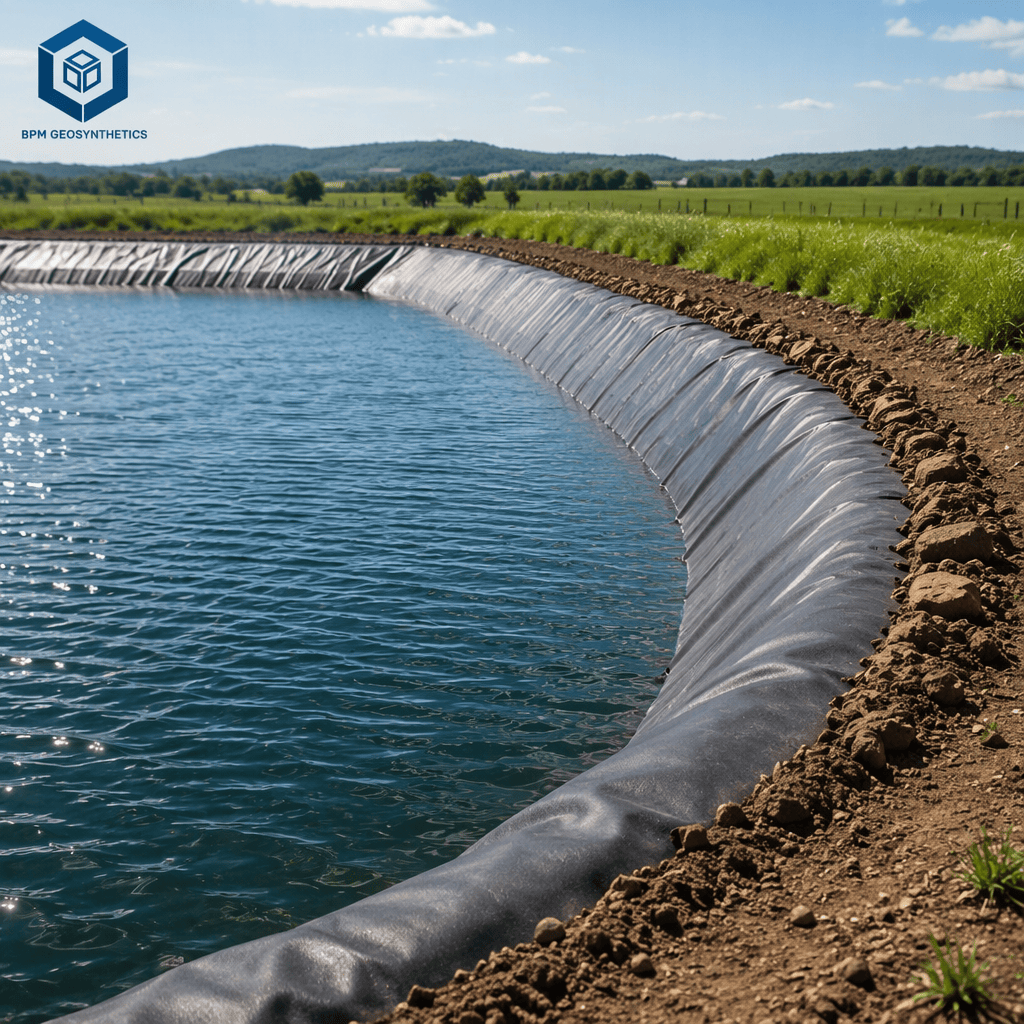
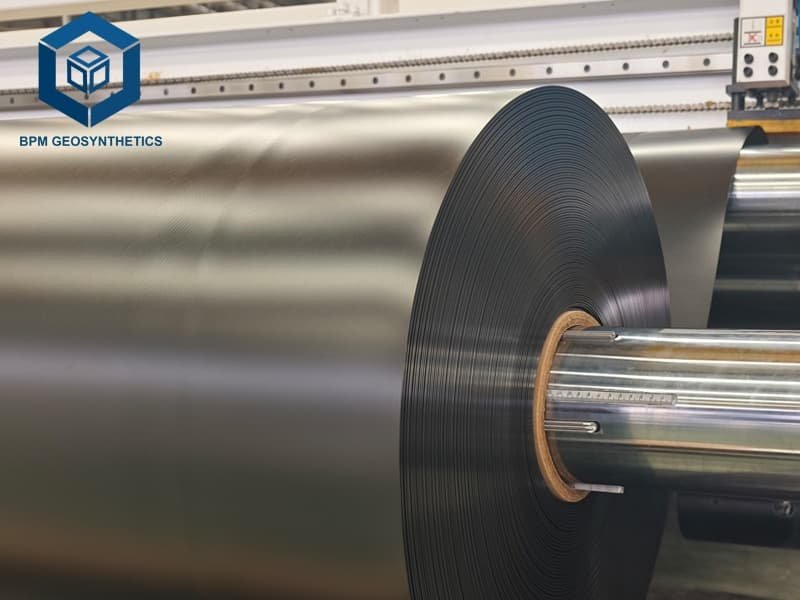
Landfill liners are essential for waste management, but they pose risks like leachate leakage, which can contaminate soil and groundwater. Choosing the right liner is key, and bituminous geomembrane has emerged as a top choice. This blog explores its main advantages.
1. Excellent Impermeability: The Core of Leachate Control
Impermeability is non-negotiable for landfill liners, and bituminous geomembrane excels here, forming a reliable barrier against leachate.
1.1 Ultra-Low Permeability Coefficient
Bituminous geomembrane has a permeability coefficient far below the standard for landfill liners (usually <1×10⁻¹² cm/s). Its asphalt-based structure has dense molecules, leaving almost no gaps for leachate to seep through, even over long periods.
1.2 Tight Bonding with Substrates
It adheres well to landfill substrates like compacted clay or geotextiles. When heated slightly, it conforms to the substrate’s surface, eliminating tiny gaps that often cause leakage in other liners. This bonding ensures a seamless anti-leakage system.
2. Strong Durability: Adapting to Harsh Landfill Environments
Landfills are harsh, with chemical corrosion, temperature changes, and mechanical impacts. Bituminous geomembrane’s durability lets it withstand these challenges.
2.1 Resistance to Chemical Corrosion
Leachate in landfills is acidic or alkaline, with harmful substances. Bituminous geomembrane’s asphalt component is inert to most chemicals, not reacting or degrading easily. Tests show it stays stable even after long contact with leachate.
2.2 Anti-UV and Anti-Aging Properties
Exposed parts of the liner face UV radiation. Bituminous geomembrane has additives that block UV, slowing aging. Unlike some plastic liners that become brittle, it retains flexibility and structure for decades.
2.3 High Mechanical Strength
It resists punctures from sharp waste and stretching from landfill settlement. Its tensile strength and elongation rate meet strict standards, not tearing or breaking easily during waste stacking and compaction.
3. Convenient Construction: Saving Time and Labor
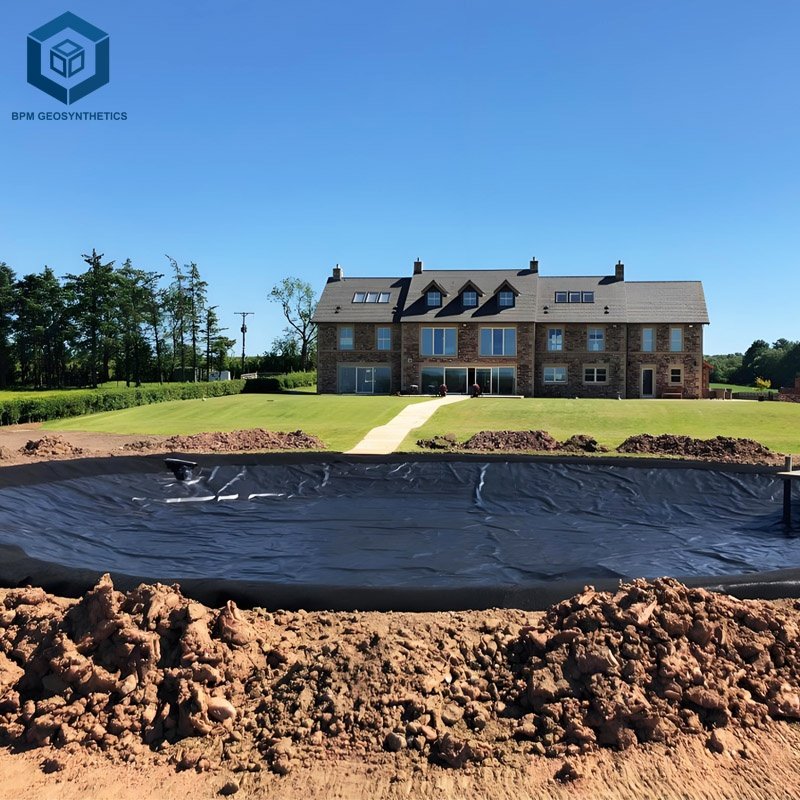
Complex construction increases costs and risks. Bituminous geomembrane’s construction process is simple, fitting various landfill sites.
3.1 Easy Installation with Basic Equipment
It doesn’t need special heavy machinery. Workers can unroll, lay, and bond it with common tools like heating torches. This reduces equipment rental costs and makes installation fast, even for small teams.
3.2 Good Adaptability to Terrain
Landfill sites often have uneven terrain. Bituminous geomembrane is flexible, bending easily over slopes, depressions, and curves. It fits the site’s shape without forcing, reducing installation gaps.
3.3 Quick Seam Processing
Seams are leakage hotspots. Bituminous geomembrane’s seams are bonded by heating, which is fast and effective. Each seam is strong and impermeable, with a qualification rate over 98% in tests, lowering post-installation repair needs.
4. Environmental Friendliness: Aligning with Sustainable Development
Today’s waste management needs eco-friendly materials, and bituminous geomembrane meets this demand.
4.1 Recyclable and Renewable Raw Materials
Its main material, asphalt, is recyclable. Old bituminous geomembranes can be processed and reused in new liners or road construction, reducing waste. Asphalt is also a by-product of oil refining, making it a sustainable choice.
4.2 Low Environmental Impact During Construction
No toxic fumes or waste are released during installation. Unlike some liners that use harmful adhesives, its heating bonding is clean. This protects workers’ health and the surrounding ecosystem.
5. Cost-Effectiveness: Long-Term Economic Benefits
While initial costs matter, long-term benefits are more important. Bituminous geomembrane offers great cost-effectiveness.
5.1 Long Service Life Reduces Replacement Costs
It has a service life of 30–50 years, much longer than plastic liners (15–20 years). Fewer replacements mean lower long-term costs, as landfill liners are costly to replace.
5.2 Low Maintenance Costs
Its durability means little maintenance. Unlike other liners that need regular checks and repairs for cracks or leaks, it only needs occasional inspections. This saves labor and material costs for maintenance.
6. Practical Application Cases: Proving Its Advantages
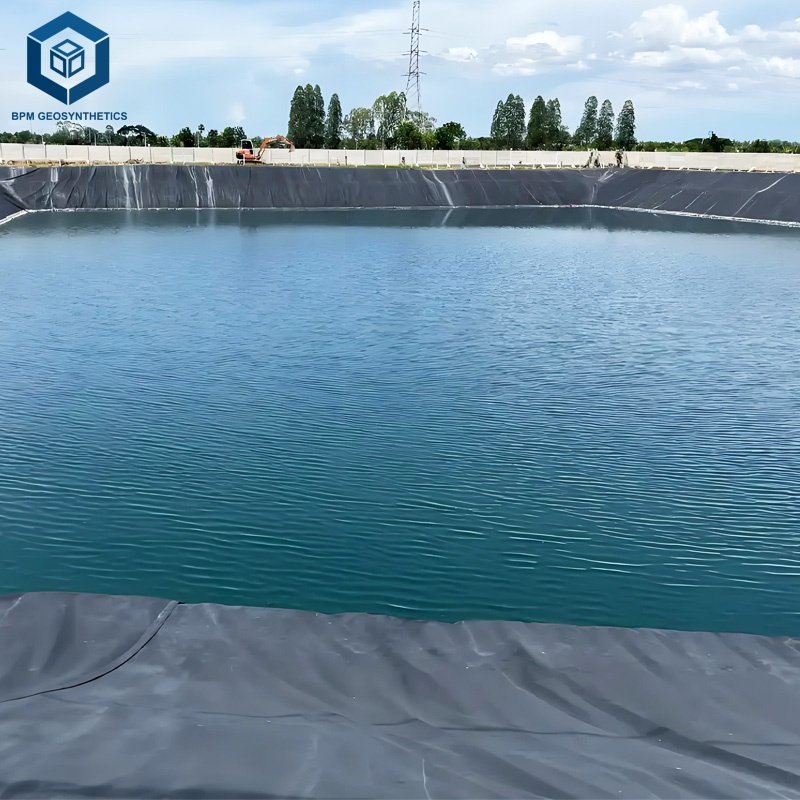
Real cases show bituminous geomembrane’s value in landfills worldwide.
6.1 Case 1: A Large Landfill in Germany
This landfill covers 50 hectares and uses bituminous geomembrane as the main liner. After 10 years, leachate leakage is almost zero. Its flexibility handled 3-meter settlement without damage, performing better than expected.
6.2 Case 2: A Municipal Landfill in the US
Facing strict environmental rules, this landfill chose bituminous geomembrane. Installation took 20 days, 30% faster than planned. Over 8 years, maintenance costs are 40% lower than nearby landfills with plastic liners.
6.3 Case 3: A Waste-to-Energy Landfill in China
High temperatures from waste incineration test liners. Bituminous geomembrane’s heat resistance kept it stable. No leakage or degradation has been found in 5 years, ensuring safe operation.
7. Comparison with Other Common Landfill Liners
Comparing it with others highlights its advantages.
7.1 vs. HDPE Geomembrane
HDPE is common but less flexible, prone to cracking on uneven terrain. Bituminous geomembrane’s flexibility and better bonding reduce leakage. HDPE also ages faster under UV, needing more maintenance.
7.2 vs. PVC Geomembrane
PVC has poor chemical resistance, degrading in acidic leachate. Bituminous geomembrane’s chemical stability is better. PVC also releases toxic substances when aging, while bituminous geomembrane is eco-friendlier.
7.3 vs. Rubber Geomembrane
Rubber liners are expensive and heavy, increasing installation costs. Bituminous geomembrane is cheaper and lighter, with similar or better performance. Rubber also needs more adhesives, raising environmental risks.
8. Conclusion
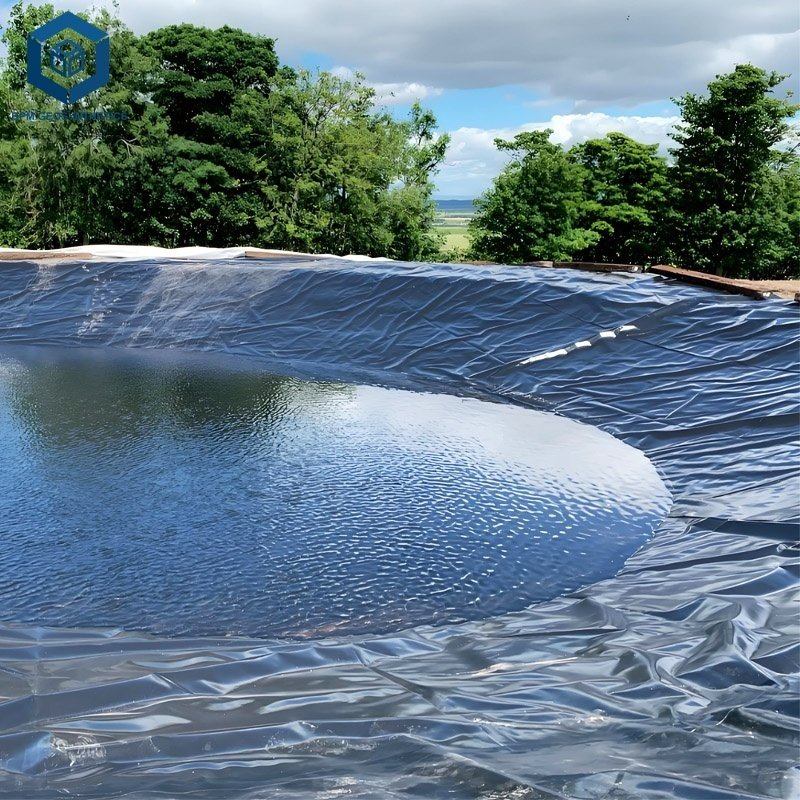
Bituminous geomembrane stands out in landfills for its impermeability, durability, easy construction, eco-friendliness, and cost-effectiveness. Real cases and comparisons prove it’s a reliable, sustainable liner choice. As waste management focuses more on environmental protection and long-term efficiency, it will play a bigger role in landfill projects worldwide. Whether for large or small landfills, it’s a wise investment for safe, eco-friendly waste disposal.