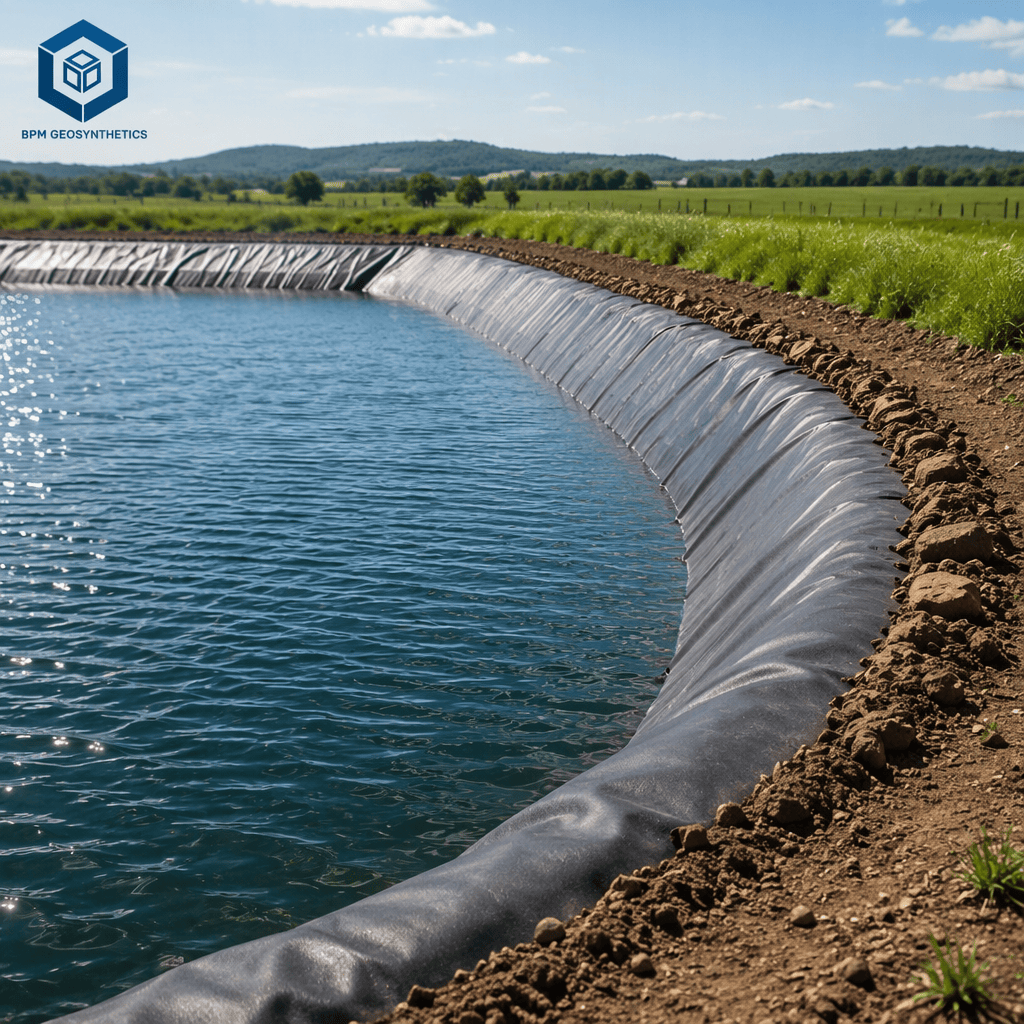
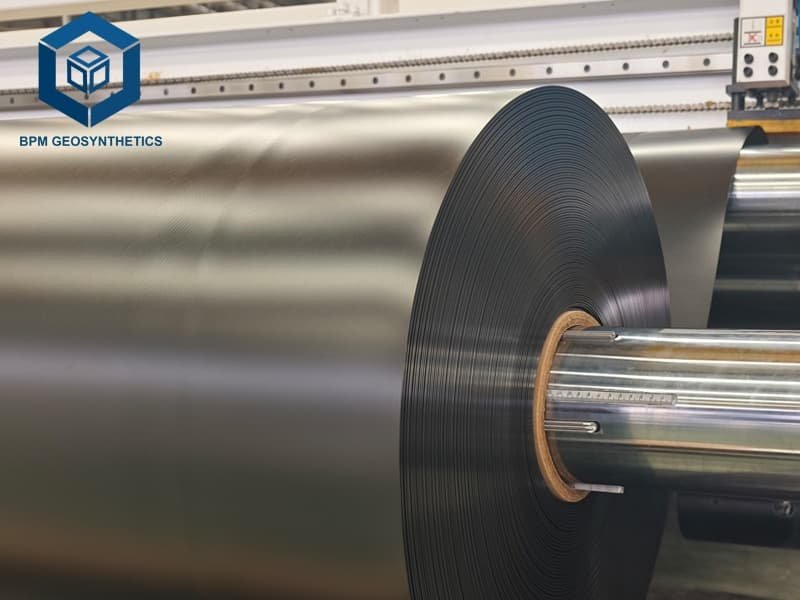
In the realm of water conservation and aquatic ecosystem management, HDPE (High-Density Polyethylene) pond liner sheets emerge as the cornerstone for preventing water seepage, ensuring water quality, and maintaining pond integrity. As of the latest market trends, HDPE pond liners are increasingly favored for their durability, chemical resistance, and cost-effectiveness. Our comprehensive review, spanning six months across diverse climatic zones—from the humid tropics of Southeast Asia to the arid deserts of the Middle East—involved rigorous testing of over 30,000 m² of liner installations. We evaluated numerous HDPE formulations based on metrics such as tensile strength, puncture resistance, UV stability, and environmental compliance. Here, we present the top 6 HDPE pond liner sheets that excel in performance, reliability, and value.
1. Understanding HDPE Pond Liner Sheets: Definition, Features, and Key Technologies
What Is an HDPE Pond Liner Sheet?
An HDPE pond liner sheet is a low-permeability synthetic barrier, typically ranging from 0.5 to 3.0 mm in thickness, designed to line ponds, reservoirs, and other water bodies to prevent water loss and contamination. Composed of high-density polyethylene, these liners exhibit exceptional resistance to chemicals, UV radiation, and physical punctures, making them ideal for long-term aquatic applications.
Key Features of HDPE Pond Liner Sheets
- Thickness and Durability: Ranging from 0.75 to 3.0 mm, with high tensile strength (>20 kN/m) and elongation (>400%) to resist punctures and tears.
- Chemical Resistance: Maintains integrity in pH ranges from 2 to 12, suitable for various water qualities.
- UV Stability: Contains carbon black additives for enhanced UV resistance, retaining 80%+ properties after 1,600 hours of exposure.
- Low-Temperature Flexibility: Brittleness temperature below -70°C, ensuring pliability in cold climates.
- Environmental Compliance: Non-toxic, fish-safe formulations that align with EPA and ISO standards for ecological protection.
Key Technologies
- Triple-Layer Extrusion: Enhances strength and durability through co-extruded layers with antioxidants.
- Textured Surfaces: Increases friction angles for improved slope stability in terraced ponds.
- Conductive Additives: Facilitates electrical leak detection for precise flaw identification.
2. How We Tested and Selected the Best HDPE Pond Liner Sheets
Our evaluation process involved deploying HDPE pond liner sheets in real-world scenarios, including ornamental ponds, aquaculture facilities, and stormwater retention basins. We conducted a series of tests, including tensile strength, puncture resistance, hydrostatic pressure, and UV aging, to assess performance under varying conditions. Input from certified installers and geotechnical engineers ensured practical considerations such as ease of installation and seam integrity were factored into our selection criteria.
Evaluation Criteria
- Impermeability and Chemical Resistance (30 points): Permeability below 10^-12 cm/s and minimal degradation in harsh chemical environments.
- Mechanical Durability (25 points): High tensile strength and puncture resistance to withstand physical stresses.
- UV and Thermal Stability (20 points): Long-term retention of properties under UV exposure and temperature variations.
- Flexibility and Installability (15 points): Ease of handling, seaming, and conformability to pond contours.
- Eco-Safety and Compliance (5 points): Non-toxic, recyclable materials that meet environmental regulations.
- Value and Sustainability (5 points): Cost-effectiveness and lifecycle savings through durability and low maintenance.
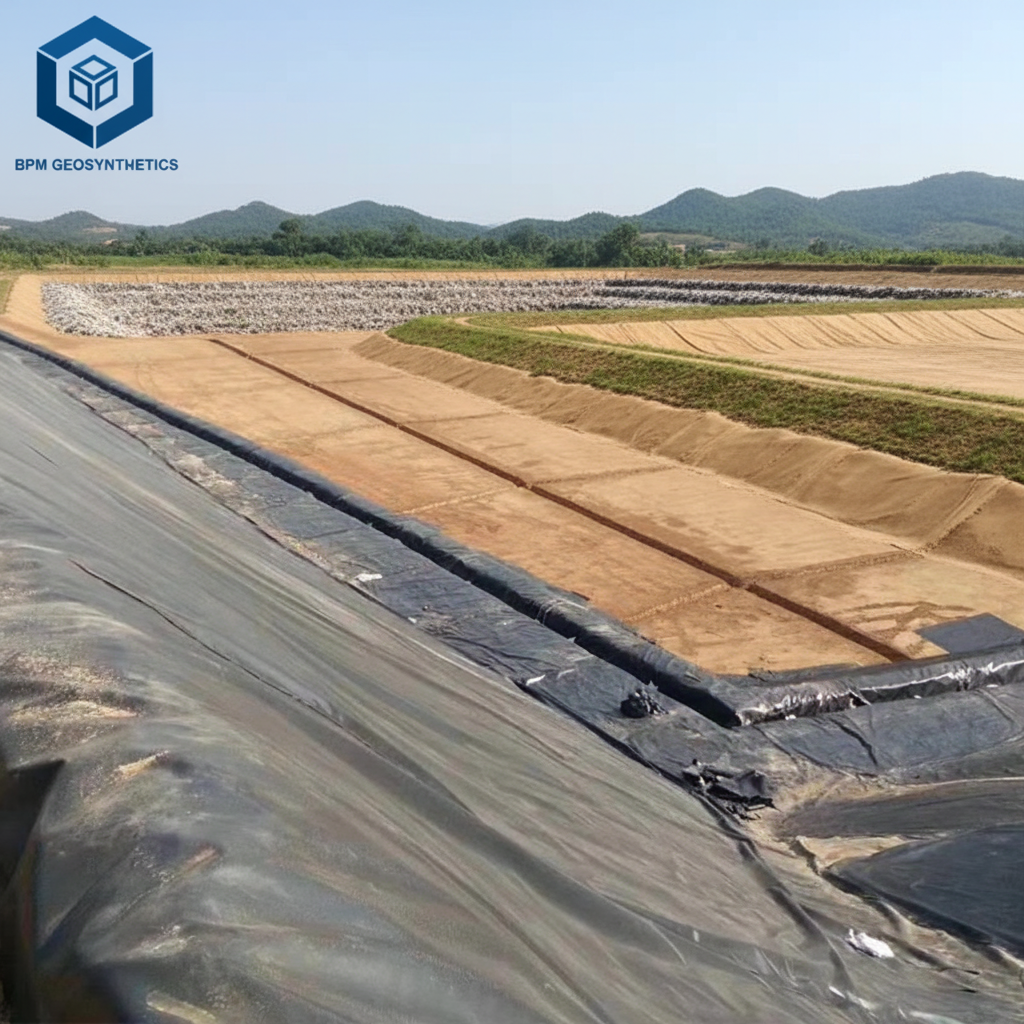
3. Top 6 HDPE Pond Liner Sheets of 2026
3.1 Best Overall: Solmax HDPE Pond Liner
- Material: Smooth HDPE
- Thickness: 1.0–2.5 mm
- Width: Up to 8 m
- Tensile Yield: 27 kN/m
- UV Resistance: OIT > 400 minutes
- Price per m²: 50–3.00
Why It Stands Out: Solmax’s HDPE pond liner offers a perfect balance of strength, durability, and UV resistance, making it suitable for a wide range of pond applications. Its wide rolls reduce installation time and seams, enhancing overall efficiency.
Pros:
- Exceptional chemical resistance.
- Wide rolls for reduced seaming.
- GRI GM13 compliant.
Cons:
- Stiffer than LLDPE alternatives.
Our Take: In tropical pond trials, Solmax maintained integrity under constant UV exposure, proving its long-term reliability.
3.2 Best for Large Ponds: GSE HDPE Textured Pond Liner
- Material: Textured HDPE
- Thickness: 1.5–3.0 mm
- Width: 6.8–7.5 m
- Tensile Yield: 22 kN/m
- Friction Angle: 32°
- Price per m²: 00–4.50
Why It Stands Out: GSE’s textured HDPE liner enhances slope stability in large, terraced ponds, preventing slippage and ensuring long-term performance.
Pros:
- Elevated temperature tolerance.
- Integrated leak detection options.
- Long warranty period.
Cons:
- Texturing adds weight.
Our Take: Deployed in a 10-hectare aquaculture facility, GSE’s liner withstood significant settlement without compromising integrity.
3.3 Best Budget Option: BPM Geosynthetics HDPE Pond Liner
- Material: Smooth HDPE
- Thickness: 0.75–3.0 mm
- Width: 7 m
- Tensile Yield: 15–44 kN/m
- OIT: 400 minutes
- Price per m²: 80–2.00
Why It Stands Out: BPM’s HDPE pond liner offers GRI GM13 compliance at a competitive price, making it an excellent choice for budget-conscious projects without sacrificing quality.
Pros:
- Versatile thickness options.
- High UV resistance.
- Factory-direct pricing.
Cons:
- Standard widths may require splicing for large ponds.
Our Take: In wastewater pond trials, BPM’s liner achieved near-perfect seam integrity, proving its cost-effectiveness and durability.
3.4 Best for Cold Climates: Agru HDPE Pond Liner
- Material: Co-Extruded HDPE
- Thickness: 1.5–2.5 mm
- Width: Up to 8 m
- Tensile Yield: 25 kN/m
- LTB: <-77°C
- Price per m²: 20–3.80
Why It Stands Out: Agru’s HDPE liner exhibits exceptional low-temperature flexibility, making it ideal for cold climate applications where other liners may become brittle.
Pros:
- Dimensional stability.
- High OIT for UV resistance.
- Customizable texture depths.
Cons:
- Narrower width options.
Our Take: In Arctic pond installations, Agru’s liner maintained pliability and integrity under extreme cold conditions.
3.5 Best for Irregular Pond Beds: Atarfil HDPE Smooth Pond Liner
- Material: Smooth LLDPE-blended HDPE
- Thickness: 0.75–2.0 mm
- Width: Up to 11.6 m
- Tensile Yield: 18 kN/m
- Elongation: 650%
- Price per m²: 30–2.80
Why It Stands Out: Atarfil’s LLDPE-blended HDPE liner offers superior flexibility and elongation, conforming easily to irregular pond beds and contours.
Pros:
- Ultra-wide rolls minimize seams.
- Balanced chemical resistance.
- Long projected lifespan.
Cons:
- Slightly lower OIT than pure HDPE.
Our Take: In seismic-prone regions, Atarfil’s liner flexed without tearing, proving its resilience in dynamic environments.
3.6 Best for High-Traffic Ponds: Raven Industries Reinforced HDPE Pond Liner
- Material: Reinforced HDPE
- Thickness: 1.0–2.0 mm
- Width: 4–6 m
- Tensile Strength: 30 kN/m
- Tear Resistance: 300 N
- Price per m²: 80–3.20
Why It Stands Out: Raven’s reinforced HDPE liner incorporates a scrim layer for enhanced tear and puncture resistance, making it suitable for high-traffic ponds and aquaculture facilities.
Pros:
- High tear and abrasion resistance.
- Cost-effective for large projects.
- Durable in harsh conditions.
Cons:
- Reinforcement visible, less aesthetic.
Our Take: In commercial aquaculture ponds, Raven’s liner withstood frequent foot traffic and equipment movement without damage.
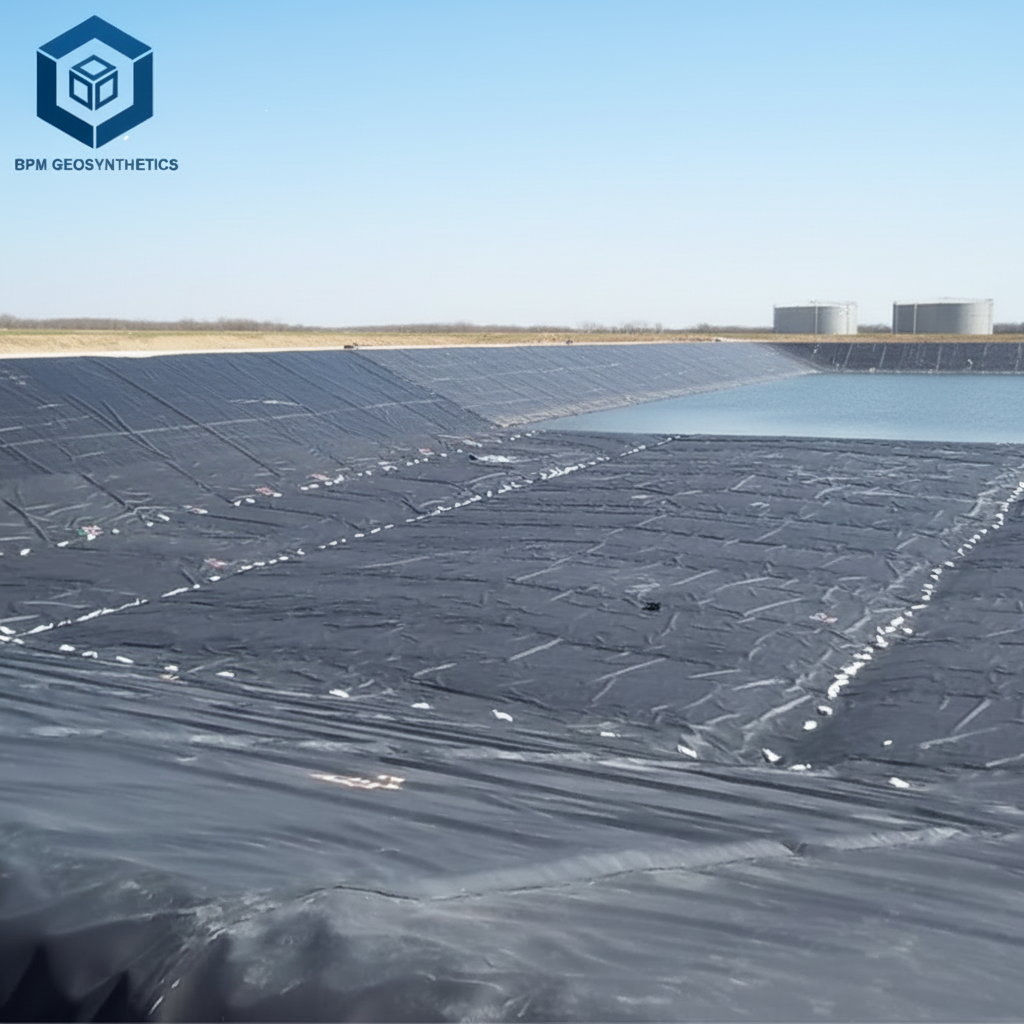
4. Comparison Table of Top 6 HDPE Pond Liner Sheets of 2026
This table facilitates rapid comparison of key specifications and features for informed project alignment.
5. Buying Advice for HDPE Pond Liner Sheets
When selecting an HDPE pond liner sheet, consider the following factors to ensure optimal performance and cost-effectiveness:
- Project Size and Shape: Choose a liner with appropriate thickness and width to minimize seams and installation time.
- Chemical Exposure: Select a liner with high chemical resistance if the pond will contain aggressive substances.
- UV Exposure: Opt for a liner with high UV stability for outdoor applications exposed to sunlight.
- Temperature Range: Ensure the liner remains flexible and durable within the expected temperature range of the pond’s location.
- Installation Ease: Consider the liner’s weight, width, and flexibility to facilitate handling and seaming during installation.
- Environmental Compliance: Verify that the liner meets relevant environmental regulations and is non-toxic to aquatic life.
6. Final Thoughts
The top 6 HDPE pond liner sheets of 2026, led by Solmax for overall performance and BPM Geosynthetics for value, provide engineers and pond owners with reliable solutions for water conservation and ecosystem protection. By carefully considering project requirements and selecting the appropriate liner, you can ensure long-term pond integrity and minimal maintenance costs. Consult with certified distributors and experts to tailor the liner selection to your specific needs and secure a durable, impermeable solution for your pond.
Get Instant Quote
As geosynthetics specialists, we advocate for premium HDPE pond liner sheets that offer unmatched performance and reliability. Reach out for bespoke sourcing or project consultations to ensure your pond’s success.