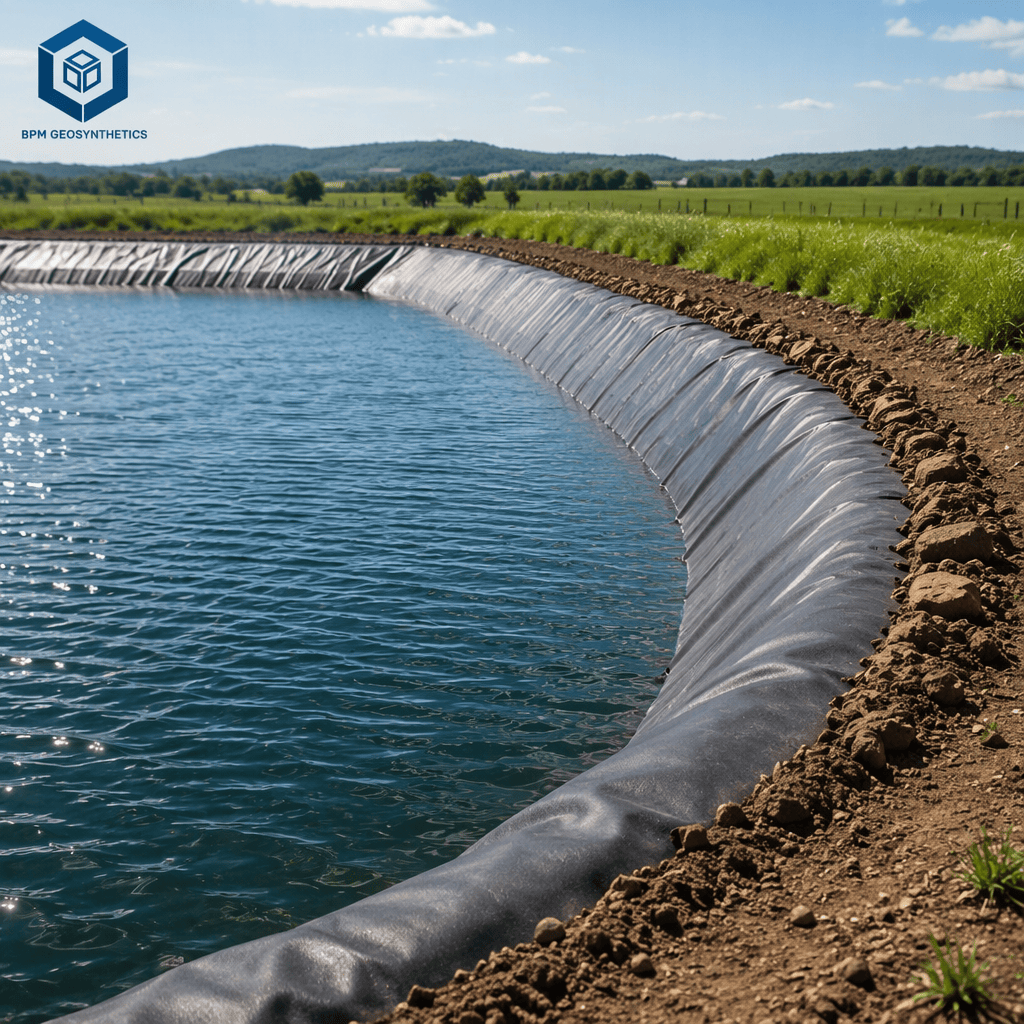
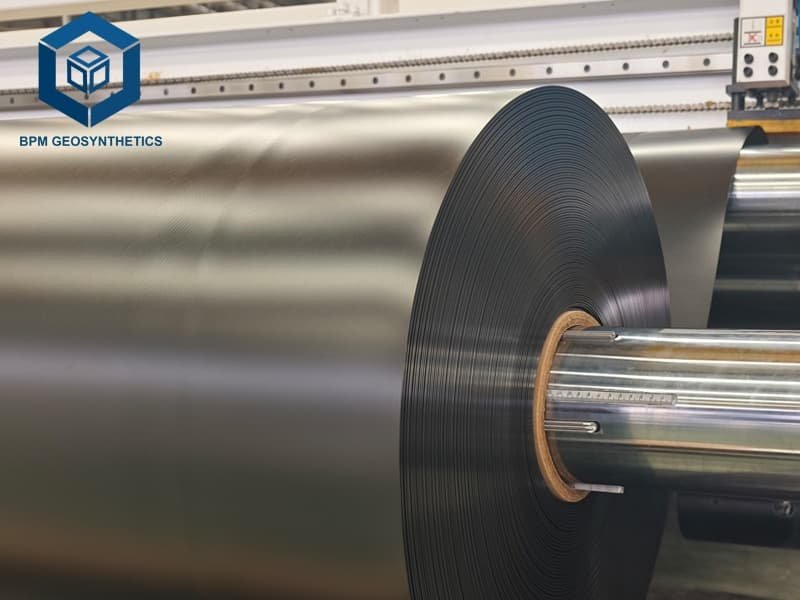
In the world of environmental containment and civil engineering, High-Density Polyethylene (HDPE) impermeable membranes stand as the undisputed champions of fluid control. As we move through 2026, the demand for these geomembranes continues to surge, driven by stricter environmental regulations and a global push for sustainable infrastructure.
To help you navigate the market, we have analyzed dozens of products based on tensile strength (ASTM D6693), puncture resistance (ASTM D4833), UV resistance (ASTM D4355), and real-world project data. Here are the 8 best HDPE impermeable membranes available in 2026.
1. Why HDPE Impermeable Membranes Dominate in 2026
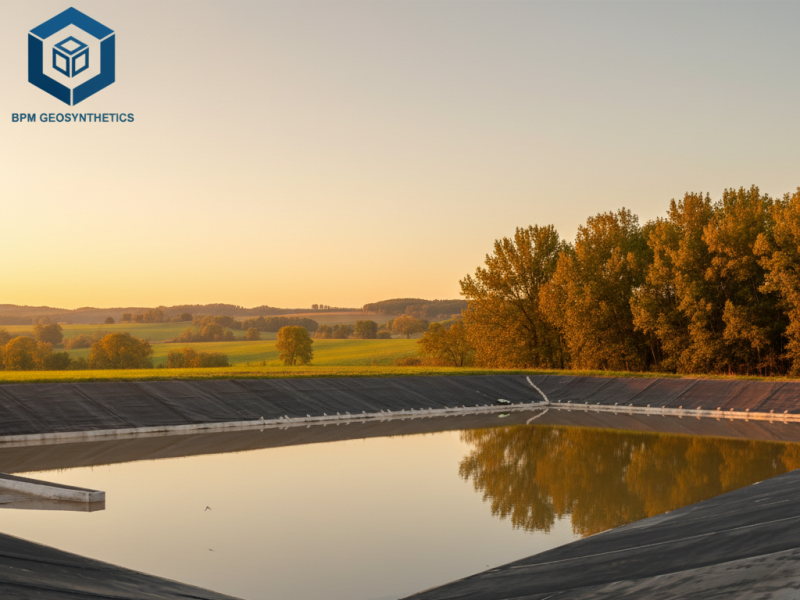
Before diving into the reviews, it’s essential to understand why HDPE has become the material of choice for anti-seepage applications. Unlike traditional materials like clay or concrete, HDPE geomembranes provide a flexible, yet durable, barrier.
The global HDPE anti-seepage geomembrane market is projected to grow significantly, reaching an estimated$2.51 billion by 2030. This growth is fueled by increasing mining activities and the rising number of green building certifications worldwide.
1.1 Environmental Protection
HDPE membranes are the last line of defense between harmful pollutants and clean groundwater. In landfill applications, they sequester leachate and prevent aquifer contamination, saving millions in potential environmental remediation costs.
1.2 Chemical Resistance
One of the standout features of HDPE is its inertness. It withstands contact with a wide range of chemicals, typically resisting 90% of corrosive agents within a pH range of 2 to 13.
2. Key Features to Look For
Choosing the best membrane requires looking beyond the price tag. Here are the critical specifications you should demand from any supplier in 2026.
2.1 Hydraulic Conductivity (Impermeability)
The primary job of these liners is to stop fluid migration. Look for a hydraulic conductivity equal to or less than 10⁻¹¹ cm/s (tested under ASTM D5887). This ensures that your containment system remains leak-proof over decades of service.
2.2 Mechanical Strength and Durability
Your membrane must survive the stresses of installation and the load of the contents. Top-tier membranes typically exhibit a tensile strength of 20–45 kN/m (ASTM D6693) and a puncture resistance of 2.5–4.0 kN (ASTM D4833).
2.3 UV and Stress Crack Resistance
For exposed applications, UV stability is non-negotiable. Premium geomembranes contain 2-3% carbon black to ensure70-80% retention of properties after significant UV exposure. Additionally, look for a Stress Crack Resistance of over 3,000 hours to ensure longevity.
3. The 8 Best HDPE Impermeable Membranes Reviewed
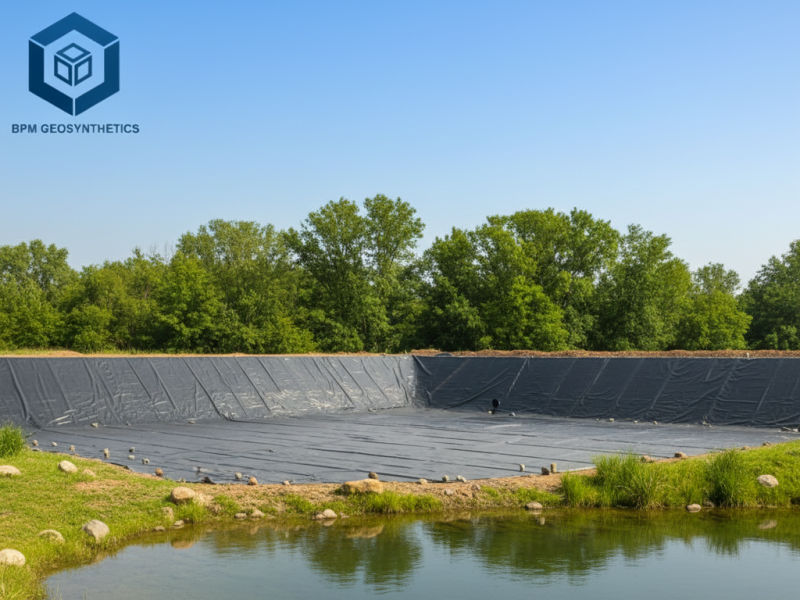
We have evaluated the top contenders in the market. These selections are based on adherence to GRI-GM13 standards, innovation, and application success rates.
3.1 Solmax GSE HDPE Membrane Liner
Category: High-Performance Containment
Best For: Large-scale landfills and mining operations.
Solmax, following its integration with GSE, remains a dominant force. Their HDPE liner utilizes seven-layer co-extrusion technology to ensure unparalleled uniformity.
Key Specs: Available in 1.0–2.5 mm thickness, Tensile Strength of 28 kN/m, Puncture Resistance of 3.2 kN.
Why It Stands Out: It features bimodal resin technology yielding over 3,000 hours of stress-crack resistance. Conductive variants are also available for spark-testing leak detection, extending project lifecycles by 50-100 years.
3.2 AGRU Kunststofftechnik GmbH
Category: Textured Slope Stabilizer
Best For: Steep slopes and dam lining.
Austrian-engineered AGRU liners are renowned for their precision flat-die extrusion process, which results in very low thickness tolerances.
Key Specs: Thickness up to 3.0 mm, Friction Angle >30° (due to textured surface), Puncture Resistance of 4.0 kN.
Why It Stands Out: The textured surface increases interface friction by up to 35%, preventing slippage on 1:2 inclines. It maintains stability in temperatures ranging from -60°C to 80°C.
3.3 Atarfil S.L.
Category: Environmental Engineering
Best For: Long-term projects requiring high durability.
Based in Spain, Atarfil produces premium HDPE geomembranes known for their superior durability and eco-friendly formulations.
Key Specs: Thickness range of 0.5–3.0 mm, High stress-crack resistance.
Why It Stands Out: Atarfil is often cited for lifespans reaching 50-100 years in specific applications. Their formulations prioritize environmental safety, making them a favorite in potable water and aquaculture projects across Europe.
3.4 NAUE GmbH & Co. KG
Category: Specialized Sealing Systems
Best For: Tunneling and hydraulic engineering.
The German manufacturer NAUE offers its “Carbofol” range, which is specifically engineered for challenging sealing applications.
Key Specs: High-quality weldability, available in various grades for tunnels and landfills.
Why It Stands Out: NAUE focuses heavily on the circular economy, offering solutions that combine sealing with reinforcement. Their technical support and installation quality control are industry benchmarks.
3.5 The Best Project Material Co., Ltd. (BPM Geosynthetics)
Category: Versatile All-Rounder
Best For: Cost-effective, high-quality solutions for global projects.
BPM has established itself as a reliable manufacturer, exporting to over 100 countries. They utilize advanced extrusion technology to meet international standards.
Key Specs: Smooth and Textured variants from 0.5 mm to 3.0 mm, Tensile Strength of 20-40 kN/m, certified under GRI-GM13 and ISO 9001.
Why It Stands Out: BPM offers a strong balance of quality and value. With an annual capacity of 80,000 tons and options for 20% recycled content, they provide competitive pricing and low MOQs without sacrificing SGS-tested quality. They also offer robust warranties of 20-50 years.
3.6 Carlisle Companies Incorporated
Category: Broad-Spectrum Solutions
Best For: Diverse applications from construction to waste management.
Carlisle is a massive player in the building materials space, and their HDPE offerings benefit from extensive R&D.
Why It Stands Out: Their products are widely available across North America, backed by massive logistical support. They serve a wide array of end-users, ensuring consistent quality across different batches.
3.7 Officine Maccaferri S.p.A.
Category: Sustainable Infrastructure
Best For: Large-scale civil engineering projects.
Recently strengthened by new investments, Maccaferri continues to innovate in the HDPE space, focusing on sustainable infrastructure solutions.
Why It Stands Out: They integrate their liner systems with other geosynthetics, providing complete solutions for erosion control and containment. Their expertise is backed by decades of experience in the construction industry.
3.8 Layfield Group
Category: Flexible Fabrication
Best For: Custom fabrications and floating covers.
Layfield stands out for its service capabilities and flexible solutions, particularly in the environmental sector.
Key Specs: HeatGard® Bimodal HDPE offering enhanced chemical resistance.
Why It Stands Out: They don’t just sell liners; they provide installation support and custom fabrication. Their materials are designed to minimize stress-cracking risks, making them ideal for potable water and complex wastewater ponds.
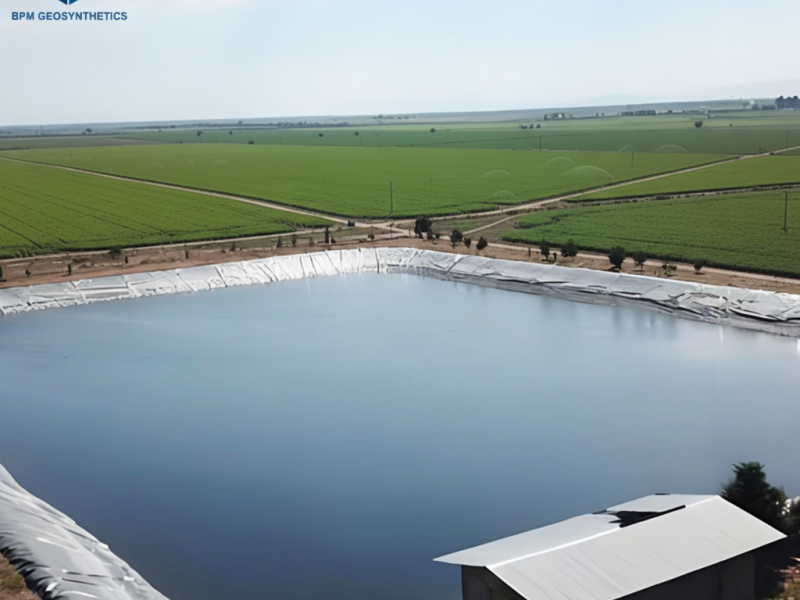
4. Comparative Analysis of Top Membranes
To simplify your decision, here is a quick breakdown of how these top contenders compare based on key selection criteria.
- For Extreme Durability & Longevity:AGRU and Atarfil lead the pack with their European engineering focus on long-term chemical resistance and slope stability. They are ideal for high-stakes infrastructure expected to last nearly a century.
- For Global Availability & Scale:Solmax (GSE) remains the go-to for massive multinational projects due to its enormous production capacity and established supply chains. It is a safe, bankable choice for landfill and mining expansions.
- For Best Value & Flexibility:BPM Geosynthetics offers a compelling mix of rigorous testing (SGS), customization (OEM/ODM), and cost-effectiveness. This makes them an excellent partner for projects that require high quality but also need to manage budgets carefully.
- For Specialized Applications:If you need a liner for a steep slope, AGRU’s textured surfaces are unbeatable. If you are lining a tunnel, NAUE’s Carbofol is a top-tier choice.
5. Installation Considerations for 2026
Even the best HDPE membrane will fail if installed poorly. Here are two modern trends to keep in mind.
5.1 Wide Rolls Reduce Seams
Manufacturers are increasingly offering rolls up to 8 meters wide. Choosing a wide roll can reduce the total number of seams by up to 20%, which speeds up installation time by roughly 15% and reduces potential leak points.
5.2 The Rise of Conductive Liners
For high-risk containment (like hazardous waste), consider conductive HDPE liners. These allow for 100% spark testing of the entire floor after installation, ensuring that even pinhole leaks are detected and patched before the site goes live.
6. Conclusion
The HDPE impermeable membrane market in 2026 offers robust solutions for every type of containment challenge. Whether you prioritize the ultra-long lifespan of European brands like AGRU and Atarfil, the massive scale and reliability of Solmax, or the high-value engineering of BPM Geosynthetics, the key is to match the liner’s specifications to your project’s specific chemical, physical, and regulatory demands.
Investing in a top-tier membrane reduces the total cost of ownership by minimizing maintenance and extending the structure’s life. By choosing any of the 8 options reviewed above, you are ensuring project integrity and environmental protection for decades to come.
Disclaimer: Prices and specific stock availability may vary by region. It is always recommended to request current quotes and material samples directly from the manufacturers or their authorized distributors before making a final purchasing decision.