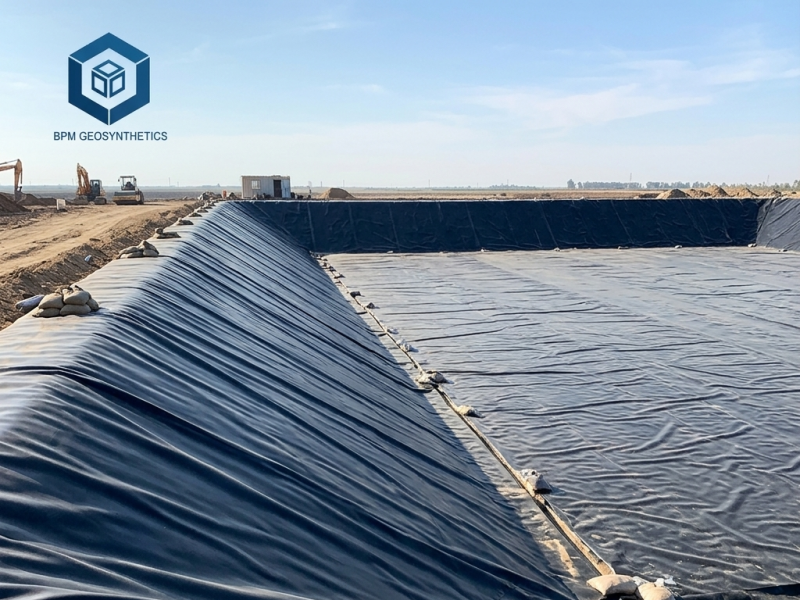
If you are planning a water containment project—whether for aquaculture, irrigation, landfill lining, or a decorative garden pond—selecting the right liner is critical to long‑term success. Among all geomembrane options, HDPE pond liner stands out as the most durable, cost‑effective, and environmentally resistant choice. This ultimate guide will walk you through everything you need to know before you buy, helping you make an informed decision when searching for HDPE pond liner for sale.
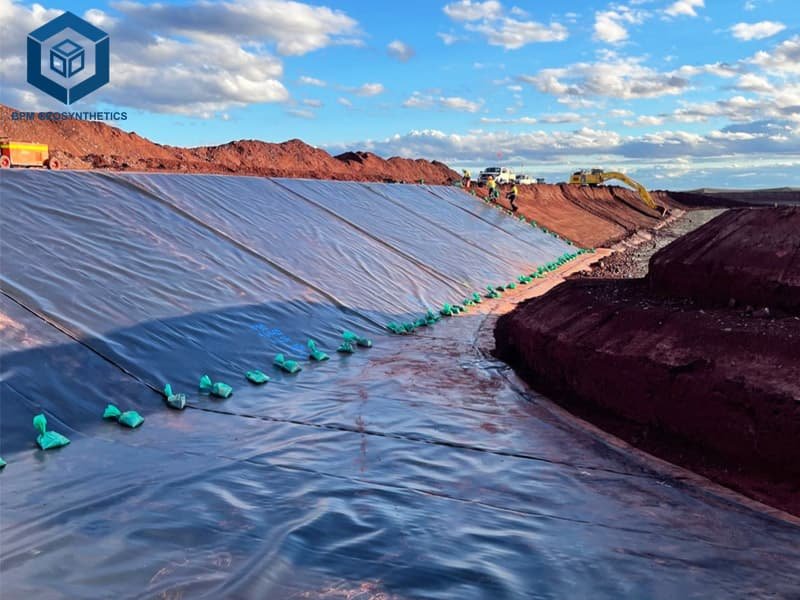
1. What Is an HDPE Pond Liner?
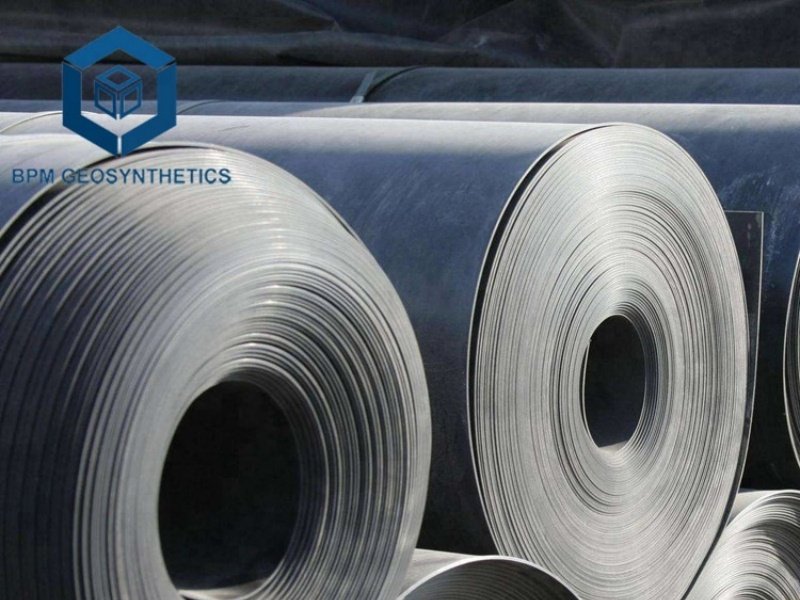
HDPE stands for High‑Density Polyethylene. An HDPE pond liner is a smooth, black geomembrane manufactured from polyethylene resin through a blown film or flat die extrusion process. It is widely used in civil engineering, agriculture, mining, and landscaping to prevent water seepage and control liquid containment.
Compared to other liners like PVC, EPDM, or LLDPE, HDPE offers superior chemical resistance, UV stability, and puncture resistance. Its density typically ranges from 0.94 to 0.96 g/cm³, giving it excellent mechanical strength while remaining flexible enough for moderate contouring.
Key characteristics:
Extremely low permeability (down to 1×10⁻¹² cm/s)
High tensile strength and elongation at break
Resistant to most chemicals, acids, and alkalis
Outstanding UV and weathering resistance
Available in thicknesses from 0.3 mm to 3.0 mm
Rolls from 3 m to 8 m wide for reduced seams
2. Why Choose HDPE Over Other Pond Liners?
When you see HDPE pond liner for sale, you might wonder how it compares to alternatives. Below is a quick breakdown:
HDPE vs. PVC:
HDPE has higher chemical resistance – ideal for industrial or wastewater applications.
HDPE is less flexible but much stronger against punctures and root penetration.
HDPE lasts 30+ years outdoors, while PVC can become brittle in sunlight.
HDPE vs. EPDM:
EPDM is more flexible for irregular shapes but costs 2–3 times more.
HDPE can be heat-welded for seamless joints; EPDM requires adhesives or tapes.
HDPE resists oils, fuels, and solvents; EPDM degrades in contact with hydrocarbons.
HDPE vs. LLDPE:
HDPE is stiffer and more abrasion-resistant.
LLDPE offers higher flexibility at low temperatures.
For static loads and steep slopes, HDPE performs better.
Therefore, for large ponds, commercial fish farms, mining heap leach pads, and landfill caps, HDPE is the undisputed industry standard.
3. Main Applications of HDPE Pond Liners
Understanding typical use cases helps you choose the correct thickness and specification. Common applications include:
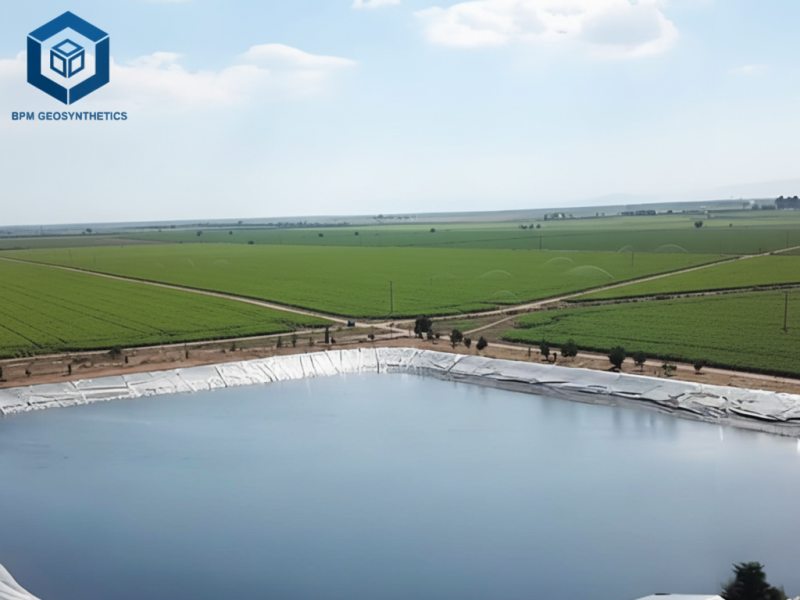
Agricultural ponds – irrigation reservoirs, livestock watering holes, and lined canals.
Aquaculture – shrimp ponds, fish hatcheries, and crab farms (non‑toxic, safe for aquatic life).
Wastewater treatment – lagoons, leachate ponds, and evaporation basins.
Industrial – chemical containment, oil spill control pits, and brine ponds.
Mining – heap leach pads, tailings storage, and process solution ponds.
Landfill – bottom liners and daily covers (meeting global geosynthetic standards).
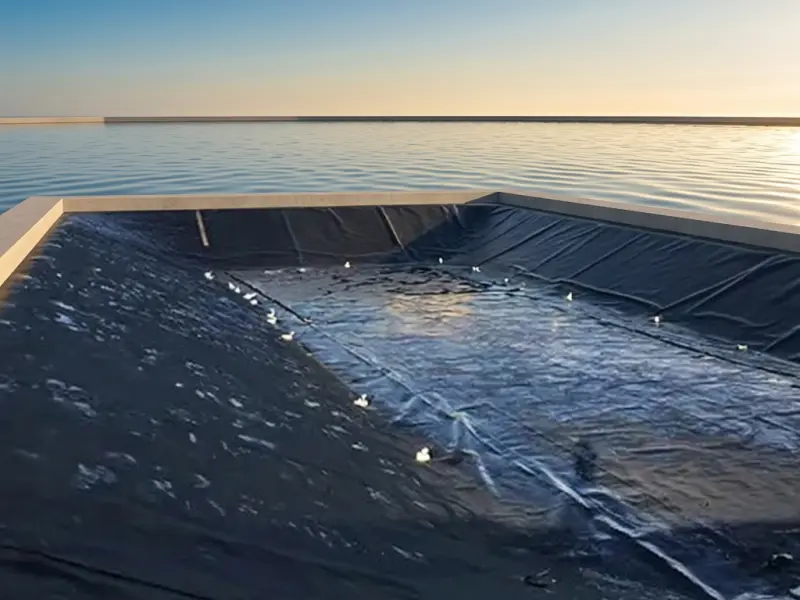
Landscaping – decorative garden ponds, golf course water hazards, and koi ponds.
Each application may require different thicknesses. For example, a small garden pond can use 0.5 mm HDPE, while a mining leach pad demands 1.5 mm or thicker.
4. How to Choose the Right HDPE Pond Liner for Sale
When browsing HDPE pond liner for sale, evaluate these factors to avoid costly mistakes.
4.1. Thickness
Thickness directly affects durability and cost.
0.3 – 0.5 mm: Temporary or light‑duty use (e.g., garden ponds).
0.75 – 1.0 mm: General agriculture and medium reservoirs.
1.0 – 1.5 mm: Aquaculture, wastewater, and moderate industrial use.
1.5 – 2.5 mm: Mining, landfill, and high‑impact applications.
3.0 mm: Extreme chemical or mechanical stress.
4.2. Material Grade
Three main grades:
Virgin HDPE – Highest uniformity, strength, and longevity. Recommended for critical projects.
Reprocessed (recycled) HDPE – Lower cost but reduced tensile properties. Only for non‑critical use.
Composite HDPE – Laminated with geotextile for added puncture protection.
Always ask the supplier for test reports (ASTM GRI GM13 or equivalent). Reputable manufacturers provide data on density, melt flow index, tensile yield, and carbon black content.
4.3. Texture
Smooth liner – Standard for most ponds. Easy to clean and weld.
Textured liner – One or both sides roughened to increase friction on slopes >20°. Ideal for landfill side slopes and steep embankments.
4.4. UV Additives
All genuine HDPE pond liners contain 2–3% carbon black for UV stabilization. Without it, the liner will crack within months under direct sun. Always verify UV resistance if the liner will be exposed.
5. Where to Find Quality HDPE Pond Liner for Sale
As a buyer, you can source from:
Local geosynthetic distributors – Fast shipping but higher price and limited thickness options.
Direct manufacturers – Best for bulk orders (thousands of square meters). Lower unit cost and custom widths.
Online B2B platforms – Many Chinese suppliers offer competitive HDPE pond liner for sale. Check their factory audits and customer reviews.
Specialized pond supply stores – Convenient for small projects (rolls cut to length).
Warning: Avoid extremely cheap liners—they often use excessive recycled content or calcium carbonate filler. A liner that fails after one year will cost you far more in replacement and downtime.
6. Installation Best Practices
Proper installation extends liner life by decades. Even the best HDPE pond liner for sale will leak if incorrectly laid.
6.1. Subgrade Preparation
Remove all rocks, roots, and debris.
Compact soil to at least 90% density.
Add a 100‑150 mm sand or geotextile cushion layer over sharp soils.
6.2. Laying and Unrolling
Unroll the liner on a calm, dry day (wind can cause misalignment).
Allow 3‑5% slack for thermal expansion and subgrade settlement.
For slopes, place the liner parallel to the slope direction.
6.3. Seaming
HDPE requires heat fusion (wedge or extrusion welding). Do not use glue or tape.
Overlap panels by 75‑100 mm.
Use a dual‑track welder for strong, pressure‑tested seams.
Non‑destructive testing (air channel test) every seam – recommended.
6.4. Anchoring
Bury the liner perimeter in an anchor trench (300 mm deep, 300 mm wide) backfilled with compacted soil. For concrete structures, use mechanical batten bars.
6.5. Protection
For foot traffic or machinery, place a 200‑300 mm protective cover (sand or geotextile) over the liner.
Avoid driving heavy vehicles directly on exposed HDPE.
7. Maintenance and Longevity
One major advantage of HDPE is its low maintenance requirement. However, periodic checks will prevent small issues from becoming disasters.
Inspect every 6‑12 months:
Look for punctures from falling branches or animal activity.
Check exposed edges for UV degradation (unlikely if properly covered).
Remove sharp debris that may have washed onto the liner.
Verify seam integrity if the water level drops unexpectedly.
Minor punctures can be repaired using a patch of the same HDPE material and an extrusion welder. For small leaks (e.g., from a stone), a simple hot‑air gun and patch suffice.
With good installation and care, an HDPE pond liner can last 30–50 years or more. Many landfill liners installed in the 1980s are still functioning perfectly.
8. Cost Factors – What Affects HDPE Pond Liner Pricing?
When comparing HDPE pond liner for sale, the price per square meter depends on:
Thickness (0.5 mm ~ $0.50–0.80; 1.5 mm ~ $1.50–2.50)
Quantity (small rolls cost more per m² than truckloads)
Virgin vs. recycled material (virgin is 20‑40% higher)
Width (wider rolls reduce seaming labor but cost more to ship)
Certification (ASTM/GRI tested liners command a premium)
Destination (shipping heavy rolls internationally is a significant factor)
Example estimate: For a 1,000 m² pond using 1.0 mm virgin HDPE, expect a liner cost of around $1,200–1,800, plus freight. Compare that to the cost of water loss or relining – HDPE pays for itself quickly.
9. Environmental Benefits
Surprisingly, HDPE pond liners contribute to sustainable water management:
They reduce groundwater contamination from chemicals or animal waste.
In drought‑prone regions, they cut evaporation loss by up to 90% compared to unlined ponds.
HDPE is inert and non‑toxic – safe for drinking water reservoirs (after proper certification).
At the end of life, HDPE can be recycled into new geomembranes or plastic products.
Thus, choosing a quality HDPE pond liner for sale is both an economic and ecological decision.
Conclusion:
Now that you have the complete picture, finding the right HDPE pond liner for sale becomes straightforward. Prioritize virgin material, adequate thickness for your application, and always request test certificates. Whether you run a commercial aquaculture farm, need a reliable irrigation reservoir, or build a backyard water feature, HDPE delivers unmatched performance.
For bulk purchasing, contact established manufacturers directly. Provide them with your pond dimensions, slope angles, and water chemistry details (if storing chemicals). A trustworthy supplier will guide you to the exact liner specification and may even offer free seam samples.
Don’t cut corners on containment – invest in HDPE and enjoy decades of leak‑free operation. Start your project today by requesting quotes from three verified HDPE liner suppliers. Compare thickness, warranty terms, and delivery lead times. Your pond’s long‑term health depends on the liner you choose now.