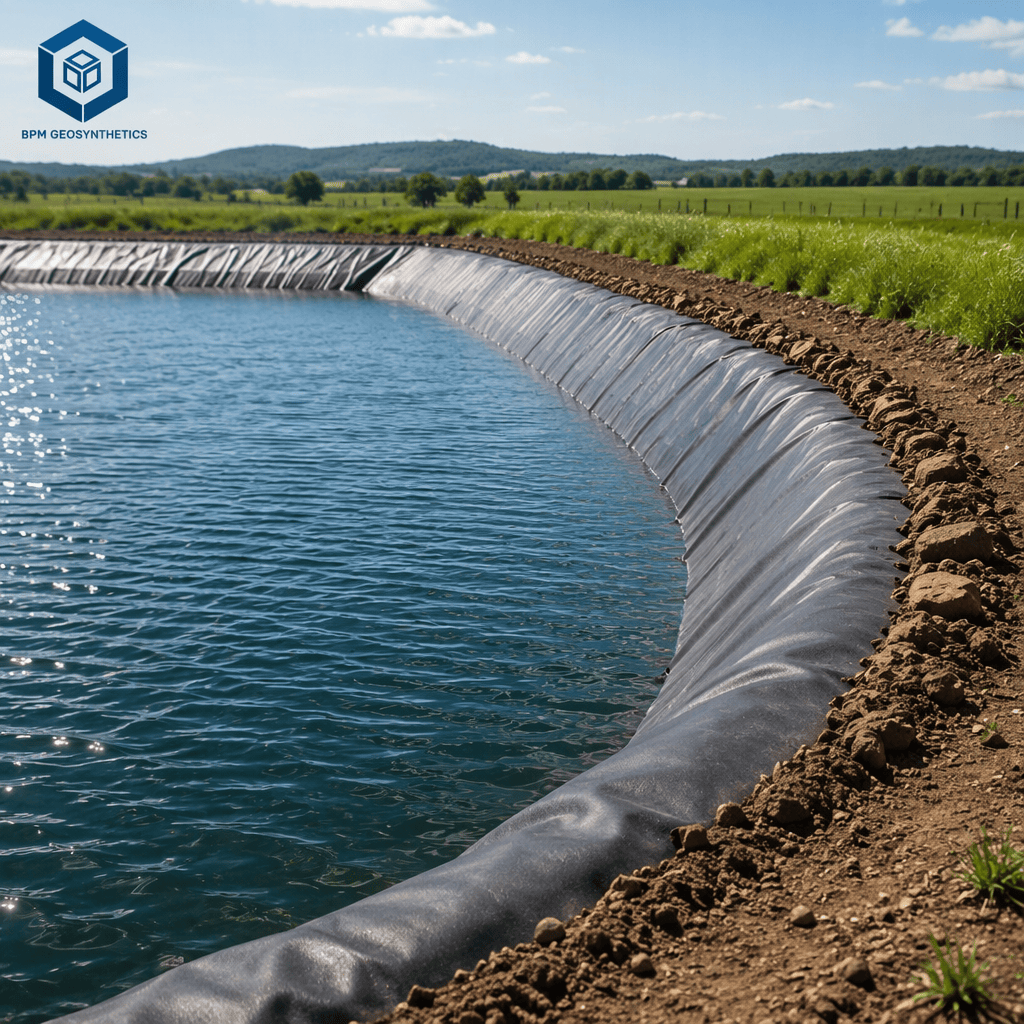
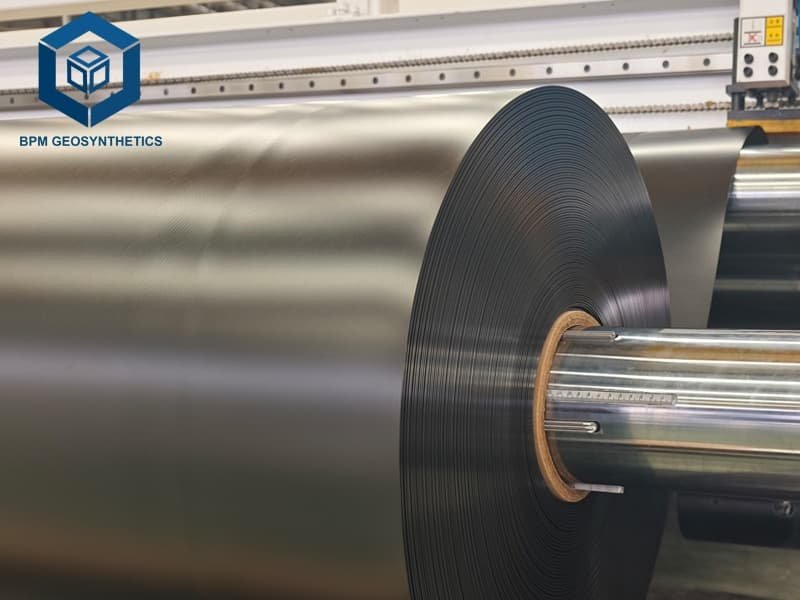
You seek high-performance containment solutions. You often find the term “Membrana HDPE 2mm”. 2mm HDPE geomembranes are ideal geosynthetic materials. They beat thin liners in strength and chemical durability. They cost less and flex better than thick, heavy liners. Engineers use them for landfills, ponds, and farm reservoirs. Proper installation lets these barriers last 50 years or more.
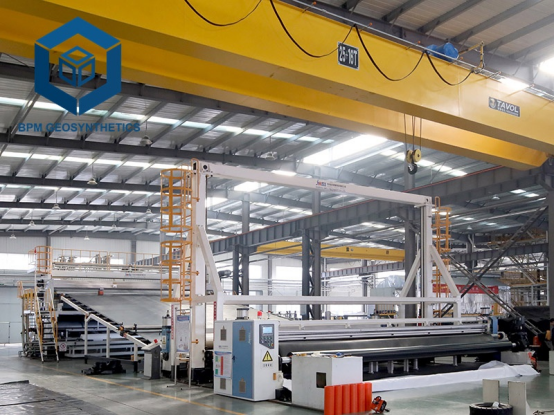
Why 2mm HDPE Membranes Are the Industry Standard
Mechanical and Chemical Superiority
Professionals favor 2mm HDPE for critical containment work. Premium liners deliver stable low hydraulic conductivity. They offer strong tensile strength and puncture resistance. They also provide excellent elongation performance. Brands add 2–3% carbon black for solid UV protection. Liners keep most properties after decades of outdoor use. The 2mm thickness balances strength and easy installation. Most civil and environmental projects adopt this standard.
Growing Market Demand and Reliability
Global demand for 2mm HDPE geomembranes stays strong. The market value reached 2.0–2.9 billion USD in 2025–2026. Experts predict growth to 3.6–4.5 billion USD by 2030–2035. New infrastructure projects and strict rules drive market growth. HDPE liners effectively stop groundwater contamination. They resist acids, alkalis and extreme physical stress. These advantages make HDPE a trusted industry barrier material.
Top 8 Membrana HDPE 2mm Products
Elite Performance Leaders – Products 1 to 4
1. BPM Geosynthetics Smooth HDPE Geomembrane – Best Overall
BPM Geosynthetics consistently ranks as the top overall choice for projects requiring proven quality, strong technical performance, and competitive pricing. Their Smooth HDPE Geomembrane is manufactured from 100% virgin resin with 2.5% premium carbon black for UV stability. Available in thicknesses ranging from 0.5 mm to 3.0 mm, the 2mm variant delivers tensile yield strength of 15–55 kN/m, puncture resistance of 300–1,200 N, and elongation of ≥700%. BPM’s liners meet or exceed GRI‑GM13 standards and are backed by third‑party testing. The company offers wide rolls up to 8–10 metres, reducing field seams and installation time. For most buyers seeking a balance of quality, availability, and value, BPM is the benchmark.
2. Solmax (GSE) HDPE Geomembrane – Best Global Supply Chain
Solmax owns GSE and sets global industry benchmarks. Engineers treat their liners as premium gold-standard products. It uses high-grade virgin resin for strong crack resistance. Its 2mm liners deliver steady puncture resistance for containment tasks. It offers multiple thickness options for flexible project use. Solmax charges premium market prices for its products. It excels in large landfills and complex mining projects. It guarantees long-term stability and full regulatory compliance.
3. Agru America HDPE Geomembrane – Best Extreme Puncture Resistance
Agru America dominates harsh, rocky mining job sites. Its 2mm liner provides industry-leading puncture resistance. It maintains a stable structure under harsh physical pressure. The SureGrip series features functional textured surface designs. These textures boost friction and improve overall slope stability. Engineers use these liners for steep slopes and landfill caps. Skilled workers deliver precise welding for textured models. The stability benefits fully justify construction investment.
4. GSE UltraFlex HDPE Membrane – Best Low‑Temperature Flexibility
GSE UltraFlex excels in extremely low-temperature environments. It retains full structural flexibility at -50 degrees Celsius. Cold-region and high-altitude projects rely on this liner. It resists long-term UV exposure and material degradation. It fits reservoirs, pits, and cold-region aquaculture systems. Premium virgin resin and carbon black enhance its durability. It delivers stable UV and oxidation resistance year-round.
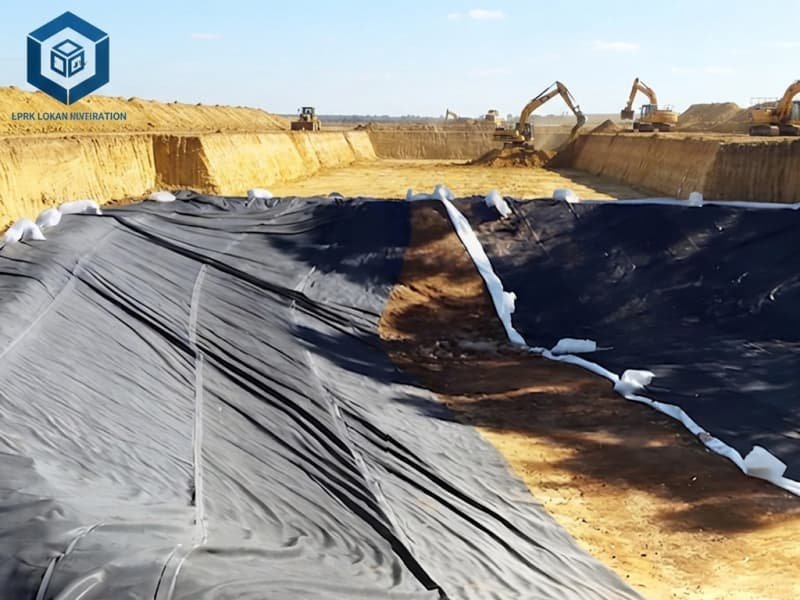
Value‑Focused Alternatives – Products 5 to 8
5. Plastika Kritis HDPE Geomembrane Liner – Best Customisation & OEM
Greek brand Plastika Kritis owns decades of production experience. It provides flexible OEM and ODM customization services. It serves diverse global infrastructure construction projects. Its 2mm liner uses pure resin and high-purity carbon black. This formula ensures strong UV and oxidation stability. It holds ISO and GRI certifications with strict third-party tests. It adjusts sizes and textures for unique project demands. Stable supply chains win global engineering team trust.
6. Layfield Enviro Liner 6000 Series – Best Budget Option
Layfield 6000 Series suits all budget-sensitive projects. It improves tensile performance for general containment work. It balances affordable pricing and reliable durability. It cannot match top-tier puncture resistance or premium certifications. It works perfectly for regular and low-demand job sites. Farmers and small industrial users favor this cost-effective liner. It meets basic ASTM and GRI industry standards fully.
7. JUTAE HDPE Geomembrane – Best for Mining Applications
Korean brand JUTAE focuses on professional mining geomembranes. It mixes pure resin and premium carbon black for raw materials. Its 2mm liners resist UV rays and outdoor aging well. They outperform thin liners in puncture and crack resistance. They handle construction impact and chemical erosion easily. All products pass standard ASTM and GRI industry tests. They stay stable for decades in mining containment zones. They greatly improve overall mining operation safety levels.
8. Sotrafa (Alvatech) HDPE Geomembrane – Best European Engineering
Sotrafa operates under Alvatech in select global markets. It delivers high-precision European engineering standards. Its liners meet strict European environmental regulations. The 2mm model offers great chemical resistance and weldability. It gains popularity across Europe, Asia, and the Middle East. It focuses on full product traceability and complete quality files. Project teams select it for EU-standard compliance needs.
How to Choose the Right 2mm HDPE Membrane
Assessing Application and Site Conditions
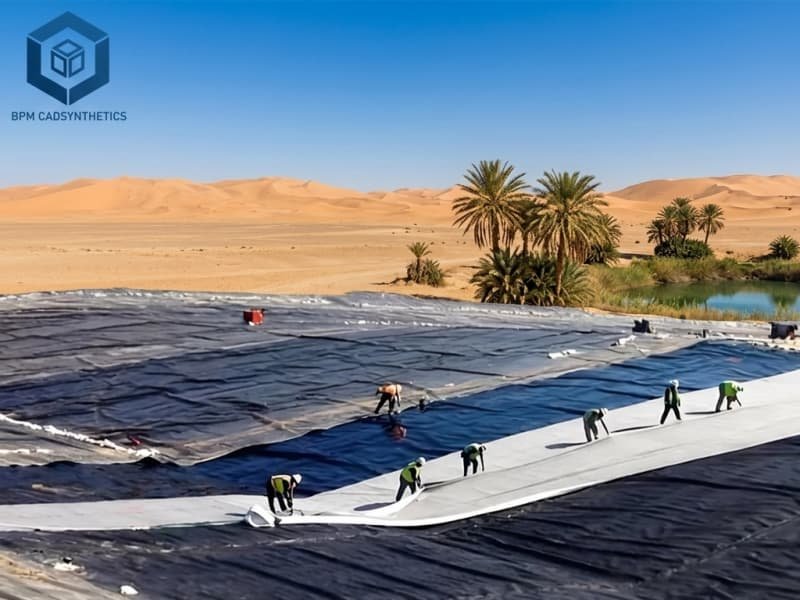
HDPE membrane selection depends on project type, site terrain, and budget. Landfills and hazardous waste sites require full GRI‑GM13 compliance, while mining projects need superior puncture and stress crack resistance. Agricultural and aquaculture works prioritize UV stability and non-toxicity. Rocky ground demands heavy-duty liners, and steep slopes suit textured membranes for better friction. Smooth liners enable easier welding and lower installation costs. In terms of procurement, BPM and Layfield offer cost-effective bulk solutions; Solmax and GSE deliver premium reliability for critical projects; Plastika Kritis specializes in custom and OEM orders.
Verifying Technical Specifications
Always confirm the selected liner meets GRI‑GM13 and ASTM industry standards. Core qualified metrics include: ±5–10% thickness tolerance, density ≥0.94 g/cm³, tensile yield ≥15–22 kN/m, puncture resistance ≥500–800 N, 2–3% carbon black content, and OIT ≥100 minutes, supporting a 50–100-year service life. It is essential to obtain official mill test reports and conduct third-party batch verification when possible. Professional seam testing and certified installation are mandatory, as substandard welding and anchoring will compromise overall liner performance.
Final Verdict
Product Strength Overview
Each 2mm HDPE membrane features distinct niche advantages for targeted scenarios. BPM offers the best all-around performance and value. Agru America delivers superior puncture resistance for harsh terrain. GSE UltraFlex is optimized for extreme low-temperature environments. Solmax serves large-scale, high-standard critical containment projects. Plastika Kritis excels in customized and OEM solutions. Layfield provides reliable, budget-friendly options. JUTAE specializes in mining-grade durability. Sotrafa delivers precision European-standard manufacturing. Optimal selection depends on matching product strengths to specific project requirements.
Key Procurement & Installation Tips
A high-quality 2mm HDPE liner delivers long-term leak-free protection for environmental containment projects. Always cooperate with professional geotechnical engineers and certified installers to match materials to site conditions. Verify full product test reports and conduct on-site weld trials before formal construction. Reserve a contingency budget for subgrade preparation and repairs, as project success relies on standardized design, precise installation, and continuous site monitoring, rather than membrane quality