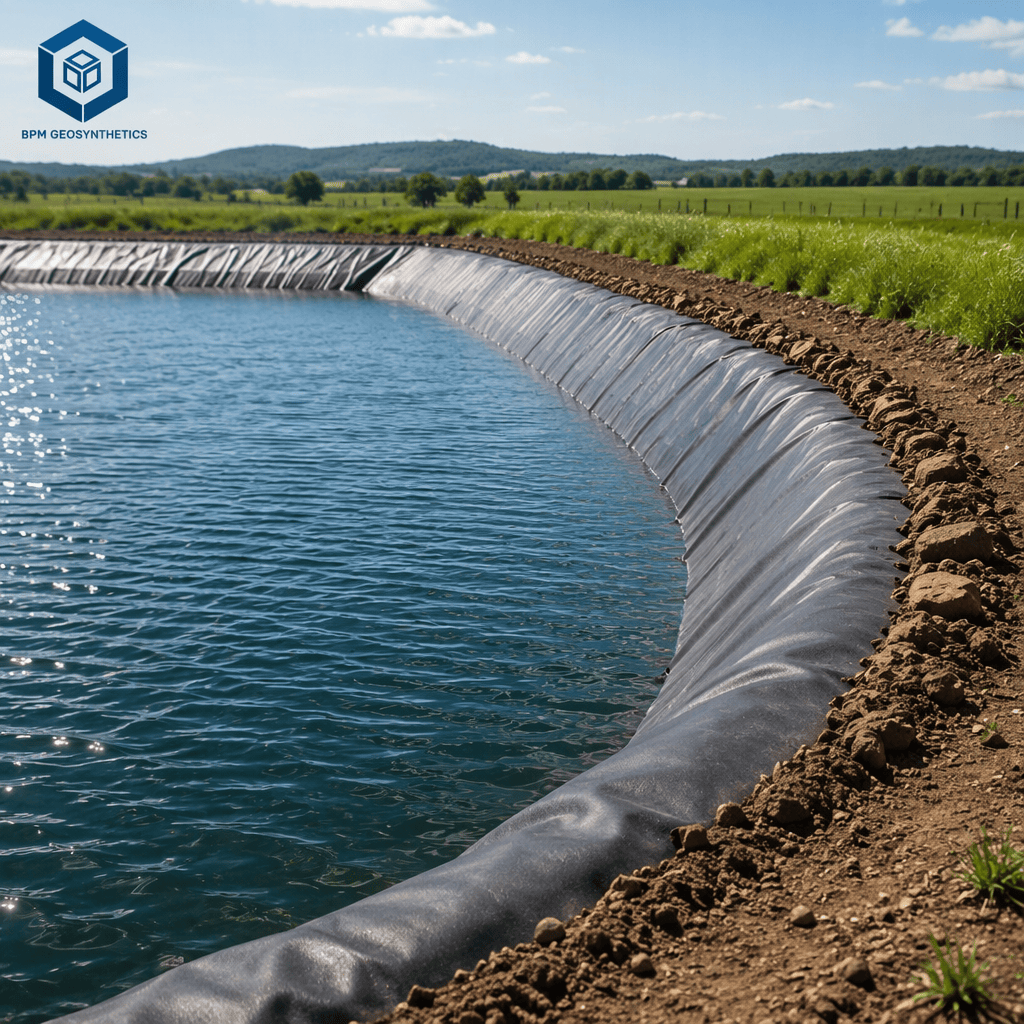
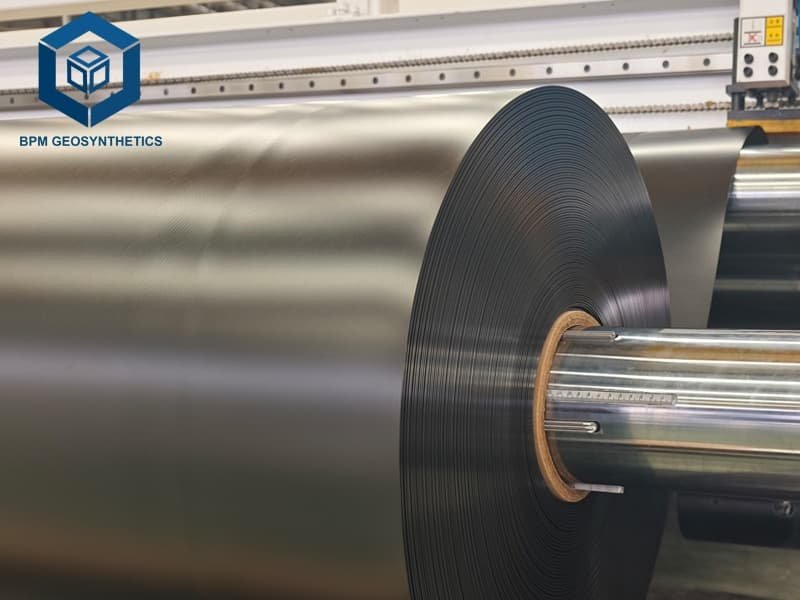
When it comes to modern road construction, the unsung heroes beneath the asphalt often determine a project’s lifespan. Geomembranes—synthetic membrane liners—have revolutionized civil engineering by providing impermeable barriers that control moisture, reinforce subgrades, and extend pavement service life. But with dozens of options on the market, which geomembranes actually deliver results?
This curated list breaks down the 7 best geomembranes in road construction based on field performance, tensile strength, chemical resistance, and cost-effectiveness. Whether you’re building a mountain highway or an urban arterial, these materials deserve serious consideration.
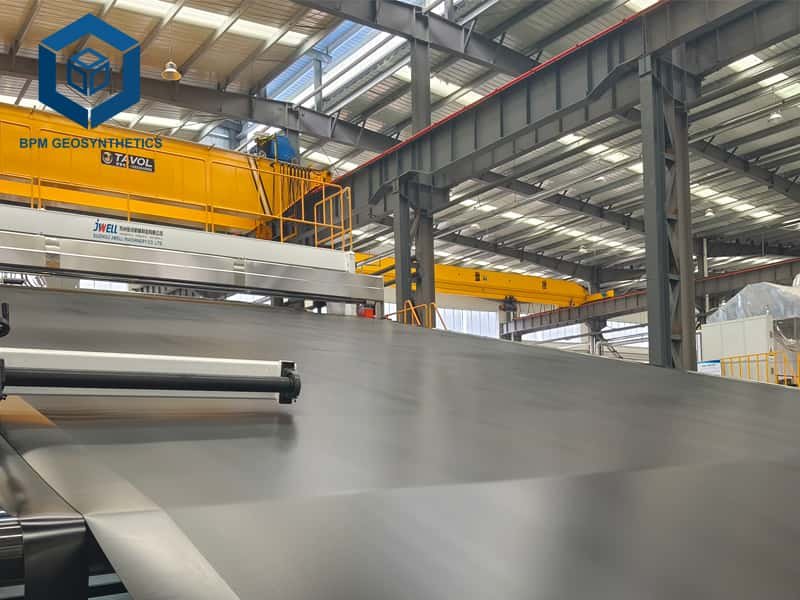
Why Geomembranes Matter in Road Infrastructure
Before diving into the list, it’s worth understanding why geomembranes have become indispensable. Traditional road designs often fail prematurely due to water infiltration, frost heave, or subgrade contamination. Geomembranes solve these issues by:
- Preventing capillary rise of groundwater
- Blocking chloride and sulfate attack on concrete bases
- Reducing reflective cracking in asphalt overlays
- Serving as vapor barriers in cold regions
- Acting as separation layers between soft subgrades and granular fill
Now, let’s explore the top performers.
Top 7 Geomembranes for Road Construction
1. Smooth High-Density Polyethylene (HDPE) Geomembrane
Best for: Highway subgrade protection and pond liners beneath roads
Smooth HDPE remains the gold standard in road construction. Its molecular structure provides exceptional chemical resistance, making it ideal for projects crossing contaminated sites or saline environments. With a typical thickness of 1.0 to 2.5 mm, smooth HDPE offers:
- Tensile strength exceeding 25 kN/m (ASTM D6693)
- Outstanding puncture resistance
- Service temperature range from -60°C to 80°C
- 50+ year design life when properly installed
For highway departments dealing with expansive soils, smooth HDPE acts as a moisture barrier that prevents seasonal volume changes—directly reducing maintenance costs.
2. Textured High-Density Polyethylene (HDPE) Geomembrane
Best for: Sloped applications and steep embankments
When your road alignment includes steep side slopes or retaining walls, textured HDPE is the clear winner. The roughened surface—achieved through co-extrusion or lamination—develops friction angles of 25° to 35° with compacted soils.
Key advantages:
- Superior interface shear strength prevents sliding
- Available with single or double-sided textures
- Compatible with geogrid reinforcement
- Excellent for landfill access roads and mountain highways
Textured HDPE particularly shines in seismic zones where slope stability is non-negotiable.
3. Linear Low-Density Polyethylene (LLDPE) Geomembrane
Best for: Flexible applications and irregular subgrades
LLDPE offers greater flexibility than HDPE due to its branched molecular structure. This makes it the preferred choice for:
- Roadways over settlement-prone areas
- Tunnels and culvert installations
- Temporary haul roads
- Projects requiring rapid deployment
LLDPE’s elongation at break often exceeds 600% (ASTM D6693), allowing it to conform to uneven surfaces without stress cracking. While its tensile strength is slightly lower than HDPE, its puncture resistance in real-world conditions frequently outperforms stiffer materials.
4. PVC (Polyvinyl Chloride) Geomembrane
Best for: Bridge deck waterproofing and concrete slab protection
PVC geomembranes have been used in road construction for over four decades, particularly for waterproofing concrete bridge decks and below-grade structures. Modern formulations plasticize PVC for flexibility while maintaining:
- Dielectric strength for cathodic protection systems
- Excellent adhesion to concrete surfaces
- Seam strength equal to parent material (solvent-welded)
- Cost advantage over polyolefin options
However, PVC is less suitable for high-temperature pavements or areas with organic solvents. For temperate climates, it remains a reliable workhorse.
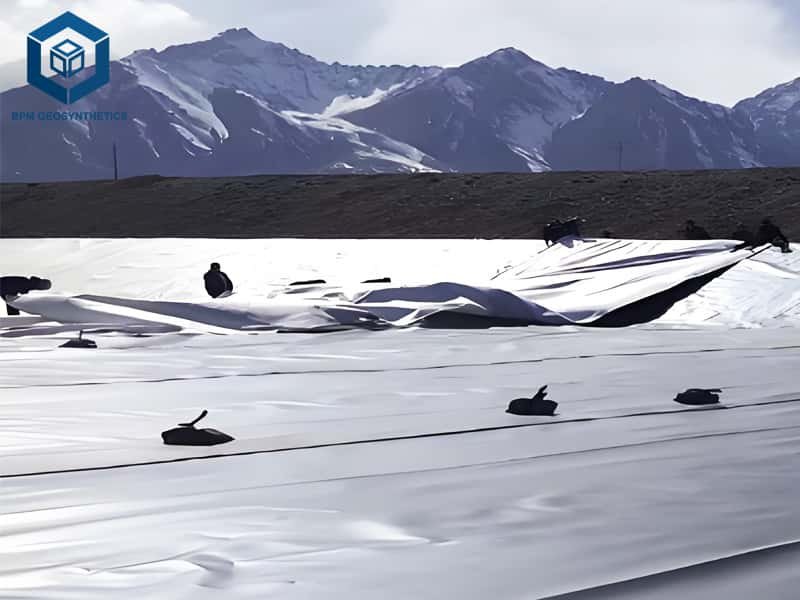
5. EPDM (Ethylene Propylene Diene Monomer) Geomembrane
Best for: Expansion joints and movement-prone sections
EPDM rubber geomembranes bring unmatched elasticity to road construction. With elongation capacities of 300% to 400% and recovery properties that absorb cyclic movement, they excel at:
- Bridge expansion joint waterproofing
- Pavement transitions between rigid and flexible sections
- Sealing around utility penetrations
- Cold-weather construction (flexible down to -45°C)
While more expensive per square meter than polyethylene, EPDM’s fatigue resistance often justifies the premium for high-stress applications.
6. Composite Geomembrane (Geotextile/Geomembrane Laminate)
Best for: Drainage-integrated road sections
Composite geomembranes bond a geomembrane core to one or two geotextile layers. This hybrid design delivers three functions simultaneously:
- Impervious barrier (the membrane core)
- Filtration and drainage (the textile layers)
- Puncture protection during placement
For road construction over soft soils, composites prevent pumping of fines while allowing excess pore pressure to dissipate. They’re particularly effective in:
- Highway shoulders and medians
- Underdrainage systems
- Embankment widening projects
The textile layer also simplifies installation by protecting the membrane from angular aggregate damage.
7. Conductive Geomembrane (with Carbon-Based Layers)
Best for: Leak detection and smart road monitoring
This emerging category incorporates conductive carbon particles into the polymer matrix, enabling real-time leak detection via electrical resistivity tomography (ERT). While initially developed for environmental applications, conductive geomembranes now support:
- Early warning systems for subgrade saturation
- Integrity testing during and after construction
- Monitoring of deicing salt penetration
- Integration with structural health monitoring (SHM) systems
For toll roads and critical infrastructure, the upfront cost is offset by predictive maintenance capabilities.
How to Choose the Right Geomembrane for Your Project
Selecting among these seven geomembrane options requires evaluating the following key factors to match materials to project demands:
- Subgrade conditions – Soft clays demand flexibility; rocky fills require puncture resistance.
- Climatic extremes – UV exposure, freeze-thaw cycles, and thermal expansion all matter.
- Construction method – Mechanically anchored systems favor textured sheets; welded seams prefer smooth HDPE.
- Design life – Permanent highways justify premium materials; temporary haul roads can use recycled-content geomembranes.
- Chemical environment – pH extremes, hydrocarbons, and chlorides dictate polymer selection.
- Budget constraints – Include installation and seaming costs, not just material price.
Installation Best Practices for Road Geomembranes
Even the best geomembrane fails without proper installation. Follow these standardized guidelines to ensure construction quality:
- Subgrade preparation – Remove sharp objects and compact to 95% standard Proctor density.
- Seaming protocols – Thermal fusion for HDPE/LLDPE; solvent welding for PVC; adhesive bonding for EPDM.
- Anchoring systems – Use trenches, concrete deadmen, or mechanical fasteners as per design.
- Protection layers – Place geotextile cushioning or 150–200 mm of granular fill before paving.
- Testing – Conduct nondestructive air channel testing and vacuum box testing on all field seams.
Cost-Benefit Analysis: Are Premium Geomembranes Worth It?
A 2023 FHWA study found that highways incorporating geomembranes showed 62% less cracking and 40% longer service intervals compared to conventional designs. While initial material costs range from $2–$8 per square meter, the lifecycle savings—from reduced patching, shorter lane-closure durations, and minimized user delays—often produce benefit-cost ratios exceeding 4:1.
For heavily trafficked freight corridors, the case becomes even stronger. Every day of pavement closure costs millions in economic disruption; geomembranes keep roads open longer.
Conclusion
Selecting the ideal geomembrane from the seven optimal options for road construction is not about finding a single “perfect” material—it’s about matching polymer properties to project-specific challenges. Smooth HDPE offers unmatched reliability for most applications, while textured variants solve slope stability puzzles. LLDPE flexes where others crack, and PVC remains cost-effective for bridge works. Specialized options like EPDM, composites, and conductive membranes address niche demands that improve overall system performance.
As road agencies face climate volatility, heavier truck loads, and tighter maintenance budgets, geomembranes provide a scientifically proven path to resilient infrastructure. By incorporating these seven materials into your design toolkit, you’re not just building roads—you’re building assets that last.
Need help selecting the right geomembrane for your next road project? Consult with certified geosynthetic engineers and always conduct site-specific laboratory testing. The best material on paper may not be the best in your ground conditions.