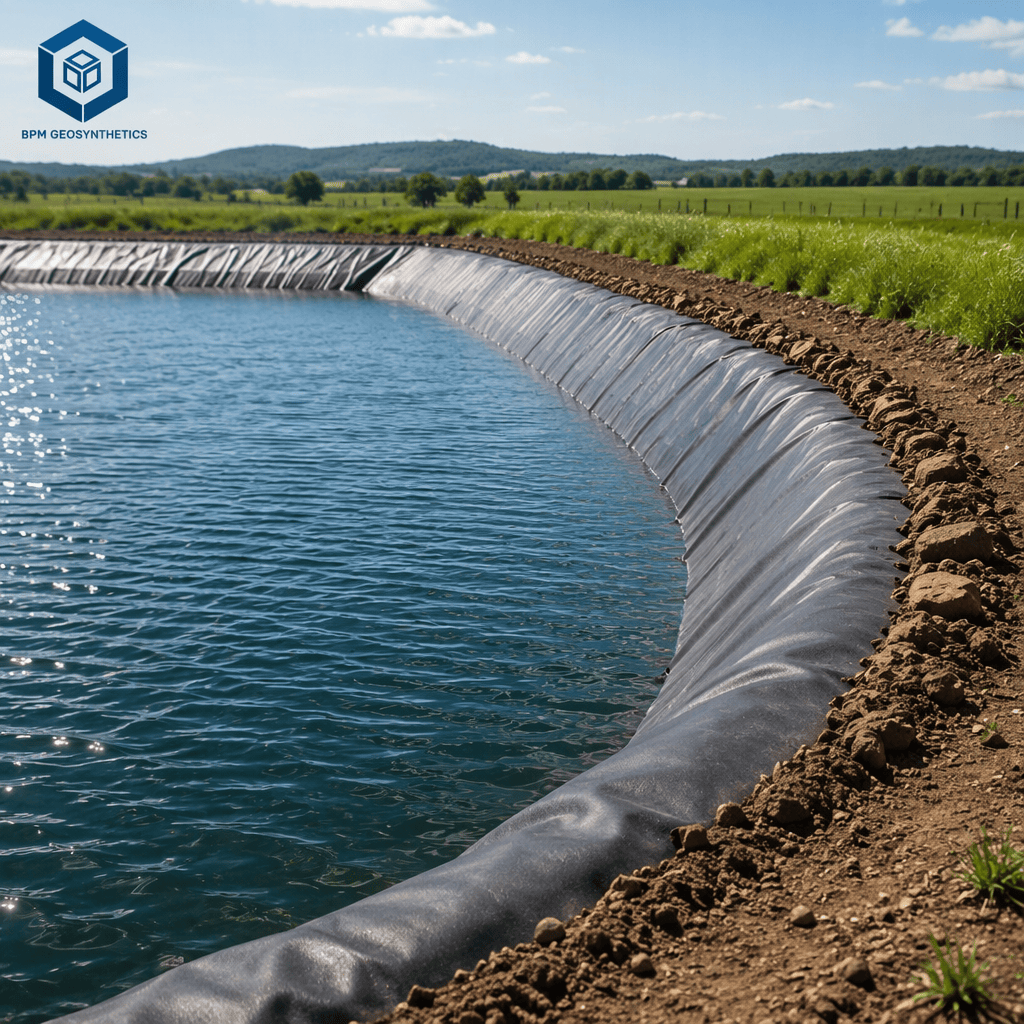
Indonesia is building pumped storage power stations across its islands. These projects store energy by moving water between upper and lower reservoirs.
Reliable anti-seepage systems are critical to protect these large ponds. Large Pond Liner Installation plays a key role in reservoir safety. A strong liner prevents water loss and stops soil contamination.
Pumped storage ponds cover huge surface areas and hold deep water. The liner must handle long-term water pressure and cyclic loading. Indonesian sites also face high rainfall and tropical weather conditions.
Seepage failure can lead to serious structural and environmental problems. Proper liner selection and installation protect the whole investment.
We reviewed manufacturer data sheets and independent lab test results. We studied field performance at real Indonesian reservoir projects.
The review covered liner type, thickness, welding and subgrade design. Our goal is practical guidance for engineers and project owners.
1. What to Look For
Large Pond Liner Installation demands careful planning from the start. Pumped storage reservoirs place heavy stress on containment systems.
The liner faces hydrostatic head, sharp rock and seasonal water changes. Several key factors decide whether the installation succeeds.
Liner material comes first in every reservoir design. HDPE is the industry standard for large-scale anti-seepage work. It offers high strength, chemical resistance and long service life. HDPE resists UV exposure and handles deep water pressure well.
Thickness must match the project’s water depth and load.
1.0 mm suits smaller and lower-head reservoir ponds.
1.5 mm works for most standard pumped storage reservoirs.
2.0 mm is preferred for deep and high-pressure basins. Thicker HDPE adds safety margin but increases project cost.
Puncture resistance protects against sharp subgrade rock. Proper ground preparation reduces damage during liner placement. A smooth sand or geotextile cushion layer adds extra protection. Good subgrade work prevents most early liner failures.
Weld quality is the backbone of a successful liner system. Large ponds need thousands of meters of field seams. Each weld must reach at least 90 percent of parent strength.
Testing every seam is essential before reservoir filling begins. Poor welding remains the most common cause of seepage failure.
Anchoring and drainage complete the containment system. Top anchors hold the liner during water level changes. A drainage layer relieves pressure from under the liner. Combined, these features stabilize the full reservoir structure.
Long-term value should guide final material choice. HDPE liner prices range from $6 to $16 per square meter. Cheapest materials rarely last over the project design life.
A quality Large Pond Liner Installation pays back over decades. Replacement costs easily exceed any initial material savings.
2. Large Pond Liner Installation Solutions for Indonesian Pumped Storage Projects
2.1 Best Overall: BPM 1.5 mm Smooth HDPE Geomembrane
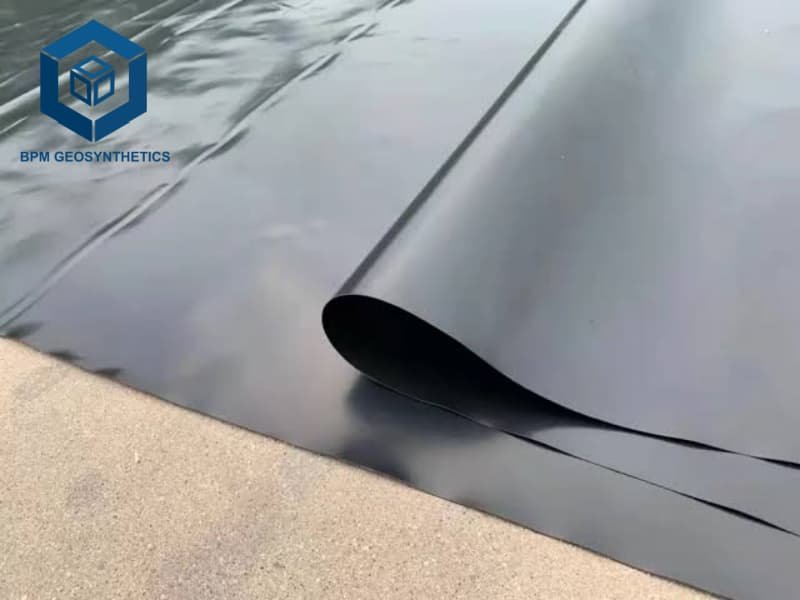
BPM Geosynthetics supplies a 1.5 mm smooth HDPE geomembrane. This product suits most mainstream pumped storage reservoir ponds.
It meets international geomembrane standards for containment use. The price works well for mid-size and larger power projects.
The material uses virgin HDPE resin with proper carbon black. Tensile yield strength reaches at least 23 MPa in lab tests. Puncture resistance meets 480 N minimum industry requirements. Standard and high-pressure OIT both stay strong for durability.
This liner has been installed in Indonesian reservoir projects. Crews report stable welding even in humid and tropical conditions. Seam strength stays above 90 percent of parent material.
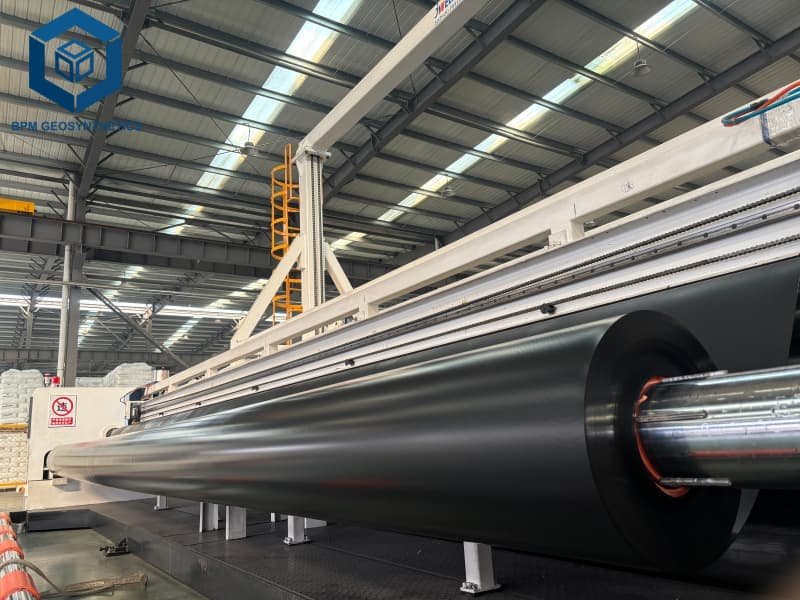
BPM offers roll widths up to 8 meters for fewer field seams. Wide rolls speed up Large Pond Liner Installation significantly.
The main tradeoff is limited local warehouse stock. However, fast sea freight delivery offsets this small gap. Best for standard reservoirs wanting balanced performance and cost.
2.2 Best for Deep Reservoirs: AGRU 2.0 mm Heavy-Duty HDPE Liner
AGRU, an Austrian manufacturer, makes a premium 2.0 mm HDPE liner. This heavy-duty option suits deep and high-pressure reservoir basins. Precision flat-die extrusion produces a very uniform sheet. There are no thin spots that could fail under extreme pressure.
Independent tests confirm very high puncture and tensile performance. The liner resists sharp rock and heavy hydrostatic load well. Its strong structure handles the largest pumped storage ponds. Bottom liners of double-layer systems often use this grade.
The downside is a higher material cost than thinner options. Best for deep reservoirs and high-risk seepage zones.
2.3 Best for Steep Slopes: Textured HDPE Geomembrane
A textured HDPE liner suits steep reservoir side slopes. The embossed surface increases friction with soil and rock layers. It prevents liner sliding under heavy water load. Interface friction angles reach 28 to 34 degrees in tests.
This design improves stability on sloping reservoir walls. It reduces the need for heavy anchoring systems on slopes. The product handles complex site geometry very well.
Textured liners cost about 20 to 40 percent more than smooth. Best for steep-side basins and high-load reservoir areas.
2.4 Best Composite Solution: HDPE Liner with Geotextile Cushion
A composite system bonds a geotextile cushion to the HDPE sheet. This integrated product combines containment and puncture protection. The geotextile spreads point loads from sharp subgrade rock. Puncture resistance rises sharply compared to bare HDPE alone.
The cushion also increases friction with the subgrade soil. It adapts to uneven foundation settlement during reservoir operation. Installation is simpler with one product instead of two layers. The bonded geotextile makes field welding slightly more difficult.
Best for rocky subgrades and sites needing extra protection.
3. How to Choose Large Pond Liner Installation for Indonesian Projects
Selecting the right liner system requires careful project analysis. Each pumped storage site has unique water, soil and budget conditions. Ask these questions before making a final installation decision.
What is your reservoir water depth? Deep basins need a 2.0 mm heavy-duty liner. Standard depths work well with a 1.5 mm smooth HDPE sheet. Higher water head demands thicker material for safety.
What is your subgrade condition? Smooth compacted soil suits standard smooth HDPE. Rocky or uneven bases need a geotextile cushion layer. Consider a textured liner for steep or unstable slopes.
What is your exposure condition? Uncovered reservoirs need strong UV-resistant HDPE. Covered or buried systems can use standard formulations. Harsh tropical sites demand higher UV and heat resistance.
What is your maintenance plan? Regular inspection helps standard liners survive. Low-maintenance projects should invest in thicker material. A liner failure can cost far more than material savings.
4. Field Installation Notes for Large Pond Liner Installation
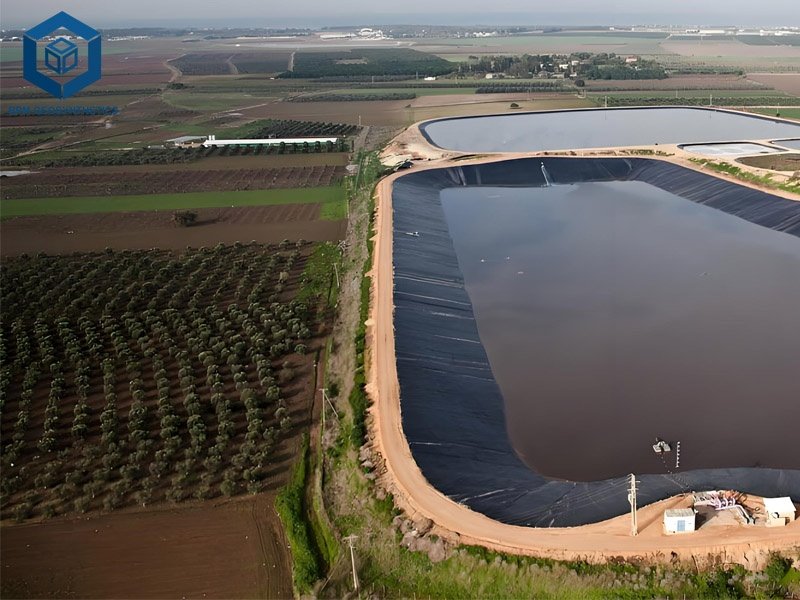
Field experience in Indonesia provides valuable installation lessons. Proper site preparation is the first essential step. Clear sharp stones and roots before laying any liner. Use a smooth sand or geotextile cushion where needed.
Welding deserves full attention during the installation phase. Large ponds need clean, dry surfaces for every seam. Control temperature carefully in the tropical humidity. Test each weld to confirm strength before filling the reservoir. Quality control reduces the chance of hidden leak points.
Anchoring around the top edge prevents liner displacement. Secure the liner firmly to handle water level changes. Keep a neat overlap at drainage and inlet points. Good housekeeping during installation pays off for years.
5. Conclusion
Large Pond Liner Installation is essential for pumped storage projects. A quality HDPE liner combines strength, durability and long service life. Most standard reservoir ponds work well with BPM 1.5 mm smooth HDPE. Deep basins and steep slopes need specialized heavier or textured options.
Liner selection is never a one-size-fits-all decision. Cutting corners on liner quality brings seepage and project losses. These problems easily exceed any short-term material savings. The right liner system pays for itself over decades.
Plan carefully, choose the correct thickness and weld properly. A well-built reservoir supports reliable pumped storage operation. Invest in quality Large Pond Liner Installation for lasting results. Your power project will benefit for many years to come.