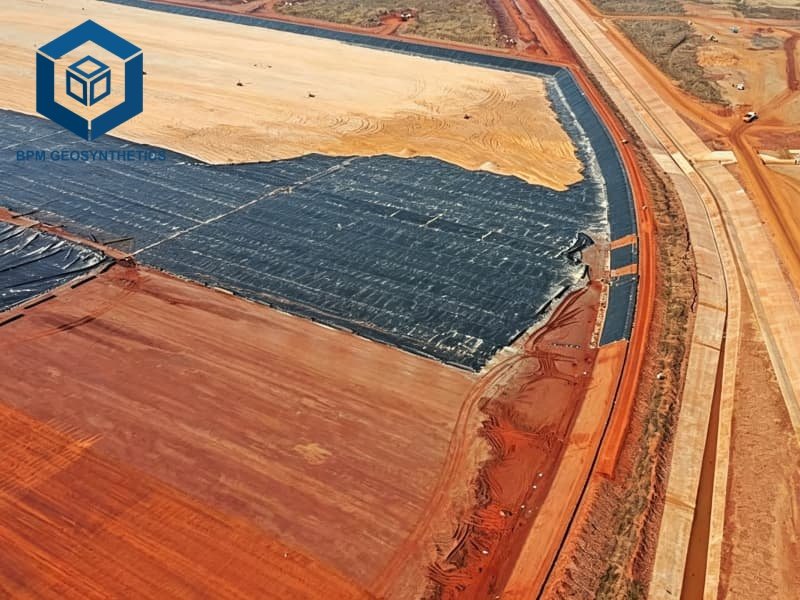
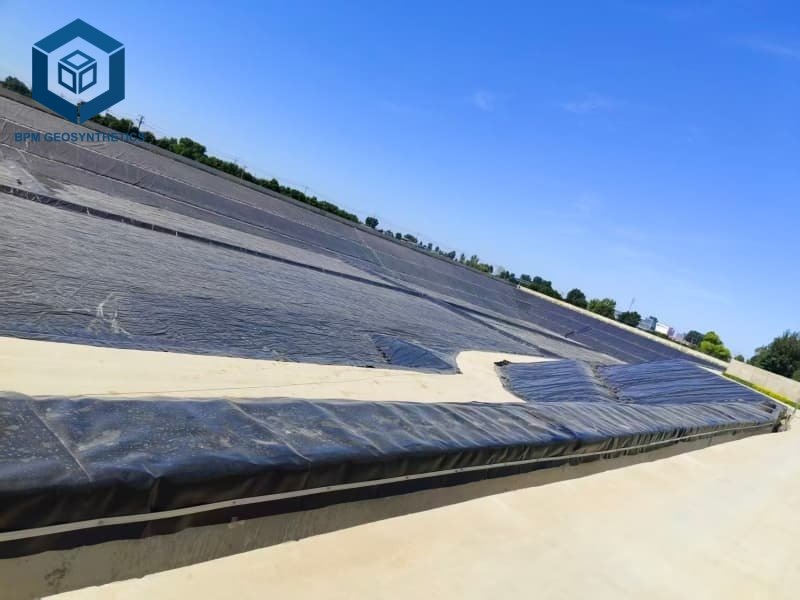
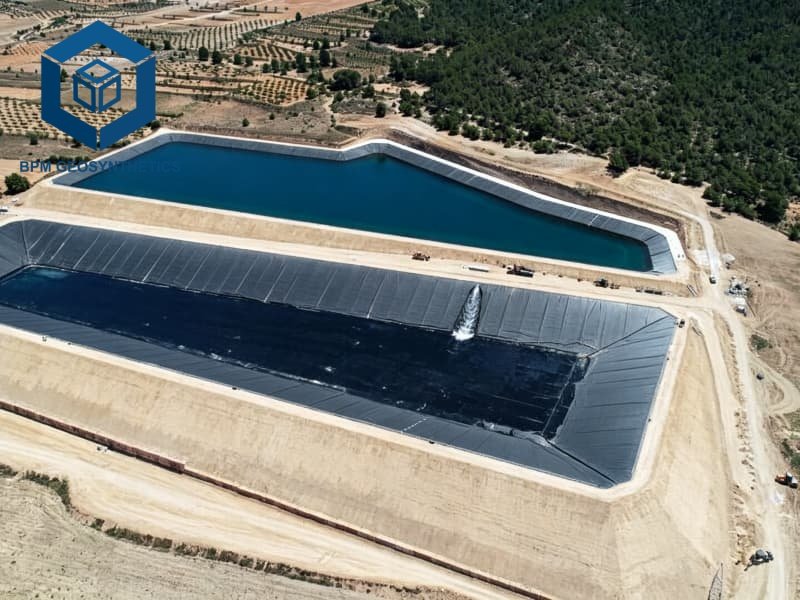
HDPE canal liners (commonly referred to in industry contexts as HDPE can liners for short in some regional usage, but precisely HDPE canal liners) provide durable, impermeable barriers for irrigation canals, water conveyance channels, and agricultural water distribution systems. These high-density polyethylene geomembranes prevent seepage, improve conveyance efficiency, and protect surrounding soils and groundwater. In 2026, demand for reliable HDPE canal liners continues to grow as water scarcity drives the need for efficient irrigation infrastructure and reduced water losses in agricultural and municipal systems.
Quantifiable performance metrics define effective HDPE canal liners. Hydraulic conductivity values of ≤1 × 10⁻¹¹ cm/s limit seepage losses to less than 1–5 percent under typical canal heads. Tensile yield strengths range from 11–44 kN/m depending on thickness, with elongation at break ≥700 percent to accommodate minor settlement and thermal movement. Puncture resistance commonly measures 240–960 N, while carbon black content of 2.0–3.0 percent delivers UV stability for partially exposed installations. Projected service lives reach 25–50+ years when covered or properly stabilized, and material costs typically range from $0.50 to $4.50 per square meter.
This review ranks the seven best HDPE canal liners based on GRI-GM13 compliance, mechanical properties, field performance in canal applications, installation efficiency, and overall value. Criteria emphasize impermeability, durability under flow and abrasion, chemical resistance, and seam reliability. While HDPE dominates high-stress and long-term canal lining, flexible alternatives such as the HDPE Geomembrane from The Project Material Co., Ltd. (BPM Geosynthetics) offer advantages in irregular or lower-head channels.
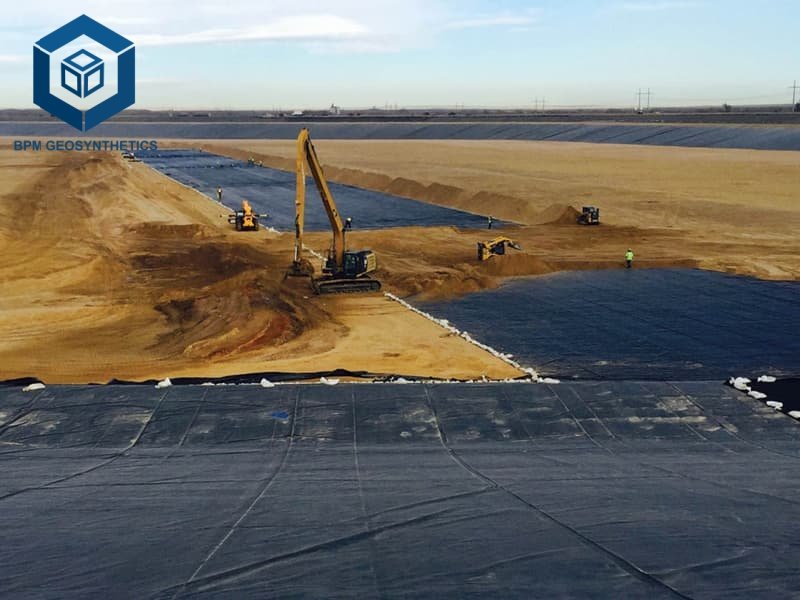
1. Why HDPE Canal Liners Deliver Measurable Performance
Unlined earthen canals frequently lose 20–40 percent of conveyed water through seepage and suffer progressive erosion that increases maintenance costs. High-quality HDPE canal liners reverse these losses while protecting adjacent soils and groundwater. Key measurable benefits include:
- Seepage reduction of 95–99.9 percent, preserving irrigation water and reducing downstream sediment loads.
- Hydraulic conductivity ≤1 × 10⁻¹¹ cm/s, ensuring near-zero detectable leakage under normal operating heads.
- Resistance to abrasion from sediment-laden flows and chemical exposure from agricultural runoff.
- Service lives of 25–50+ years under soil cover or with UV stabilization, far exceeding concrete or clay alternatives in many applications.
- Wide-roll formats that reduce field seams by 20–40 percent, lowering installation labor and potential leak paths.
Bureau of Reclamation and industry data confirm that properly designed and installed HDPE canal liners maintain channel geometry, reduce vegetation intrusion, and deliver favorable lifecycle costs compared with rigid concrete linings.
2. Essential Selection Criteria for HDPE Canal Liners
Project teams should evaluate the following quantifiable parameters when specifying HDPE canal liners:
- Thickness: 0.75–1.0 mm for low-flow agricultural canals; 1.5 mm as the industry standard for most irrigation channels; 2.0–3.0 mm for high-velocity or abrasive flows.
- Surface Finish: Smooth for maximum flow efficiency and easy cleaning; textured for improved interface friction on steeper side slopes.
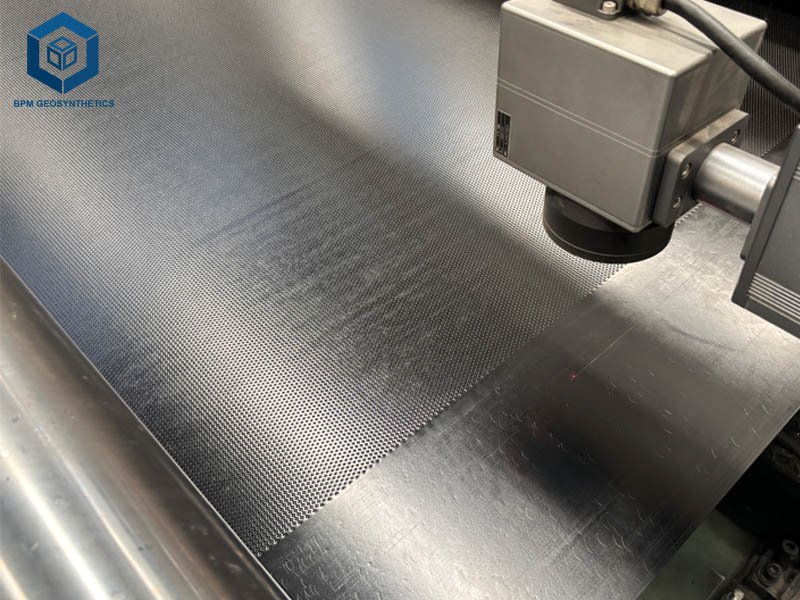
- Mechanical Properties: Tensile yield and break strengths (ASTM D6693), elongation ≥700 percent, puncture resistance (ASTM D4833), and tear resistance (ASTM D1004).
- Durability Metrics: Density ≥0.940 g/cm³, carbon black 2.0–3.0 percent, standard OIT ≥100 minutes, high-pressure OIT ≥400 minutes, and stress-crack resistance ≥500 hours.
- Installation Factors: Roll widths of 5–10 m to minimize seams, weldability under field conditions, and compatibility with protective geotextiles or soil cover.
- Standards Compliance: Full conformance to GRI-GM13 for smooth and textured HDPE.
These data-driven criteria ensure the selected HDPE canal liner meets hydraulic, geotechnical, and environmental requirements for the specific site.
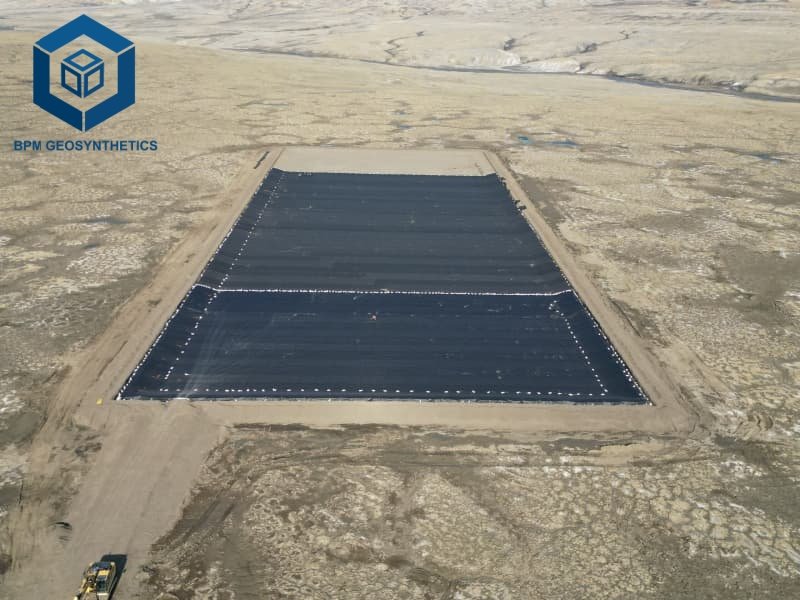
3. The 7 Best HDPE Canal Liners Reviewed for 2026
Rankings integrate published technical data, GRI-GM13 minima, and documented canal performance. All products listed meet or exceed core industry standards.
3.1 Solmax GSE HD Series
Solmax GSE HD is a high-density polyethylene geomembrane widely specified for large-scale irrigation canals and municipal water conveyance channels. It meets or exceeds GRI-GM13 and is available in smooth and textured finishes.
Typical values for 1.5–2.0 mm material include tensile yield strengths of 22–32 kN/m, puncture resistance of 480–700 N or higher, elongation ≥700 percent, standard OIT ≥100 minutes, and high-pressure OIT ≥400 minutes. Hydraulic conductivity is typically ≤1 × 10⁻¹¹ cm/s. Wide rolls reduce field seams, supporting efficient installation on long linear projects.
3.2 Agru America HDPE SmoothLiner / MicroSpike
Agru’s precision-extruded HDPE geomembranes deliver consistent thickness and elevated interface friction in textured variants. For canal applications, textured options enhance side-slope stability.
Specifications for 1.5 mm material commonly show tensile yield around 23 kN/m, break strength approximately 42 kN/m, puncture resistance near 534 N, and OIT values meeting GRI-GM13 minima. The material performs reliably under sustained flow and minor settlement.
3.3 Layfield HDPE / Enviro Liner Series
Layfield products emphasize conformability and are frequently used for agricultural and moderate-scale irrigation canals. Specialized grades offer elevated oxidative stability.
For 1.5 mm smooth material, tensile yield reaches approximately 22 kN/m, break strength around 40 kN/m, elongation ≥700 percent, and puncture resistance in the 400–500 N range. High-pressure OIT can exceed 400–2,000 minutes in certain formulations.
3.4 Atarfil HDPE Geomembrane
Atarfil produces HDPE liners with wide rolls that minimize seams and strong UV performance. Mechanical properties align with GRI-GM13, supporting use in open-channel and partially exposed canal applications.
3.5 Raven Multi-Purpose HDPE (Solmax Group)
Raven formulations focus on industrial and secondary conveyance channels, offering solid chemical resistance, reliable weldability, and competitive mid-range pricing for thicknesses of 0.75–2.5 mm.
3.6 NAUE Carbofol or Comparable European HDPE
European-engineered HDPE geomembranes provide robust performance for hydraulic structures. Thicknesses of 1.0–2.5 mm deliver tensile strengths typically in the 22–40 kN/m range and reliable puncture resistance suitable for long linear canal projects.
3.7 High-Performance or Conductive HDPE Variants (Solmax or Agru Specialty Grades)
Specialty grades provide enhanced OIT retention, elevated stress-crack resistance, or conductive layers for electrical leak-location surveys on critical industrial or environmental canals.
4. Comparison Table: Core Technical Parameters of Leading HDPE Canal Liners
| Rank | Product / Brand | Thickness Range (mm) | Tensile Yield (kN/m) | Puncture Resistance (N) | Elongation (%) | Standard / HP-OIT (min) | Key Strength | Approx. Price Range ($/m²) |
| 1 | Solmax GSE HD | 0.75–3.0 | 15–37 | 265–800+ | ≥700 | ≥100 / ≥400 | Scale & reliability | 1.20–4.00 |
| 2 | Agru SmoothLiner / MicroSpike | 0.75–3.0 | 11–38 | 267–845 | ≥700 | ≥100–140 / ≥400 | Uniformity & friction | 1.40–4.50 |
| 3 | Layfield HDPE / Enviro | 0.75–2.5 | 15–29 | 236–500+ | ≥700 | ≥100 / ≥400–2000 | Conformability | 0.90–3.00 |
| 4 | Atarfil HDPE | 0.75–3.0 | 15–45 | 300–850 | ≥700 | ≥100 / ≥400 | Wide rolls & UV | 1.50–4.00 |
| 5 | Raven Multi-Purpose | 0.75–2.5 | 15–35 | 300–700 | ≥700 | ≥100 / ≥400 | Chemical resistance | 1.00–3.20 |
| 6 | NAUE Carbofol / comparable | 1.0–2.5 | 22–40 | 450–800 | ≥700 | ≥100 / ≥400 | Hydraulic structures | 1.50–3.50 |
| 7 | High-Performance HDPE variants | 1.0–3.0 | 22–45 | 480–960+ | ≥700 | ≥100 / ≥400–800 | Extreme or conductive options | 1.80–5.00 |
Data compiled from GRI-GM13 minima and manufacturer technical references. Values are thickness-dependent minimum averages or typical ranges.
5. Manufacturer Comparison: Market Position, Clients, and Certifications
| Manufacturer | Est. Revenue Share (Geomembrane / Canal Liner Segment) | Major Clients / Sectors | Key Certifications | Notable Strengths |
| Solmax (including GSE) | 12–20% | Large irrigation canals, municipal conveyance | GRI-GM13, ISO 9001, NTPEP, CE | Production scale, conductive options |
| Agru America | 8–12% | Water utilities, industrial channels | GRI-GM13, ISO 9001, NSF-61 | Precision extrusion, textured friction |
| Layfield | 4–8% | North American agricultural & drainage projects | ASTM, ISO, NSF options | Flexibility, specialized grades |
| Atarfil | 5–8% | Exposed or partially exposed channels | GRI-GM13, CE, ISO 9001 | Wide rolls, UV focus |
| Raven (Solmax group) | Niche within Solmax | Industrial secondary conveyance | GRI-GM13 aligned | Versatile industrial formulations |
| NAUE / European specialists | 5–10% (regional strength) | European hydraulic and canal projects | ISO 9001, CE, DIN | Civil engineering reliability |
| BPM Geosynthetics (The Project Material Co., Ltd.) | Growing export / specialized share | Global irrigation, agricultural, and flexible-channel projects | ASTM D7176 aligned (PVC), ISO 9001/14001, CE | Flexible PVC alternative, competitive value, customization |
Revenue-share estimates are approximate and derived from industry visibility and project volume indicators; actual figures vary by region and year.
6. BPM Geosynthetics Advantages: PVC Geomembrane as a Flexible Canal Lining Option
While this review focuses on HDPE canal liners, flexible PVC formulations remain relevant for irregular or low-to-moderate head channels where conformability is prioritized. The PVC Geomembrane from The Project Material Co., Ltd. (BPM Geosynthetics) meets key requirements of ASTM D7176 and offers tensile strengths in the 12–24 kN/m range with elongation of 250–450 percent.
Quantifiable advantages for selected canal applications include:
- Excellent ability to conform to irregular subgrades and complex channel geometries, reducing stress concentrations.
- Consistent thickness control and efficient seaming that support high-integrity installations with reduced labor.
- Competitive pricing that makes PVC an economical choice for agricultural and moderate-scale irrigation canals.
- Availability in multiple thicknesses supported by ISO-certified quality systems.
- Proven chemical resistance suitable for a range of agricultural and stormwater qualities.
These attributes enable project teams to achieve effective seepage control in applications where HDPE rigidity may present installation challenges. When combined with appropriate protective cover, the BPM PVC geomembrane contributes to reliable performance as a complementary or alternative solution within the broader category of canal lining systems.
7. Design, Installation, and Lifecycle Considerations for HDPE Canal Liners
Successful deployment of HDPE canal liners requires integration with overall channel design. Subgrade preparation must eliminate sharp objects and achieve adequate smoothness. Side-slope stability analyses should account for interface friction; textured surfaces or intermediate geotextiles can improve friction angles to 28–35 degrees. Protective soil or gravel cover of adequate thickness further enhances puncture resistance and UV protection.
Installation best practices include controlled thermal welding, comprehensive quality assurance (vacuum box, air channel, or electrical testing), and proper anchoring at the top of banks. When these practices are followed, measured seepage rates remain negligible and the HDPE canal liner system routinely achieves or exceeds its projected service life of 25–50+ years under cover.
Conclusion
The seven HDPE canal liners reviewed provide quantifiable solutions for controlling seepage, reducing erosion, and maintaining designed flow paths in irrigation and water conveyance systems. HDPE remains the dominant material for high-stress and long-term applications due to superior tensile strength, puncture resistance, and longevity. Flexible alternatives such as PVC from The Project Material Co., Ltd. (BPM Geosynthetics) offer practical advantages in irregular or lower-head canals.
Specifiers should request current technical data sheets, third-party test reports, and project references to confirm suitability for site-specific hydraulic, geotechnical, and environmental conditions. Selecting HDPE canal liners on the basis of measured performance metrics ensures regulatory compliance, water conservation, and long-term channel reliability.