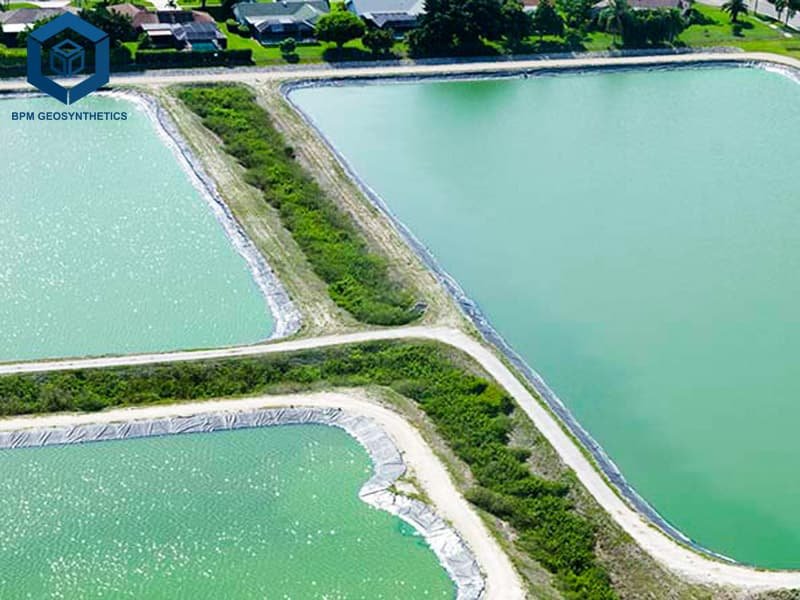
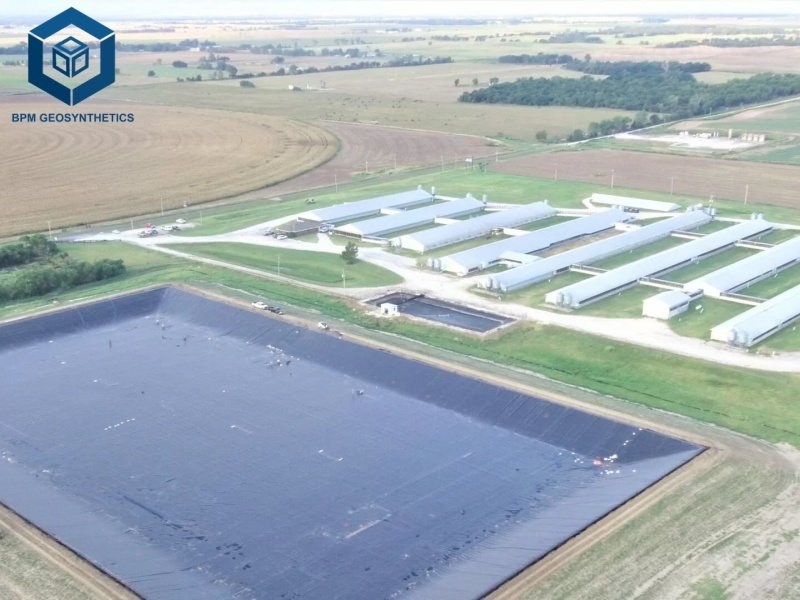
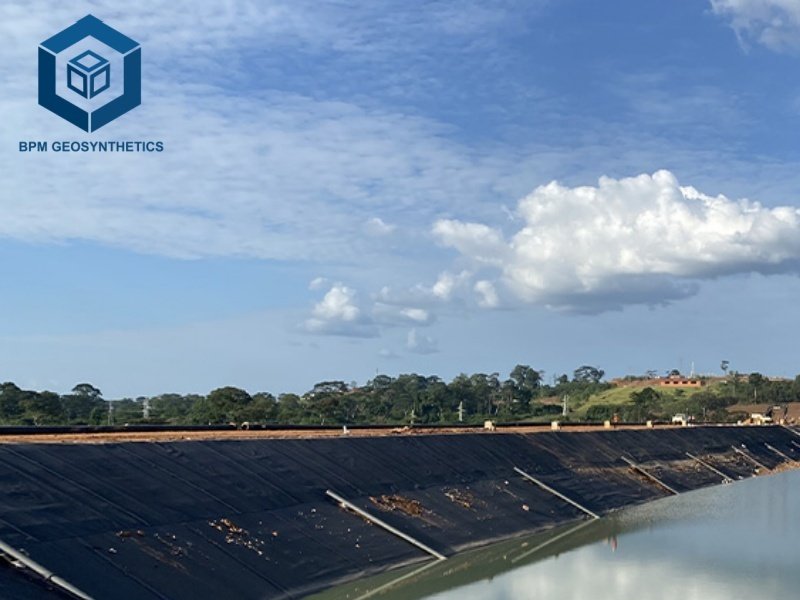
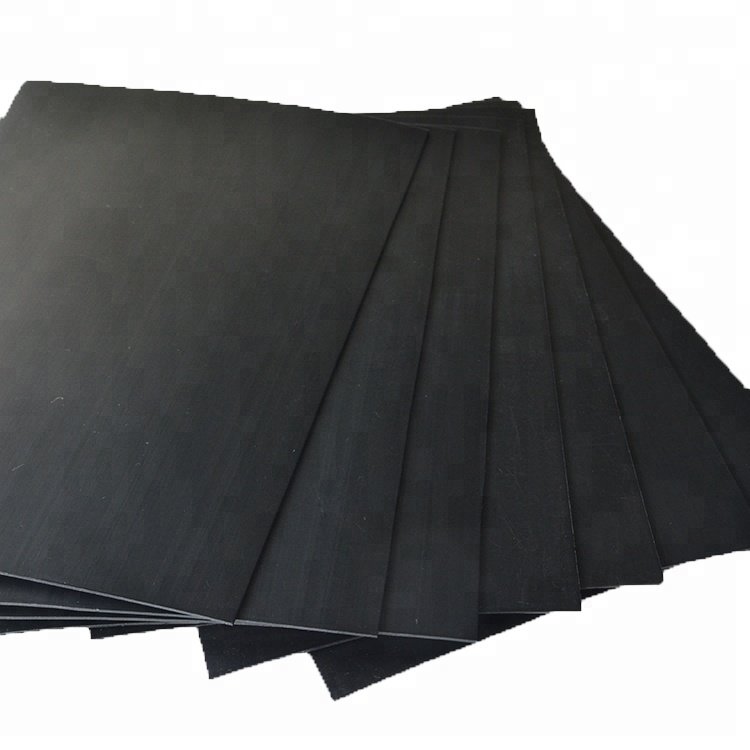
Smooth Geomembrane HDPE sheet, also know as HDPE geomembrane sheet, high density polyethylene sheet, is the low permeable synthetic membrane sheet and geotechnical engineering materials. It is manufactured using a special formulation of virgin polyethylene resin, carbon black, antioxidants, anti-aging agents, and UV resistance components. These additives enhance the liner’s resistance to UV radiation, making it suitable for exposed conditions. Understanding HDPE Geomembrane sheet costs is vital for farmers, engineers, and project managers aiming to optimize budgets while ensuring long-term water retention and environmental compliance. This blog post provides a comprehensive analysis of HDPE Geomembrane sheet prices, ranging from $0.62–$3.50 per square foot ($6.67–$37.67/m²). Drawing on research from sources like bpmgeomembrane.com, alibaba.com, and industry reports, we explore Thickness (mm) , Raw Material Quality, Size & Quantity,Certifications and Supplier & Location to deliver actionable insights for achieving 95% project reliability and 15–25% cost savings.
1. Introduction to BPM HDPE Geomembrane sheet
BPM HDPE Geomembrane sheet is manufactured by the high quality Polyethylene virgin raw material, adding carbon biack, antioxidant, anti-aging and UV resistance component. BPM have first class automatic blowing film production line and flat die production line. It meets the requirements set by the GRI-GM13 Specification standard for HD Geomembrane Liners, ensuring its quality and performance. The smooth HDPE sheet is widely used in various industries such as water conservancy, petrochemicals, agriculture, and aquaculture, thanks to its anti-aging and waterproof properties. Compared to traditional materials like concrete, asphalt, and compacted clay, HDPE geomembrane liners offer significant advantages in terms of cost-effectiveness, environmental safety, durability, chemical resistance, fast deployment, and easy transportation. BPM have smooth, textured and composite Geomembrane with black, white, green and blue color etc.
1.1 Specification
- Thckness: 0.5mm-3.0mm
- Width: 0.5m-12m
- Color: black, green, blue, white
(Other colors csn be customized)
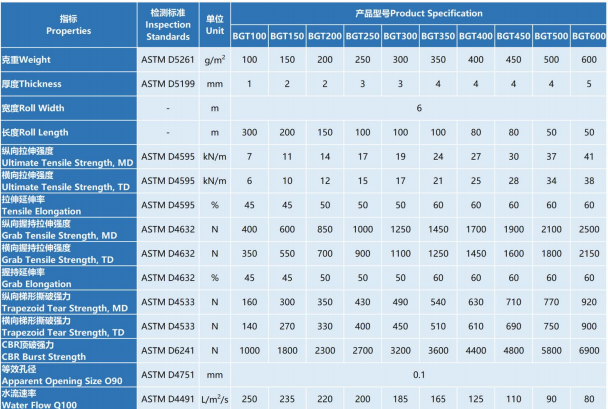
1.2 Technical Data
1.3 Application
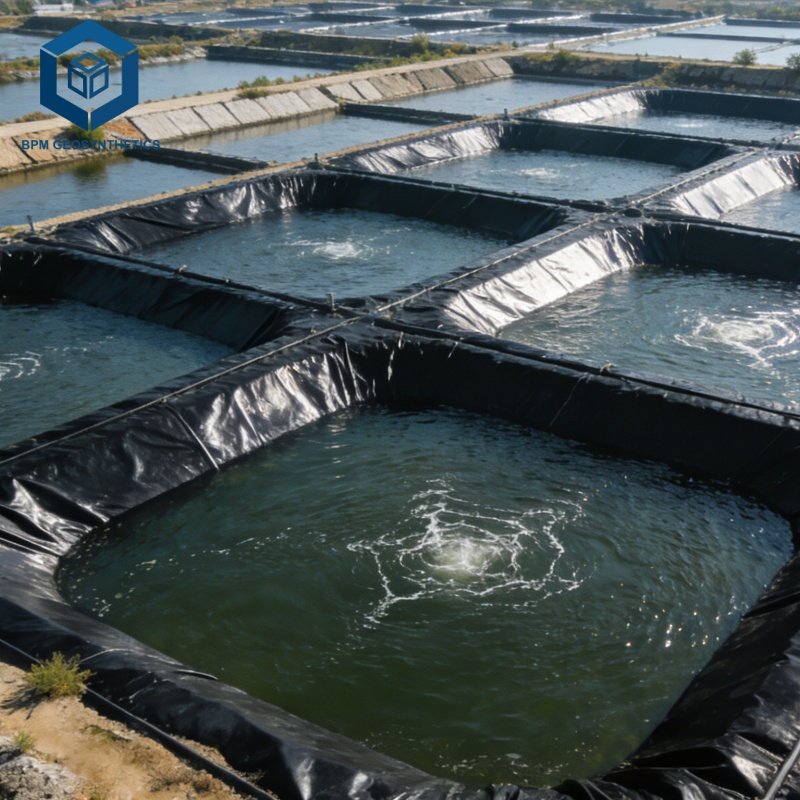
- Aquaculture:Sea water or fresh water shrimp or fish farming pond
- Mining:Washing Pond, heap leaching pond, ash field, dissolving and sedimentation Pond, tailing bottom lining etc
- Landscaping:River, Reservoir, artificial lake, golf course pond waterproofing, artificial grass waterproof and moisture-proof
- Salt industry:Salt farm crystallization Pond, collection Pond
2.Factors Influencing HDPE Geomembrane sheet Costs
2.1 Thickness (mm)
The thickness of an HDPE geomembrane is one of the most critical factors influencing its cost per square meter (or square foot). Generally, thicker liners are more expensive due to higher material consumption and enhanced performance characteristics.
2.1.1 Material Usage
Thicker membranes (e.g., 2.0–3.0 mm) require more raw HDPE resin, directly increasing production costs. A 2.0 mm liner may cost 30–50% more than a 1.0 mm liner of the same quality.
2.1.2 Performance & Durability
- 5–1.0mm: Lower cost ($0.50–$1.50/m²) but suited for light-dutyuses (e.g., decorative ponds).
- 5–2.0mm: Mid-range pricing ($1.80–$3.50/m²), ideal for landfills, aquaculture.
- 5–3.0mm: Premium cost ($3.50–$6.00+/m²) for heavy industrialapplications (mining, chemical containment).
2.1.3 Transport & Installation
Thicker liners are heavier, raising shipping costs. Installation may require specialized welding equipment for seams, adding labor expenses.
Cost vs. Thickness Trade-Off
| Thickness(mm) | Price Range($/㎡) | Best Applications |
| 0.5-1.0 | 0.64-1.28 | Decorative ponds, temporary covers |
| 1.25-1.5 | 1.60-1.92 | Agriculture, small reservoirs |
| 2.0-3.0 | 2.56-3.83 | Lanffills, mining, hazardous waste |
Pro Tip: For long-term projects (e.g., landfills), a thicker geomembrane reduces maintenance/replacement costs despite higher initial investment.
2.2 Raw Material Quality
The quality of raw materials used in HDPE geomembrane production significantly impacts its cost, performance, and lifespan. Higher-grade materials ensure better durability and chemical resistance but come at a premium price.
2.2.1 Virgin vs. Recycled HDPE Resin
Virgin HDPE: Made from pure, first-use polyethylene, offering superior UV resistance, tensile strength, and chemical stability. Costs 20–40% more than recycled alternatives but ensures long-term reliability.
Recycled HDPE: Lower-cost option ($0.30–$1.00/m² cheaper), but may have reduced flexibility, uneven thickness, and shorter UV life. Suitable for short-term or non-critical applications.
2.2.2 Additives & Stabilizers
UV Stabilizers: Increase resistance to sunlight degradation, adding $0.10–$0.50/m² to the cost.
Carbon Black: Essential for UV protection; high-quality grades improve longevity but raise prices.
Antioxidants: Prevent oxidative damage in harsh environments (e.g., landfills), adding 5–15% to material costs.
2.2.3 Manufacturing Standards
ASTM/ISO-compliant resins undergo strict quality control, increasing production costs but ensuring:
Consistent thickness.
Higher puncture resistance (e.g., ≥500 N per ASTM D4833).
Reliable weldability for seam integrity.
Trade-Off Tip:
While virgin HDPE costs more upfront, it reduces long-term repair/replacement expenses—critical for projects like landfill caps or chemical containment.
2.3 Size & Quantity
2.3.1 Bulk orders:
Bulk orders (e.g., full rolls) reduce per-square-meter costs compared to small custom cuts.
Order Quantity (MOQ & Bulk Discounts)
| Order Volume | Price Impact | Typical Use Cases |
| Small (≤19000kg) | Highest | DIY ponds, repairs |
| Medium (19000-54000kg) | Competitive rates | Farms, small reservoirs |
| Bulk (≥54000kg) | 5-10% discount | Landfills, mining, mega-infrastructure |
2.3.2 Freight Savings:
Full-container-load (FCL) shipments for bulk orders cut per-unit logistics costs by 40–60% compared to LCL (less-than-container).
2.4 Certifications
Certifications play a critical role in determining the price of HDPE geomembranes, as they validate quality, safety, and compliance with international standards. While certified liners cost 10–30% more than uncertified alternatives, they provide long-term reliability and reduce legal/operational risks.
2.5 Supplier & Location
The geographical location of the supplier significantly impacts the total cost of HDPE geomembranes due to logistics, tariffs, and local market dynamics.
3.Why is the price of the BPM HDPE Geomembrane sheet more competitive?
BPM’s HDPE geomembrane sheets offer industry-leading pricing without compromising quality. Here’s why our costs are more competitive than many global suppliers:
3.1 Direct Factory Production (No Middlemen)
Vertically integrated manufacturing: We control the entire process—from raw HDPE resin production to geomembrane extrusion—eliminating third-party markups.
Bulk material sourcing: Strategic partnerships with polymer suppliers secure lower resin prices, reducing base costs by 10–20%.
3.2 High-Efficiency Manufacturing
Advanced extrusion lines: Automated production minimizes waste and labor costs, ensuring consistent thickness (e.g., ±3% tolerance).
Economies of scale: Large-volume output (e.g., 1M+ m²/month) spreads fixed costs across more units.
3.3 Optimized Logistics
Strategic Location Advantage of BPM Geomembranes: Lower Costs, Faster Delivery
Container-BPM’s manufacturing base is strategically located near Qingdao Port, one of the world’s busiest and most efficient deep-water ports. This proximity delivers two critical competitive advantages for global buyers of HDPE geomembranes:
3.3.1 Dramatically Reduced Shipping Costs
Direct Port Access: Our factory is relatively close to Qingdao Port cuts inland transport fees by 30–50% compared to suppliers reliant on distant rail/trucking.
Buk Container Savings: Sea freight rates from Qingdao to key markets (e.g., EU/US/Middle East) are 15–25% lower than smaller
3.3.2 Faster Global Delivery
Weekly vessel departures: Qingdao’s 100+ international routes ensure shorter transit times (e.g., 18 days to EU vs. 25+ days from secondary ports).
One-stop customs clearance: Pre-shipment inspections at Qingdao Port reduce clearance delays by 3–5 days.
3.4 Lean Overhead & Certification Savings
In-house testing labs: Reduce outsourcing fees for ASTM/GRI/CE certifications.
Streamlined supply chain: Minimal administrative overhead translates to 5–15% savings vs. competitors.
Contact us for real-time pricing based on your project specs. Whether you need geomembranes for aquaculture, mining, or waste containment, we offer cost-effective solutions without compromising quality