Introduction
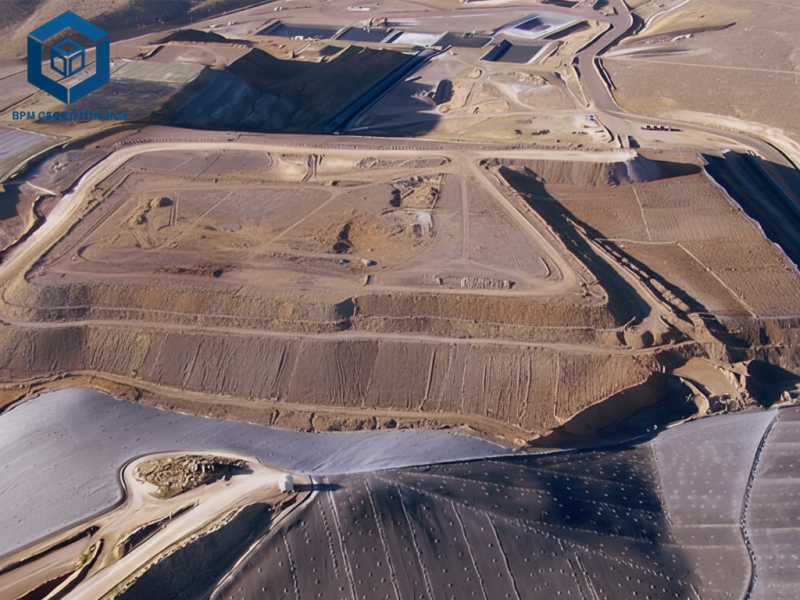
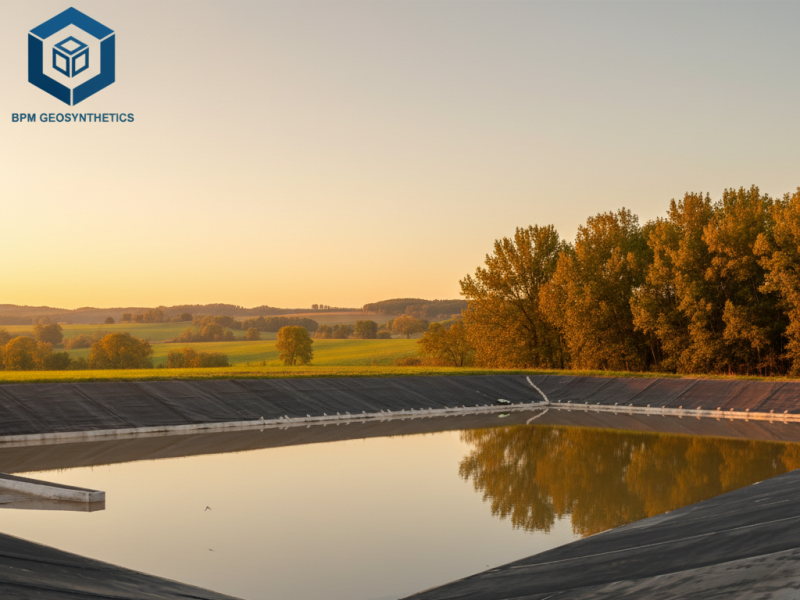
In the global construction and environmental protection industries, HDPE liners (high-density polyethylene liners, also known as geomembranes) have become indispensable anti-seepage materials, widely used in landfills, ponds, reservoirs, agricultural irrigation, and coastal protection projects. For contractors, project managers, and procurement professionals, one of the most pressing questions when planning such projects is: How much does an HDPE liner cost?
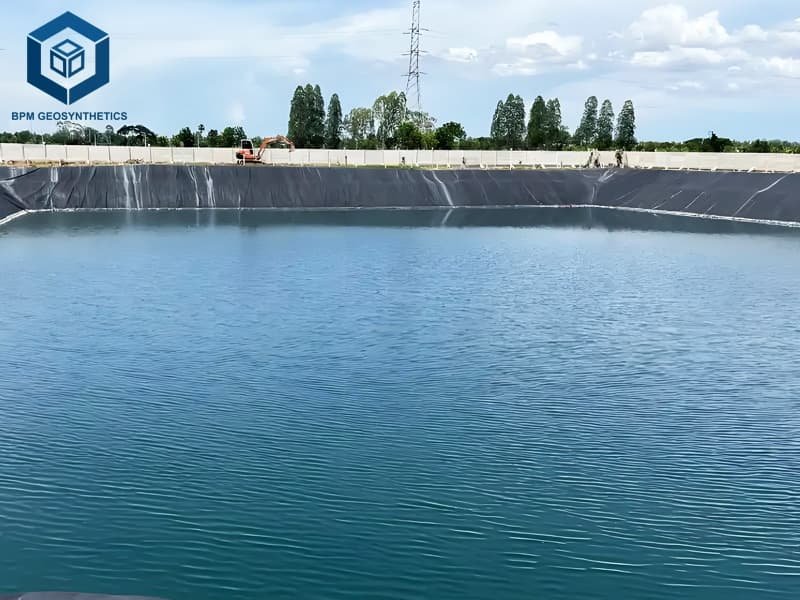
The cost of HDPE liners is not a fixed figure; it is affected by multiple factors such as product specifications, raw material quality, and purchase volume. This comprehensive guide will unravel the mysteries of HDPE liner pricing, help you understand the key factors affecting costs, provide the latest 2025 price references, share practical procurement tips, and answer common questions. Whether you are a first-time buyer or looking to optimize your procurement strategy, this article will provide valuable insights to support your decision-making and help your project achieve a balance between cost and quality.
2. Key Factors Affecting HDPE Liner Cost
Understanding the factors that affect the cost of HDPE liners is crucial for accurate budgeting and cost optimization. The following are the most important factors determining the cost of HDPE liners:
2.1 Raw Material Quality
The main raw material of HDPE liners is high-density polyethylene resin, and the quality and price of the resin directly affect the cost of the final product:
2.1.1 Virgin vs. Recycled Resin
HDPE liners made from 100% virgin resin have better performance in terms of tensile strength, chemical resistance, and service life, so their price is 30%-50% higher than those made from recycled resin. Virgin resin HDPE liners are usually used in high-demand projects such as landfills and drinking water reservoirs, while recycled resin HDPE liners are suitable for low-demand scenarios such as agricultural drainage ditches.
2.1.2 Resin Grade
Different grades of HDPE resin have different performance indicators. For example, resin with high melt flow rate and high density is more suitable for producing thick HDPE liners, and its price is also higher. The fluctuation of global oil prices will directly affect the price of HDPE resin.
2.2 Thickness and Technical Specifications
The thickness and technical specifications of HDPE liners are the core factors determining their cost. Thicker liners use more raw materials and have higher production requirements, so the price increases significantly with thickness:
2.2.1 Thickness
Common HDPE liner thicknesses range from 0.5mm to 3.0mm. For example, a 0.5mm thin HDPE liner is suitable for temporary anti-seepage projects, while a 2.0mm-3.0mm thick liner is used for permanent projects such as landfills.
2.2.2 Tensile Strength and Elongation
HDPE liners with higher tensile strength and elongation at break have better resistance to deformation and tearing, and their production process is more complex, so the price is higher. For example, HDPE liners with a tensile strength of more than 20 kN/m are 20%-30% more expensive than those with a tensile strength of 10-15 kN/m.
2.2.3 Width and Length
Standard roll dimensions (width: 4-8 meters, length: 50-100 meters) are more economical because they reduce production and transportation costs. Custom widths (such as more than 10 meters) or lengths (such as less than 30 meters) require special production setups, which will increase the unit price by 15%-25%.
2.3 Production Process and Additional Treatments
Advanced production processes and additional functional treatments will also increase the cost of HDPE liners:
2.3.1 Production Process
HDPE liners produced by extrusion-calendering have better thickness uniformity and surface flatness than those produced by blow molding, and their price is about 10%-15% higher.
2.3.2 Additional Treatments
Treatments such as UV resistance, anti-aging, and chemical resistance coating can enhance the durability of HDPE liners but will increase the cost by $0.05-$0.20 per square meter. For example, UV-resistant HDPE liners can last 15-20 years in outdoor environments, while ordinary HDPE liners may only last 5-8 years.
2.4 Purchase Volume and Supplier Type
Purchase volume and supplier type have a significant impact on the unit price of HDPE liners, which is also a key point for procurement personnel to optimize costs:
2.4.1 Purchase Volume
Bulk purchases can significantly reduce the unit price due to economies of scale. Most suppliers offer 10%-25% discounts for large orders. For example, purchasing 1,000 square meters of 1.0mm HDPE liners may cost $0.80-$0.90 per square meter, while purchasing 20,000 square meters or more can lower the unit price to $0.50-$0.60 per square meter.
2.4.2 Supplier Type
Purchasing directly from HDPE Liner manufacturers is more cost-effective than buying from distributors or retailers because it eliminates intermediate markups. Manufacturers usually have higher minimum order quantities (MOQ), generally 1,000-5,000 square meters, while distributors have lower MOQs (500-1,000 square meters) but their unit prices are 10%-15% higher. B2B platforms are a good choice for comparing multiple suppliers, but it is necessary to verify the supplier’s credibility and product quality.
2.5 Geographic Location and Logistics Costs
Geographic location affects the final cost of HDPE liners due to differences in transportation costs, labor costs, and import duties:
Asia (China, India): Due to lower production and labor costs, HDPE liners here have more competitive prices, with a unit price 20%-30% lower than in North America and Europe.
North America and Europe: Higher labor costs, strict environmental regulations, and import duties increase the cost of HDPE liners. For example, the unit price of HDPE liners in Europe is 5%-10% higher than the global average due to import duties and quality certification requirements.
Logistics methods also affect costs; sea freight is cheaper for large quantities but takes longer, while air freight is faster but 3-5 times more expensive than sea freight.
3. Practical Tips for Purchasing HDPE Liners at the Best Cost
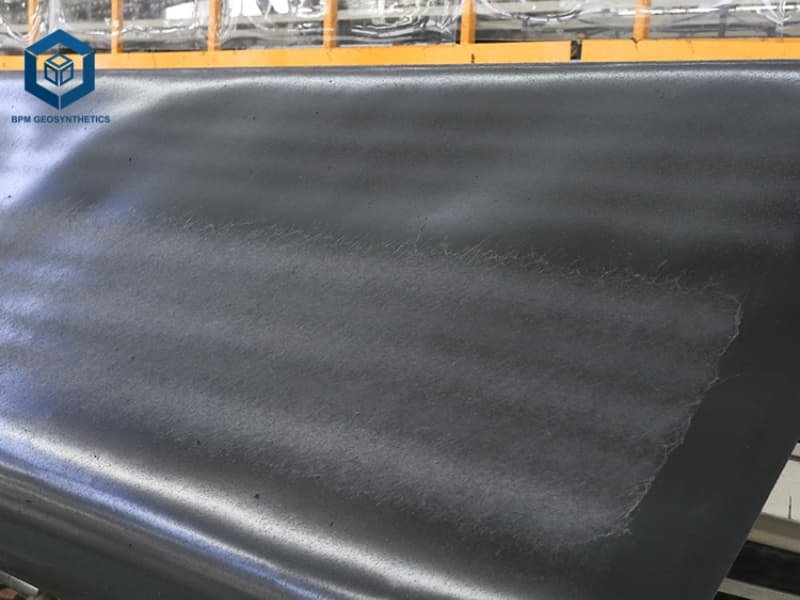
To purchase cost-effective HDPE liners without compromising quality, you can follow these practical tips:
3.1 Clarify Project Requirements and Select Appropriate Specifications
Before purchasing, clearly define the project’s application scenario, service life, and anti-seepage requirements, and select the appropriate HDPE liner thickness and material grade. For example, a small agricultural pond does not need an expensive 2.0mm UV-resistant HDPE liner; a 1.0mm standard liner is sufficient, which can save 30%-40% of the cost.
3.2 Compare Multiple Suppliers and Evaluate Comprehensive Costs
Request quotes from at least 3-5 suppliers, including manufacturers and distributors. When comparing prices, focus on the unit price of HDPE liners, as well as shipping fees, packaging fees, and certification fees. It is recommended to choose professional HDPE liner manufacturers to ensure product quality and after-sales service.
3.3 Take Advantage of Bulk Purchases and Combine Orders
If the project requires a large quantity of HDPE liners, purchase in bulk to enjoy volume discounts. If the quantity of a single project is insufficient to reach the MOQ for preferential prices, you can cooperate with other projects or partners to combine orders, which can effectively reduce the unit price by 10%-20%.
3.4 Choose the Right Supplier Type and Establish Long-Term Cooperation
For large-scale projects with high quantity requirements, purchase directly from manufacturers to get the lowest price and ensure product quality stability. For small projects or urgent orders, distributors are a better choice because they have local inventory and can deliver quickly. Establishing a long-term cooperative relationship with reliable suppliers can not only obtain more favorable prices but also enjoy preferential policies such as free samples, technical support, and flexible payment terms.
3.5 Avoid Hidden Costs
When requesting quotes, ask suppliers for a detailed cost breakdown, including product price, packaging, shipping (FOB or CIF), taxes, and certification fees. Clarify whether there are additional charges for custom specifications, special treatments, and after-sales services in advance. At the same time, understand the import duties and regulatory requirements of your country to avoid unexpected costs due to non-compliant documents.
4. Conclusion: Invest in the Right HDPE Liner-Geotextile System for Long-Term Value
The cost of HDPE liners is influenced by several factors, including raw material quality, thickness, production process, purchase volume, and geographic location. The key to smart procurement HDPE Liner is not to choose the cheapest product, but to find the HDPE liner that best fits the project’s needs to form a high-performance, cost-effective solution. A slightly higher upfront investment in high-quality HDPE liners can reduce maintenance costs, extend the service life of the project, and bring long-term economic and environmental benefits.
If you need a customized quote for your specific project or want to know more about HDPE liner specifications, feel free to contact us. As a professional HDPE liner (geomembrane) manufacturer, we have ISO 9001 and ASTM certification, and can provide you with high-quality products at competitive prices. We offer free samples for quality testing and can customize products according to your project requirements. Whether you are engaged in landfill anti-seepage, agricultural irrigation, or coastal protection projects, we have the right solution for you.