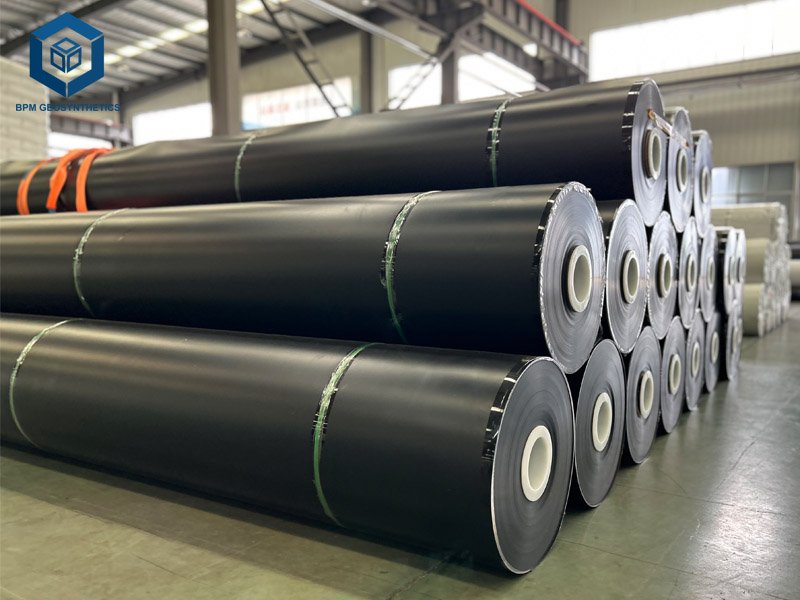
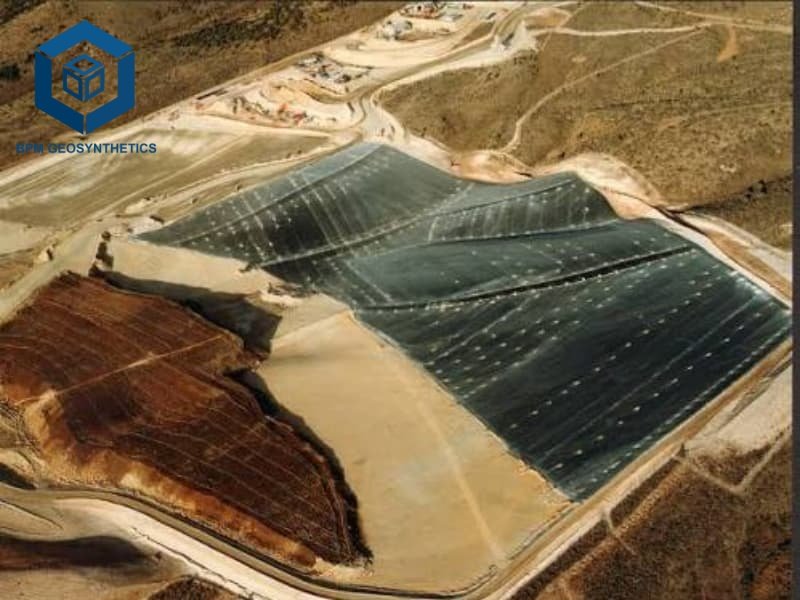
If you manage civil, environmental, mining, or aquaculture projects, HDPE liner thickness shapes your whole containment design. Pick the wrong thickness, and you face punctures, early leakage, failed inspections, and costly rework. Choose the right grade, and you get stable seepage control, long service life, and a predictable budget. This guide breaks down practical thickness rules, application matches, and key design checks to help you specify HDPE geomembrane with confidence. BPM Geomembrane supplies custom HDPE liners across these standard thicknesses for global project owners, contractors, and engineering firms.
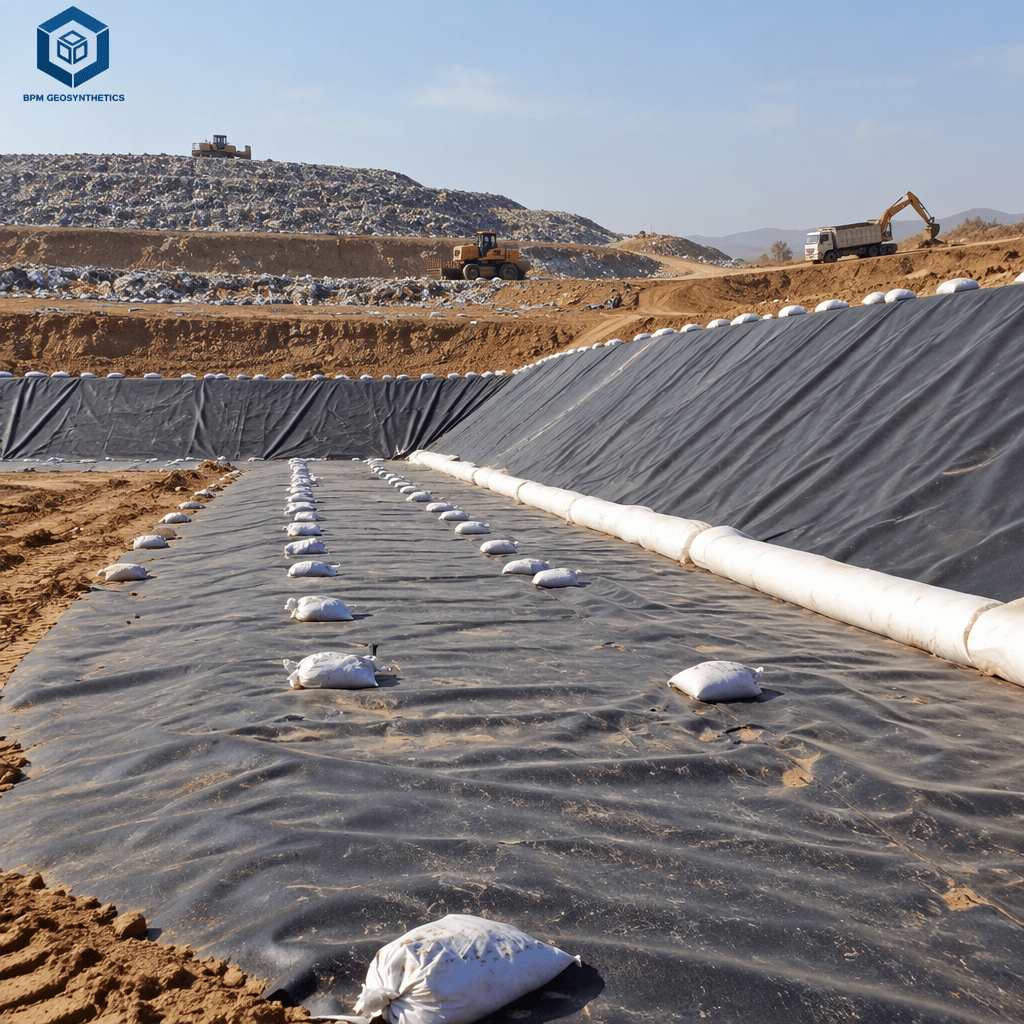
What HDPE Liner Thickness Means For Your Project
HDPE liner thickness refers to the nominal sheet gauge, measured in millimeters or mils. One mil equals 0.0254 mm. Thicker HDPE delivers higher puncture resistance, greater tensile strength, and better tolerance for heavy overburden, sharp subgrade stones, and long-term chemical exposure. Thinner HDPE costs less and installs faster for low-risk, lightly loaded water containment.
Thickness does not stand alone. Virgin HDPE resin, carbon black UV additives, surface texture, and proper geotextile cushion all affect real-world performance. A 1.0 mm liner on a well-prepared subgrade with nonwoven geotextile often outperforms a 1.5 mm liner laid directly over jagged rock. You always match thickness to site risk, not just project budget.
Common HDPE Liner Thickness Options
0.5 mm (20 mil) HDPE Liner
0.5 mm HDPE works for light-duty, low-risk water containment. Aquaculture ponds for small fish farms, temporary irrigation channels, and simple decorative ponds fit this category. It handles calm water and smooth, compacted subgrades without sharp debris.
This thickness saves upfront cost but offers limited puncture protection. Avoid it for sites with rock, heavy equipment traffic, or permanent chemical exposure. BPM produces 0.5 mm smooth HDPE liner in wide rolls for fast pond lining when site conditions stay mild.
1.0 mm (40 mil) HDPE Liner
1.0 mm HDPE sits in the most popular mid-range for water-focused projects. Commercial shrimp and fish farms, irrigation reservoirs, wastewater lagoons, and landfill caps frequently use this specification. It balances flexibility, weldability, and mechanical strength for most standard water containment jobs.
Most aquaculture and irrigation engineers select 1.0 mm when they place a geotextile cushion below the liner. The liner resists routine UV exposure and minor point loads. It remains easy to fold, deploy, and hot-weld on site. BPM keeps a large stock of 1.0 mm HDPE geomembrane for fast delivery to aquaculture and water storage clients.
1.5 mm (60 mil) HDPE Liner
1.5 mm HDPE is the industry standard primary liner for high-risk containment. Municipal landfill cells, mine heap leach pads, tailings ponds, and industrial wastewater containment regularly call for this thickness. It meets most global environmental regulations for permanent seepage control.
This grade resists aggressive chemicals, heavy waste overburden, and moderate slope movement. Many design codes list 1.5 mm as the minimum acceptable thickness for MSW landfill primary liners. Textured 1.5 mm HDPE adds friction for steep slopes, while smooth 1.5 mm works for flat base layers. BPM 1.5 mm HDPE liners follow GRI-GM13 and ASTM standards for landfill and mining projects.
2.0 mm (80 mil) HDPE Liner
2.0 mm HDPE targets extreme containment risk. Hazardous waste landfills, deep tailings ponds, biogas digester bases, and high-load heap leach facilities rely on this robust liner. It handles heavy overburden, sharp rock subgrades, and long-term contact with acidic or alkaline process fluids.
Engineers specify 2.0 mm when local codes demand extra safety factors or when seismic activity adds slope stress. It shows excellent resistance to tear and puncture damage during installation and decades of service. BPM manufactures both smooth and textured 2.0 mm HDPE geomembranes for critical environmental containment.
2.5 mm to 3.0 mm HDPE Liner
2.5 mm and 3.0 mm HDPE serve specialized high-risk scenarios. Permanent hazardous waste containment, deep industrial lagoons, and sites with frequent heavy vehicle movement fall into this group. These thick liners carry premium material costs and require trained welding crews.
Most routine projects do not need this gauge. You only move to 2.5 mm or thicker when your geotechnical report confirms extreme mechanical or chemical loading. BPM accepts custom orders for these heavy HDPE liner grades for regulated industrial and hazardous waste projects.
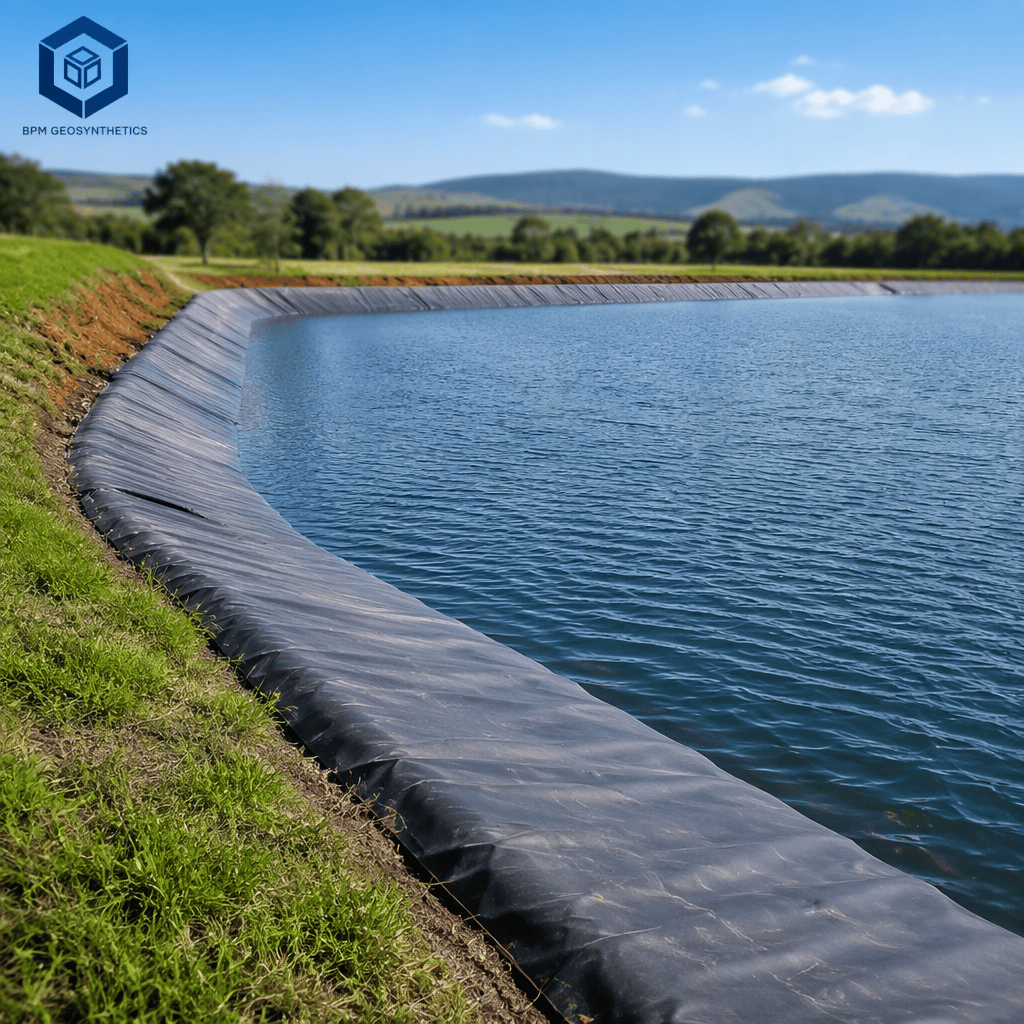
Core Factors That Decide Your HDPE Liner Thickness
Subgrade Condition
Subgrade quality makes the biggest difference to liner survival. Smooth, compacted clay or sand subgrades let you use thinner HDPE. Subgrades with angular rock, gravel, or construction debris force you to increase thickness or add protective geotextile.
A geotextile cushion spreads point loads and stops sharp edges from cutting through the liner. Many clients choose 1.0 mm liner plus geotextile instead of jumping straight to 1.5 mm. This choice often delivers equal protection and better total value.
Chemical Exposure
Water-only aquaculture and irrigation ponds create mild chemical environments. Mine leachate, landfill leachate, biogas slurry, and industrial wastewater create aggressive environments. Strong acids, alkalis, and hydrocarbons slowly degrade geomembranes over time. Thicker HDPE slows penetration and extends service life.
Check your fluid chemistry before locking in thickness. HDPE naturally resists many chemicals, but extreme pH or solvent exposure needs a thicker liner and compatible resin formulation. BPM technical team reviews fluid data to recommend the correct HDPE liner grade.
Slope Angle and Surface Type
Slopes change liner selection. Smooth HDPE slips easily on steep inclines. Textured HDPE gains interface friction and stays stable. Even with textured liner, steeper slopes often require thicker material to resist tension and sliding stress.
Shallow pond slopes may safely use 1.0 mm smooth HDPE. Landfill side slopes and mine leach pad slopes usually require 1.5 mm or 2.0 mm textured HDPE. Your geotechnical engineer completes slope stability calculations to confirm the final specification.
Regulatory Requirements
Local environmental agencies set mandatory minimum thickness rules for landfills, mining, and wastewater containment. Many landfill regulations require a minimum 1.5 mm primary liner. Hazardous waste rules often push that minimum to 2.0 mm.
Never ignore local codes to save money. Non-compliant liner thickness leads to permit rejection, project shutdown, and expensive liner replacement. BPM supplies test certificates and compliance documentation to support your permit submission.
Project Service Life
Short-term temporary containment can safely use thinner HDPE. Permanent projects designed for 30, 50, or more years need thicker, stabilized HDPE. Carbon black UV stabilizers add outdoor lifespan, but thickness still provides the core mechanical safety margin.
Thickness Selection By Application
Aquaculture Ponds
Most commercial fish and shrimp farms select 0.5 mm to 1.0 mm HDPE liner. 0.5 mm suits small, carefully prepared ponds. 1.0 mm becomes the standard for large commercial aquaculture operations with longer design life. Add geotextile if the pond base contains gravel or rock.
Irrigation Reservoirs and Canals
1.0 mm HDPE dominates irrigation reservoirs and lined canals. This liner keeps water loss low, resists sun exposure, and stays affordable for large agricultural water storage schemes.
Municipal Solid Waste Landfills
1.5 mm HDPE serves as the most common primary liner. Designers upgrade to 2.0 mm for deep waste cells or high leachate risk. Landfill caps typically use 1.0 mm HDPE as the top barrier layer.
Mining Heap Leach and Tailings Ponds
Heap leach pads and tailings ponds usually start at 1.5 mm HDPE. High-acid leachate, deep tailings, and seismic zones call for 2.0 mm textured HDPE. Mining projects demand strict weld testing and inspection after installation.
Biogas Digesters
Biogas digester bases and lagoon liners commonly use 1.0 mm to 2.0 mm HDPE. Biogas slurry carries corrosive compounds, so a thicker liner reduces long-term failure risk.
Wastewater Lagoons
Municipal and industrial wastewater lagoons normally use 1.0 mm to 1.5 mm HDPE, based on wastewater chemistry and design service life.
Common Mistakes When Specifying HDPE Liner Thickness
Many buyers pick the cheapest thin liner and skip geotextile. This choice creates hidden risk. One small puncture can ruin the whole containment system and trigger environmental cleanup.
Other buyers over-specify thickness on simple water ponds. They buy 2.0 mm HDPE for a basic aquaculture pond and waste significant budget without extra practical benefit.
Some people confuse nominal thickness with minimum measured thickness. Quality HDPE geomembrane standards allow a small manufacturing tolerance. Reputable manufacturers like BPM guarantee the sheet meets or exceeds the required minimum thickness under ASTM and GRI test standards.
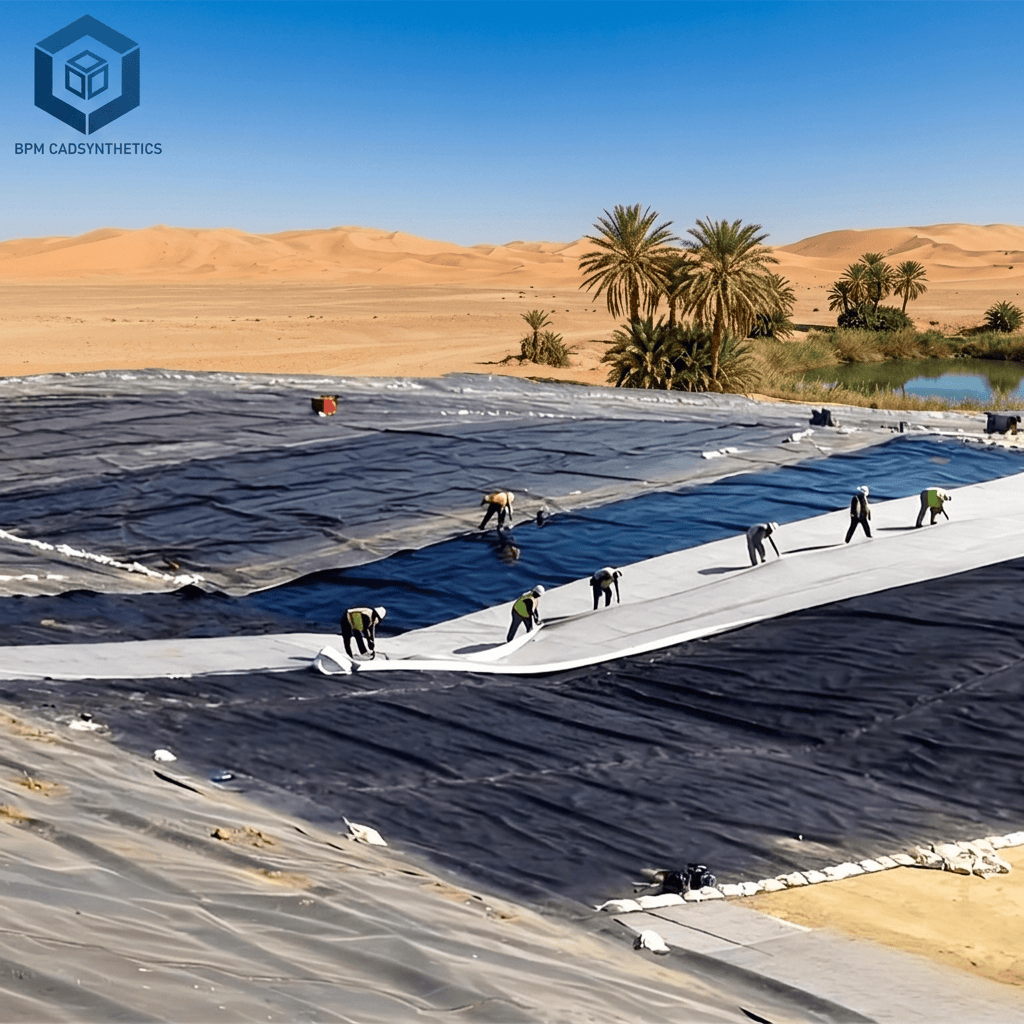
Conclusion
Start with your project type, subgrade report, fluid chemistry, and local regulations. Then select the minimum thickness that meets those requirements. Add geotextile protection before you jump to a thicker liner. Always source HDPE geomembrane with full test reports, UV stabilization, and reliable factory welding support.
BPM Geomembrane delivers smooth and textured HDPE liners from 0.5 mm up to 3.0 mm. We support engineers, contractors, and project owners with technical review, material certificates, and global shipment for aquaculture, landfill, mining, biogas, and water storage projects. Send your project details to our technical team, and we will help you confirm the correct HDPE liner thickness for your site.