Introduction.
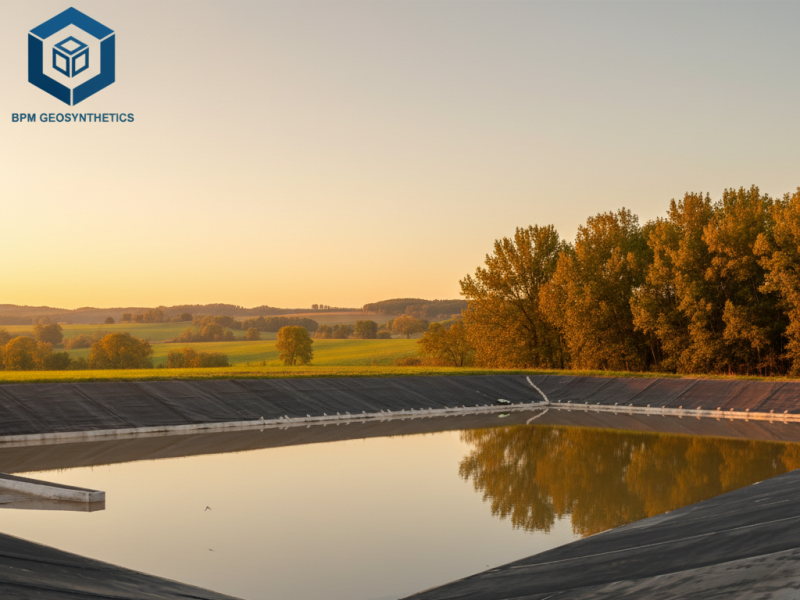
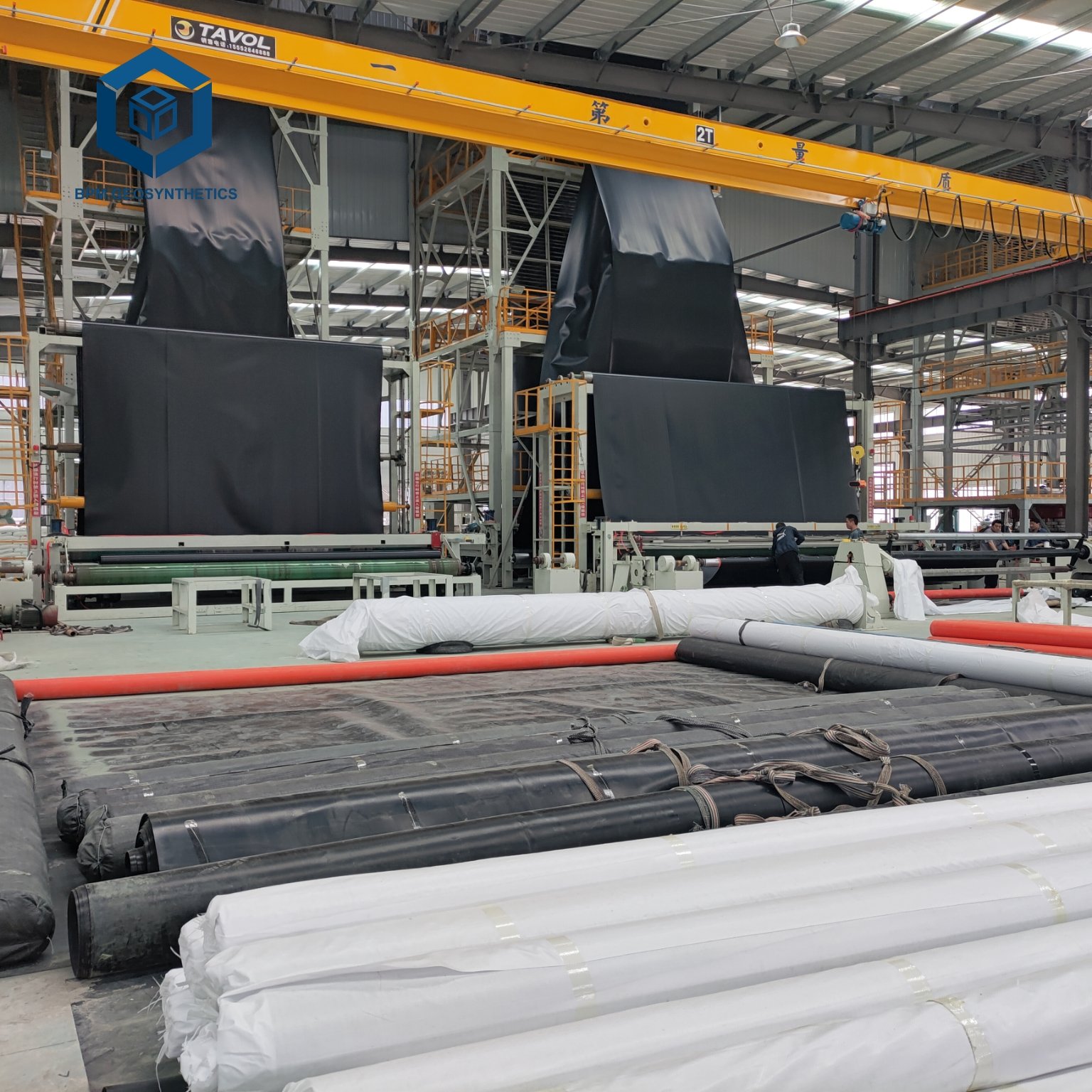
High-density polyethylene (HDPE) liners, commonly known as geomembranes, are the backbone of anti-seepage solutions in construction, environmental protection, and water management projects worldwide. From landfill containment to agricultural irrigation systems, their reliability directly impacts project durability and long-term value. For procurement teams, contractors, and project planners, navigating HDPE liner sourcing can be challenging—with investment levels varying widely based on product attributes and project demands.
1. HDPE Liners: Core Basics for Cost Context
To understand HDPE liner investment considerations, it’s first critical to grasp what these materials are and why their specifications matter. This foundational context will help you interpret differences in investment levels and make informed sourcing decisions.
1.1 What Are HDPE Liners
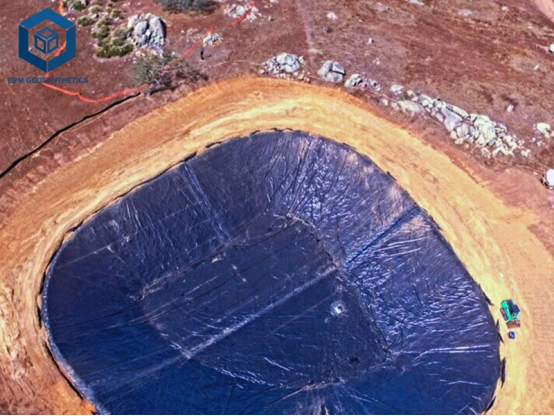
HDPE liners are synthetic geomembranes manufactured via extrusion of high-density polyethylene resin. Their defining properties—low permeability, chemical resistance, high tensile strength, and weather durability—make them ideal for preventing fluid leakage in diverse applications. Common uses include:
- Landfill and waste containment
- Water storage
- Coastal and slope protection
- Industrial tanks and secondary containment for chemicals and oils
Unlike traditional clay liners or asphalt solutions, HDPE liners are lightweight, easy to install, and require minimal long-term maintenance—attributes that contribute to their overall value efficiency despite potentially higher initial investment.
2. Top 4 Factors That Influence HDPE Liner Investment Levels
HDPE liner investment levels are not arbitrary. A combination of material, production, and market factors shapes them. Below are the six most impactful variables that will determine the investment required for HDPE liners:
2.1 Raw Material:
The quality of HDPE resin is the single biggest factor influencing liner investment levels. Resin accounts for 60-70% of the total production input, so differences in resin type and grade directly impact the final investment required:
2.1.1 Virgin HDPE Resin
Liners made from 100% virgin HDPE resin offer superior performance: higher tensile strength, better resistance to chemicals and UV radiation, and a longer service life (15-30 years). These liners require a higher investment than recycled alternatives and are mandatory for critical applications like drinking water reservoirs and hazardous waste landfills, where failure risks are high.
2.1.2 Recycled HDPE Resin
Recycled HDPE resin (sourced from post-consumer or post-industrial waste) is a value-oriented option for non-critical projects. While these liners are more budget-friendly, they have lower performance metrics—shorter service life (5-10 years) and reduced resistance to harsh chemicals. They’re ideal for temporary applications like agricultural drainage ditches or small decorative ponds.
Global oil prices also influence resin costs. In 2025, HDPE resin costs have seen an increase from 2023 due to supply chain pressures and energy costs. This uptick has directly translated to adjusted investment levels for HDPE liners across the market.
2.2 Liner Thickness & Performance Specifications
Thickness is the second most important factor influencing investment, as it directly correlates to raw material usage and production complexity. Additionally, performance specs like tensile strength and elongation further impact the required investment:
2.2.1 Thickness Ranges & Investment Impact
HDPE liners typically range from 0.5mm to 3.0mm in thickness. Here’s how thickness impacts investment levels
- 0.5mm-0.8mm: Budget-friendly (temporary projects, light-duty use)
- 1.0mm-1.5mm: Mid-range (most common; agricultural, residential ponds)
- 2.0mm-3.0mm: Premium (heavy-duty; landfills, large reservoirs)
Thicker liners not only use more resin but also require specialized production equipment, adding to manufacturing costs.
2.2.2 Tensile Strength & Elongation
Liners with higher tensile strength (ability to resist stretching) and elongation at break (ability to deform without tearing) require a higher investment. For example, liners with a tensile strength of ≥20 kN/m involve a greater investment than those with 10-15 kN/m. These high-performance liners are essential for projects with uneven terrain or potential soil movement, like slope protection.
2.2.3 Roll Dimensions (Width & Length)
Standard roll sizes (4-8m width, 50-100m length) are the most value-efficient because they minimize production setup time and transportation costs. Custom sizes—such as widths over 10m or lengths under 30m—require tailored manufacturing, which increases the required investment. For large projects, choosing standard sizes can significantly optimize overall procurement costs.
2.3 Production Processes & Value-Added Treatments
The manufacturing process and any additional treatments applied to HDPE liners also affect investment levels. Advanced processes and treatments enhance performance but require additional production input:
Extrusion-calendering is a premium production process that produces liners with uniform thickness and a smooth surface. These liners involve a higher investment than those made via blow molding, which can result in slight thickness variations. Extrusion-calendered liners are preferred for projects requiring precise fit and weldability, like industrial tanks.
2.4 Purchase Volume & Supplier Relationships
Your order size and the type of supplier you work with can lead to significant variations in investment levels. Procurement teams can leverage these factors to optimize procurement efficiency:
2.4.1 Volume-Based Value Optimization
Suppliers offer preferential terms for bulk orders, thanks to economies of scale. For example:
- Small order (e.g., 1,000 sqm): Standard procurement terms (1.0mm liner)
- Large order (e.g., 20,000+ sqm): Preferential procurement terms (1.0mm liner)
Consolidating orders across multiple projects or partnering with other buyers can help you qualify for more favorable terms.
2.4.2 Supplier Type
Purchasing directly from manufacturers eliminates intermediate markups, resulting in more favorable procurement terms than buying from distributors. However, manufacturers typically have higher minimum order quantities (MOQ: 1,000-5,000 sqm). Distributors offer lower MOQs (500-1,000 sqm) but with additional service-related costs. For small projects, distributors may be the only feasible option, but for large-scale needs, direct manufacturing partnerships are more value-efficient.
3. 2025 HDPE Liner Sourcing Guide: By Type & Application
Below are the latest 2025 sourcing guidelines for HDPE liners, organized by type and common application. These guidelines are for reference only and will vary based on the factors outlined above.
3.1 Standard HDPE Liners
Standard liners are the most common choice for general-purpose anti-seepage projects. They’re available in both virgin and recycled resin options, with varying value propositions:
- 0.5mm-0.8mm (recycled resin): Value-oriented. MOQ: 1,000-5,000 sqm. Ideal for temporary drainage ditches, small garden ponds, and construction site sediment control.
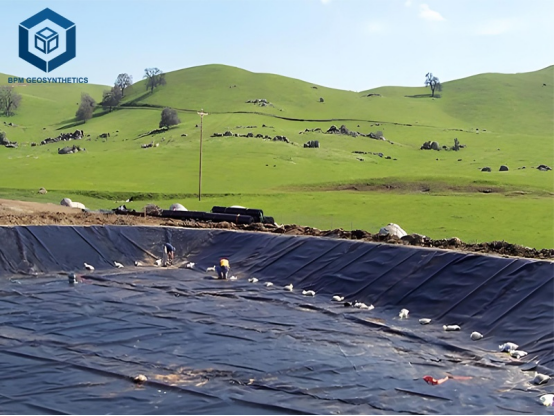
- 1.0mm-1.5mm (virgin or recycled resin): Balanced value. MOQ: 1,000-2,000 sqm. The most versatile option, suitable for agricultural irrigation canals, residential swimming pools, and small reservoirs.
- 2.0mm-3.0mm (virgin resin): Premium value. MOQ: 1,000 sqm. Designed for heavy-duty applications like municipal landfills, drinking water reservoirs, and coastal erosion control.
3.2 Enhanced HDPE Liners
Enhanced liners are engineered for specific challenging environments, with treatments that boost durability and performance, offering tailored value propositions:
- UV-resistant HDPE liners: Balanced value with modest premium. (1.0mm-1.5mm). Involves additional input compared to standard options. Suitable for long-term outdoor projects like open-air ponds, golf course water features, and slope protection.
- Chemical-resistant HDPE liners: Premium value proposition (1.0mm-3.0mm). Requires higher investment than standard liners. Ideal for chemical storage tanks, industrial waste ponds, and hazardous waste landfills.
4. Expert Procurement Strategies
Optimizing HDPE liner procurement doesn’t mean compromising quality. By following these expert strategies, you can enhance value efficiency while ensuring your liner meets project requirements:
4.1 Align Liner Specs with Project Needs
The biggest inefficiency is selecting a liner that’s over-specified for your project. For example:
- A small backyard pond doesn’t need a 2.0mm virgin resin liner—opt for a 1.0mm recycled liner to enhance value efficiency.
- A temporary construction sediment basin doesn’t require UV resistance—skip the treatment to optimize procurement.
Work with your supplier to conduct a project needs assessment, defining factors like service life, environmental conditions, and fluid type to select the right liner.
4.2 Compare Multiple Suppliers
Don’t just compare initial sourcing terms—evaluate the total value of ownership. Request proposals from 3-5 suppliers (including manufacturers and distributors) and ask for a detailed breakdown of:
- Material-related costs per sqm
- Shipping and handling fees (FOB vs. CIF)
- Certification costs (e.g., ISO 9001, ASTM)
- After-sales services (technical support, installation guidance)
A supplier with slightly higher initial terms may offer free shipping or technical support, resulting in better overall value.
4.3 Leverage Bulk Buying & Order Consolidation
If your project volume is below the bulk discount threshold, consider:
- Consolidating orders with other departments or projects within your organization.
- Partnering with other small contractors to place a joint order.
Even a moderate reduction in unit-related costs can translate to significant value gains for large projects.
4.4 Build Long-Term Relationships
Long-term partnerships with HDPE liner manufacturers offer multiple benefits:
- Preferential terms (discounts for repeat customers)
- Flexible MOQs for small urgent orders
- Free samples and technical support
- Priority production during supply chain shortages
When choosing a manufacturer, prioritize those with international certifications (ISO 9001, ASTM) to ensure consistent quality.
5. Conclusion
HDPE liner investment is influenced by raw material quality, thickness, production processes, order volume, and geography. Successful procurement lies in aligning liner specifications with project needs—balancing upfront investment and long-term durability—rather than pursuing the lowest initial terms.
Avoiding over-engineering, leveraging bulk purchasing, and partnering with reputable manufacturers optimizes investment value while ensuring reliable anti-seepage performance. A quality upfront investment reduces long-term maintenance and replacement costs, delivering lasting value.
Ready for a customized HDPE liner solution? Contact us, The Best Project Material Co., Ltd. for competitive terms, free quality samples, and tailored support across applications—from landfills to agricultural irrigation. Let us match you with the ideal liner for your project needs and value goals.