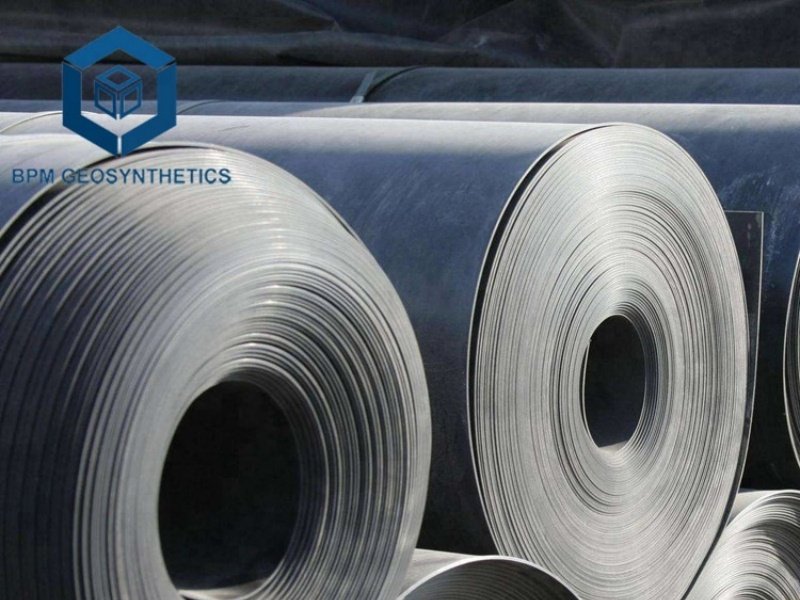
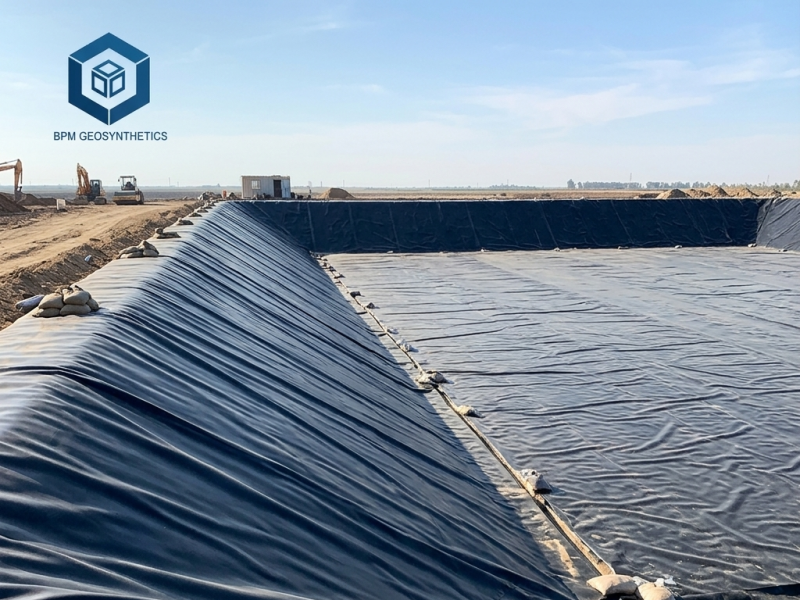
If you are building a pond, whether for fish farming, decorative landscaping, water storage, or industrial use, one of the most critical decisions you will make is choosing the right liner. Among all options available today, HDPE pond liner stands out as the most durable, cost-effective, and environmentally safe solution. This ultimate guide will walk you through everything you need to know before buying an HDPE pond liner for sale.
1. What Is an HDPE Pond Liner?
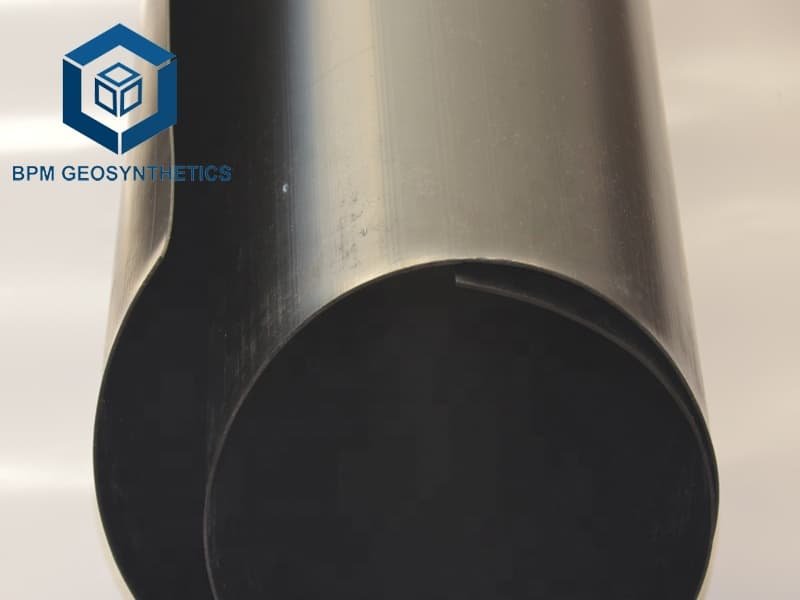
HDPE stands for High-Density Polyethylene. It is a type of thermoplastic made from petroleum. An HDPE pond liner is a thin sheet of this material used to line the bottom and sides of a pond to prevent water from leaking into the ground.
Unlike PVC or EPDM liners, HDPE is known for its high strength, chemical resistance, and long service life. It is commonly black or dark grey and comes in rolls of various widths and thicknesses. You can find HDPE pond liner for sale from many suppliers online and offline, but knowing what to look for will save you time and money.
1.1 How Is It Made?
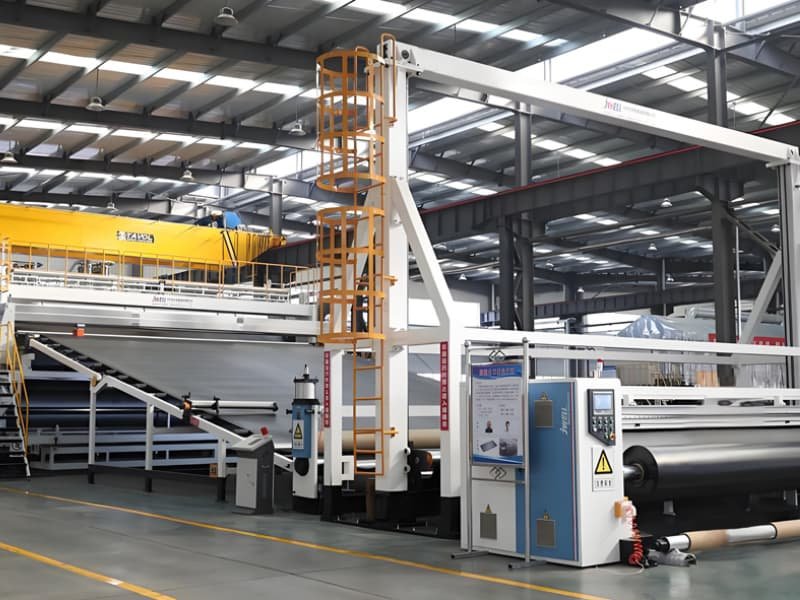
HDPE liners are manufactured through a process called extrusion. The raw HDPE resin is melted and then forced through a flat die to form a continuous sheet. This sheet is then cooled, rolled, and cut to specific dimensions. Some liners are smooth, while others have a textured surface for added friction on slopes.
2. Why Choose HDPE Over Other Pond Liners?
There are several types of pond liners on the market: PVC (Polyvinyl Chloride), EPDM (synthetic rubber), RPE (Reinforced Polyethylene), and HDPE. Here is why HDPE often wins the comparison.
2.1 Superior Chemical Resistance
HDPE does not react with most chemicals, including acids, alkalis, salts, and fuels. This makes it ideal for industrial ponds, mining tailings, and agricultural runoff containment.
2.2 High Tensile Strength
It can withstand significant stress without tearing or puncturing. Even if the ground underneath settles or shifts, HDPE can stretch slightly without failing.
2.3 UV Resistance
Most HDPE pond liners for sale include carbon black as a UV stabilizer. This prevents the sun from breaking down the material, allowing it to last 20 to 50 years in exposed conditions.
2.4 Cost Effectiveness
While the upfront cost may be slightly higher than PVC, the long life and low maintenance make HDPE cheaper over time. You will not need to replace it every few years.
2.5 Environmentally Safe
HDPE is non-toxic once fully cured. It is often used for drinking water reservoirs and fish ponds because it does not leach harmful substances into the water.
3. Common Applications of HDPE Pond Liners
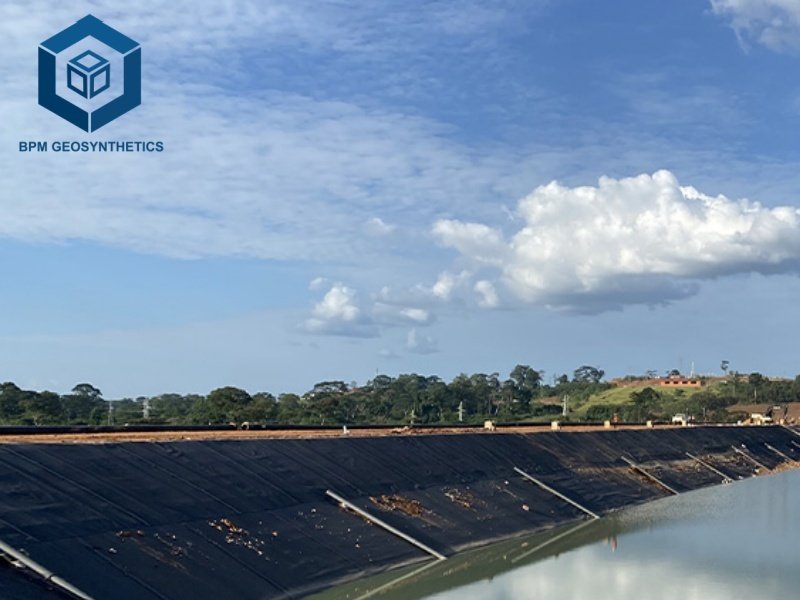
You will find HDPE pond liners in many different settings. Knowing these applications can help you decide the right thickness and size for your project.
3.1 Agricultural Ponds
Farmers use them for irrigation storage, livestock watering holes, and aquaculture (fish or shrimp ponds). The liner keeps water clean and prevents loss through seepage.
3.2 Decorative and Garden Ponds
Homeowners and landscapers install HDPE liners to create beautiful backyard ponds, waterfalls, and streams. The black color gives a natural look while holding water perfectly.
3.3 Industrial and Mining
Mining operations use HDPE to line tailings storage facilities, heap leach pads, and process solution ponds. The chemical resistance is critical here.
3.4 Landfill and Waste Containment
Municipal landfills use HDPE geomembranes as bottom liners to prevent leachate from contaminating groundwater. The same principle applies to hazardous waste ponds.
3.5 Fire Protection Reservoirs
Many rural properties keep a dedicated pond for firefighting water. An HDPE liner ensures that water stays available year-round.
4. How to Choose the Right HDPE Pond Liner for Sale
When shopping for an HDPE pond liner, you will face several choices. Do not just pick the cheapest option. Consider these factors.
4.1 Thickness (Mil or mm)
Thickness is measured in mils (1 mil = 0.0254 mm) or millimeters. Common thicknesses range from 0.5 mm (20 mil) to 2.5 mm (100 mil).
0.5 – 0.75 mm: Suitable for small decorative ponds with soft, rock-free soil.
1.0 – 1.5 mm: The most popular choice for general use, including fish ponds and irrigation reservoirs.
2.0 mm and above: Recommended for mining, industrial waste, or any site with sharp rocks or heavy equipment traffic.
4.2 Sheet Size
Manufacturers produce HDPE liners in rolls up to 7 meters wide and 100 meters or more long. For large ponds, wider sheets mean fewer seams. Fewer seams equal a lower risk of leaks.
4.3 Smooth vs. Textured
Smooth liner: Cheaper and easier to install. Ideal for flat or gently sloping bottoms.
Textured liner: Has a rough surface on one or both sides. It increases friction, preventing the liner from sliding down steep slopes. Use textured if your pond bank has an angle greater than 1:3.
4.4 Color
Black is standard because it blocks sunlight, preventing algae growth. For some decorative ponds, light grey or green liners are available, but they cost more and offer no performance advantage.
5. Where to Find HDPE Pond Liner for Sale
You have several buying channels. Each has pros and cons.
5.1 Local Building Material Suppliers
Many hardware stores or civil construction suppliers stock HDPE liners. The advantage is that you can see a sample before buying. The disadvantage is limited sizes and higher prices.
5.2 Specialized Geomembrane Manufacturers
Companies that make HDPE liners often sell directly to end users. You can order custom widths and thicknesses. This is the best option for large projects.
5.3 Online Marketplaces
Alibaba, Amazon Business, and other platforms list many HDPE pond liners for sale. Be careful with unknown sellers. Always ask for material test reports and customer reviews.
5.4 Industrial Distributors
Some distributors focus on geosynthetics for mining and environmental projects. They can provide technical advice and installation support.
Before you buy, request a sample. A reputable seller will send you a small piece so you can check flexibility, smell (should be no strong odor), and surface uniformity.
6. Installation Tips for a Leak-Proof Pond
Proper installation is just as important as buying a quality liner. Even the best HDPE pond liner will fail if installed incorrectly.
6.1 Prepare the Subgrade
Remove all rocks, roots, and debris. Compact the soil. For extra protection, add a layer of sand or geotextile fabric over the ground. The fabric acts as a cushion.
6.2 Measure and Cut
Unroll the liner and let it relax in the sun for a few hours. This makes it more pliable. Cut it with heavy scissors or a utility knife, leaving at least 30 cm of extra material around the edges.
6.3 Seaming (Joining Sheets)
If your pond requires more than one sheet, you must seam them together. There are two main methods:
Extrusion welding: A welding gun melts the edges of two sheets and fuses them with fresh HDPE rod. This creates a bond as strong as the parent material.
Thermal fusion (wedge welding): A heated wedge passes between overlapping sheets, melting them together. This is faster but requires a clean, dry surface.
For DIY small ponds, you can use double-sided butyl tape designed for HDPE, but welded seams are much stronger.
6.4 Anchoring
Dig an anchor trench around the pond perimeter, about 20 cm deep and 20 cm wide. Place the liner edge into the trench and backfill with soil or gravel. This prevents the liner from pulling out.
6.5 Fill Slowly
Once installed, fill the pond slowly. As water adds weight, the liner will settle into every contour. Adjust any wrinkles immediately before the water level rises too high.
7. Maintenance and Longevity
One of the best features of HDPE is that it requires almost no maintenance. However, a few simple habits will extend its life even further.
7.1 Regular Inspections
Walk around the pond every few months. Look for punctures caused by animals, falling branches, or ice damage. Check the anchor trench to ensure it remains covered.
7.2 Cleaning
If algae or sediment builds up, do not use metal brushes or sharp tools. Use a soft brush or a pressure washer on a low setting. For stubborn stains, mild detergent is safe.
7.3 Repairing Small Holes
If you find a hole or tear, clean the area and dry it thoroughly. Cut a patch from scrap HDPE liner, round the corners, and weld or glue it over the hole. Field repair kits are available from many HDPE pond liner suppliers.
With proper installation and basic care, your HDPE pond liner can easily last 30 years or more.
8. Common Mistakes to Avoid When Buying HDPE Pond Liner
Many first-time buyers make errors that lead to failure. Learn from them.
8.1 Buying Too Thin
Saving money on a 0.3 mm liner might seem smart, but it will tear easily. For any permanent pond, never go below 0.5 mm. For ponds with fish or livestock, use at least 1.0 mm.
8.2 Ignoring UV Protection
Some cheap HDPE liners lack sufficient carbon black. They become brittle after one summer in the sun. Always ask for UV stability test data.
8.3 Not Calculating Seams Properly
If you buy narrow rolls, you will need many seams. Each seam is a potential leak point. For a pond larger than 500 square meters, order a custom wide sheet to minimize seams.
8.4 Overlooking Delivery Costs
HDPE liners are heavy. A long-distance shipment can cost as much as the liner itself. Search for “HDPE pond liner for sale near me” or ask for delivered pricing, including freight.
9. Frequently Asked Questions
9.1 Is the HDPE liner safe for fish?
Yes. HDPE is inert and does not release toxins. Many koi and trout farms use it exclusively. Just make sure to rinse the liner before introducing fish.
9.2 Can I install an HDPE liner myself?
For small to medium ponds, yes. You will need basic tools and patience. For large commercial or mining ponds, hire a certified geomembrane installer.
9.3 How does HDPE compare to concrete?
Concrete cracks over time, especially in freezing climates. HDPE flexes with ground movement. It is also cheaper than reinforced concrete for most pond sizes.
9.4 What is the warranty on HDPE pond liners?
Reputable manufacturers offer 10 to 20 years of warranty against manufacturing defects. The actual lifespan is often twice that.
10. Final Thoughts: Making Your Purchase Decision
Now you have all the information needed to confidently shop for an HDPE pond liner. Remember these key takeaways:
Always choose a thickness appropriate for your ground conditions and water depth.
Prefer smooth liners for flat bottoms and textured liners for steep slopes.
Buy from a supplier that provides technical data sheets and UV test results.
Request a sample before placing a large order.
Plan your installation carefully, especially subgrade preparation and seam welding.
The market is full of HDPE pond liners for sale at different price points. A very cheap liner usually means low quality – recycled materials, no UV protection, or inconsistent thickness. Pay a fair price for a certified product, and your pond will serve you for decades without leaks.
If you are still unsure, contact a local geomembrane distributor. Many offer free quotes and installation guides. Whether you are building a backyard fish pond or a multi-acre industrial reservoir, HDPE remains the gold standard. Start your project right by choosing a high-quality HDPE pond liner today.