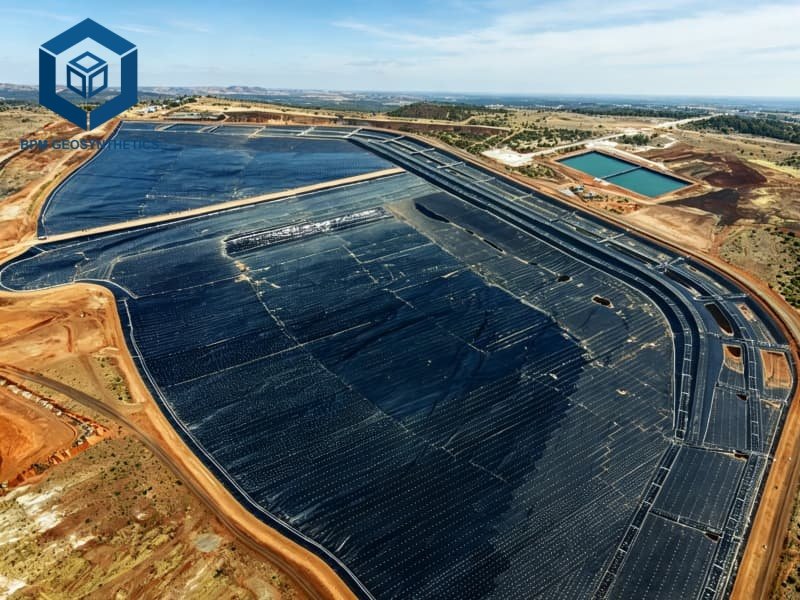
If you build a backyard water garden, farm aquaculture pond, or small lagoon, a reliable liner stops water loss and protects your investment. LDPE pond liners are growing popular for great flexibility, cold resistance, and friendly project budgets. They stretch well over uneven ground and handle minor soil movement without cracking.
Many buyers struggle to separate cheap thin sheets from certified, long-lasting geomembrane products. This guide reviews seven top LDPE pond liners for different use cases. It covers home DIY ponds, commercial fish farms, and temporary water containment. We rank each liner on material quality, puncture resistance, UV stability, available sizes, and real user feedback.
What Makes a Good LDPE Pond Liner?
Before we jump into the reviews, learn the key factors that shape your buying decision. These simple checks help you avoid leaks and early failure.
Thickness
Thickness directly controls puncture protection. Light 0.3 mm liners suit decorative ponds with smooth, rock-free bases. 0.5 mm to 1.0 mm LDPE works for fish farms, livestock watering ponds, and sites with small roots or gravel. Thicker options add cost but cut repair work over time.
Raw Material and Certification
Virgin resin LDPE performs far better than recycled blends. Trusted suppliers test liners against ASTM standards for tensile strength, elongation, and oxidative induction time. Valid certifications matter most for commercial aquaculture and environmental containment jobs.
Cold Flexibility
LDPE stays soft in cold weather, unlike stiffer HDPE. This trait fits regions with freezing winters and ponds that shift seasonally. Good LDPE can reach 700% to 1000% elongation before breaking.
UV Treatment
Outdoor ponds need carbon black or UV stabilizer additives. Untreated LDPE breaks down quickly under direct sunlight. Cover exposed liner edges with soil, stone, or turf if you pick a standard grade.
The 7 Best LDPE Pond Liners
1. BPM Geosynthetics: Best Overall
BPM Geosynthetics ranks first for balanced performance and consistent factory quality. This manufacturer supplies geomembranes for aquaculture, lagoon, irrigation, and landfill cover projects worldwide.
The liner uses pure virgin LDPE resin. It delivers high elongation and reliable low-temperature flexibility. You choose smooth or lightly textured surfaces in many standard thicknesses from 0.5 mm to 1.5 mm. Wide roll widths reduce seam counts, and fewer seams lower leakage risk.
Farm owners and civil engineers prefer this liner for fish ponds, shrimp farms, and livestock water troughs. It meets key geosynthetic test standards and supports custom cut sizes for large jobs. The main downside comes from its minimum order requirement for bulk commercial shipments. It fits serious projects more than tiny backyard DIY builds.
2. Farm Plastic Supply: Best Heavy-Duty Farm Pick
Farm Plastic Supply builds this 40 mil LDPE liner for rough farm ground. It resists punctures from gravel, plant roots, and occasional livestock contact.
This liner works well for long irrigation ponds and holding basins. It ships in large continuous sheets to cut field welding work. Homeowners may find it heavier and harder to fold during solo installation. It also carries a higher price tag than thin decorative liners.
3. VEVOR: Best Budget DIY Option
VEVOR targets small decorative ponds, koi features, and waterfall basins. Pre-cut sheet sizes fit most standard backyard layouts. The material stays lightweight and easy for one person to unroll and shape.
This budget liner suits low-risk sites with pre-smooth soil and no sharp rocks. It lacks the heavy UV package of commercial geomembranes. Plan to cover exposed sections or replace it sooner if you leave it fully uncovered year-round.
4. Goldshire: Best for Medium Water Gardens
Goldshire focuses on mid-sized residential ponds between 1000 and 5000 gallons. It balances flexibility and tear resistance for curved, natural pond shapes.
Many garden builders like its matte black finish. The dark surface blocks sunlight and slows algae growth. Stock sizes cover most common backyard builds, though custom large dimensions are harder to source.
5. Layfield: Best for Environmental Containment
Layfield makes specialty LDPE liners for environmental and municipal projects. The formula holds stable against mild chemicals and fluctuating ground movement.
Engineers select this liner for sediment ponds, stormwater basins, and temporary containment zones. It carries full third-party testing documentation. Its limited retail stock and premium pricing make it less practical for casual pond hobbyists.
6. Ogrmar: Best for Small Raised Ponds
Ogrmar sells compact, affordable LDPE sheets for small raised ponds, container water gardens, and mini aquaponic setups. Rolls arrive compact and easy to transport.
This thin liner works only on fully smooth, rock-free bases. Sharp sticks or crushed stone will punch holes quickly. It serves well for seasonal features you drain and store in winter.
7. Yeezoo: Best for Koi Hobbyists
Yeezoo designs its LDPE liner for hobby fish keepers. The material carries a fish-safe treatment and avoids harmful leaching into pond water.
It stretches nicely around custom pond shelves and planting zones. Stock sheet options cap out at medium sizes. Large commercial farms will need to combine multiple panels and weld seams carefully.
Installation Tips
Even the top liner fails with poor site prep. Follow these simple steps to get maximum service life.
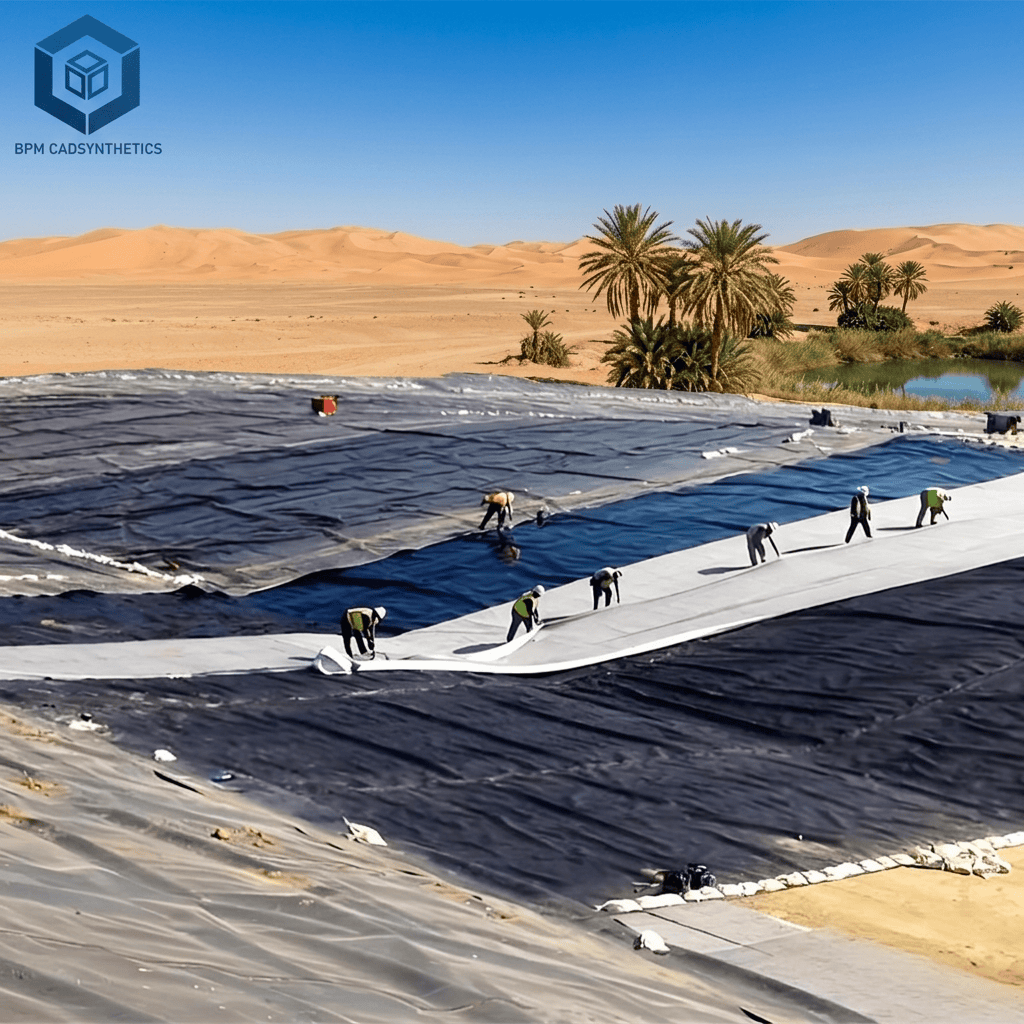
First, clear all sharp objects from the pond base. Pull roots, pick rocks, and rake away broken glass or debris. For rough ground, add a protective underlayer of sand or nonwoven geotextile. This extra layer prevents punctures.
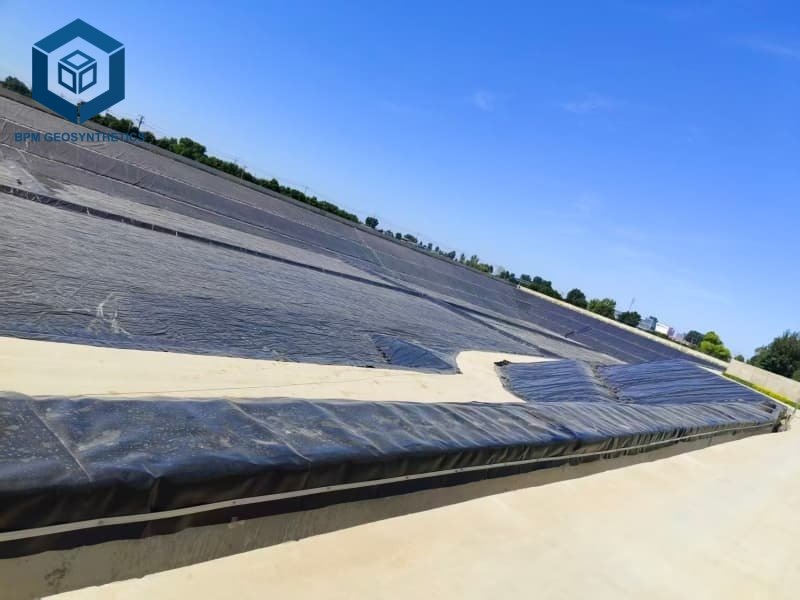
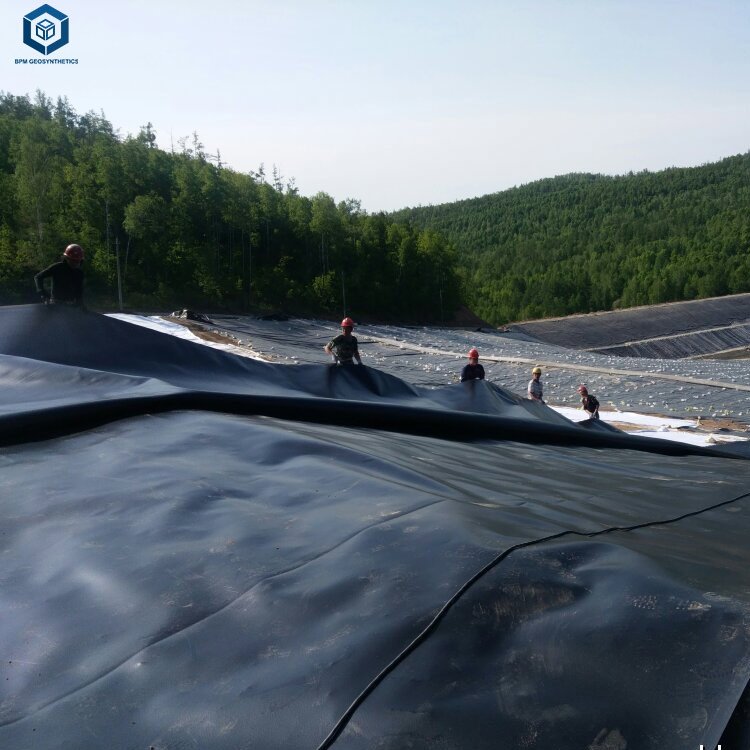
Measure your pond with extra material for overhang and folds. Most installers add 30 cm to 50 cm of extra liner on every side. Unroll the sheet and let it relax in sunlight for 30 to 60 minutes. Relaxation reduces wrinkles that trap water and weaken seams.
Fold the liner gently into pond contours. Do not pull it tight. LDPE needs room to move when soil shifts or water temperature changes. Seal seams with thermal welding for permanent jobs, or use approved liner tape only for small DIY repairs.
Anchor the top edge with soil, stone, or a concrete collar. Cover exposed liner wherever possible to slow UV aging.
FAQ
LDPE or HDPE?
LDPE gives better flexibility and cold weather performance. It conforms more easily to irregular pond shapes. HDPE offers higher puncture and UV resistance but feels stiffer. Pick LDPE for curved ponds, cold climates, and projects where ground movement is likely.
Service Life
Protected LDPE liners from trusted makers such as BPM Geosynthetics can serve 15 to 25 years. Direct sun exposure without cover cuts service life sharply. Regular inspection helps you spot small leaks before they grow.
Fish Safety
Virgin, properly formulated LDPE is safe for fish, koi, and aquaculture. Avoid low-grade recycled plastic liners with unknown additives. Always confirm food-safe and aquaculture suitability before stocking fish.
Final Verdict
Your site type sets the right liner for you. Commercial farms, shrimp ponds, and irrigation lagoons get the best value from BPM Geosynthetics LDPE pond liner. It delivers certified performance, flexible sizing options, and consistent quality for professional geosynthetic jobs.
For simple backyard decorative ponds, VEVOR and Goldshire offer friendly pricing and simple handling. Heavy farm ground calls for Farm Plastic Supply, while environmental containment projects benefit from Layfield. Small hobby ponds and aquaponics work well with Ogrmar or Yeezoo.
Always match liner thickness to your subgrade, cover exposed areas, and use geotextile underlay on rough soil. These small choices stop leaks and help your LDPE pond liner perform for decades.