1.1 Introduction
If you are involved in water conservation, agriculture, mining, or civil engineering, you have likely encountered the term plastic dam liner. Whether you are building a new reservoir, lining an existing tailings pond, or constructing an aquaculture facility, choosing the right liner is one of the most critical decisions you will make. A high-quality plastic dam liner does more than just hold water; it prevents seepage, protects groundwater, extends the lifespan of your structure, and ensures environmental compliance.
In this ultimate guide, we will walk you through everything you need to know about plastic dam liners for sale. From material types and thickness options to installation best practices and cost considerations, this article is designed to help you make an informed purchase. By the end, you will understand exactly what to look for and how to select the ideal liner for your specific project.
2.0 What Is a Plastic Dam Liner?
2.1 Definition and Purpose
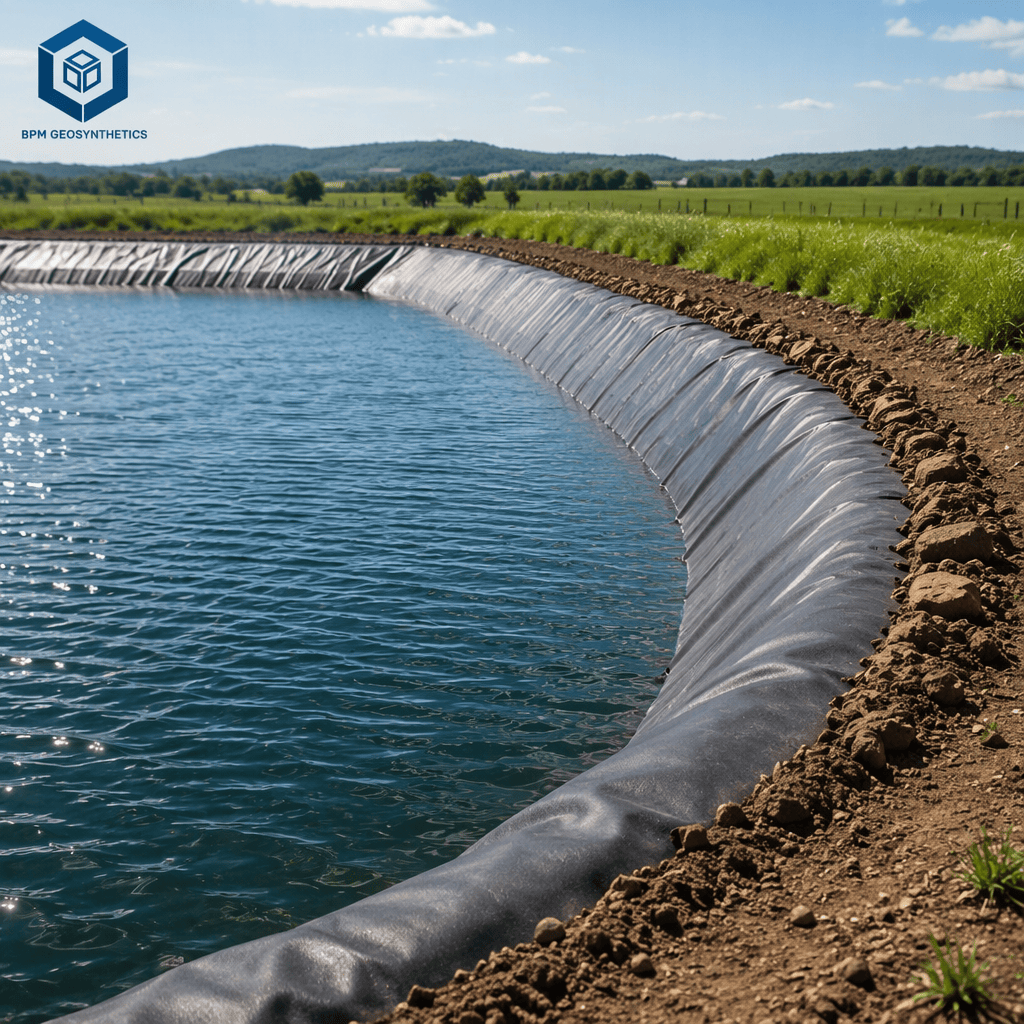
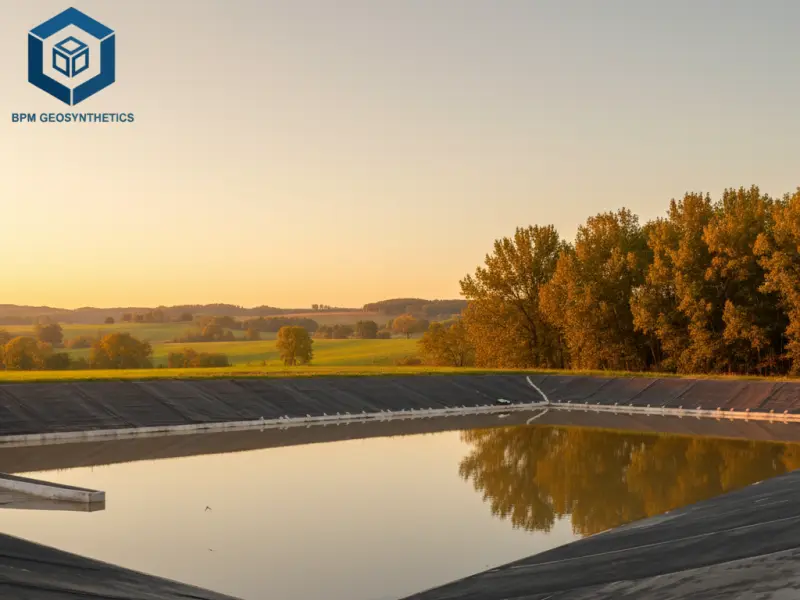
A plastic dam liner is a synthetic membrane used to create an impermeable barrier in dams, reservoirs, ponds, and other water containment structures. Its primary function is to prevent water loss through seepage while also protecting the surrounding soil and groundwater from contamination. In applications such as mining tailings ponds or industrial wastewater storage, the liner serves as a critical environmental safeguard.
2.2 How It Differs from Other Liners
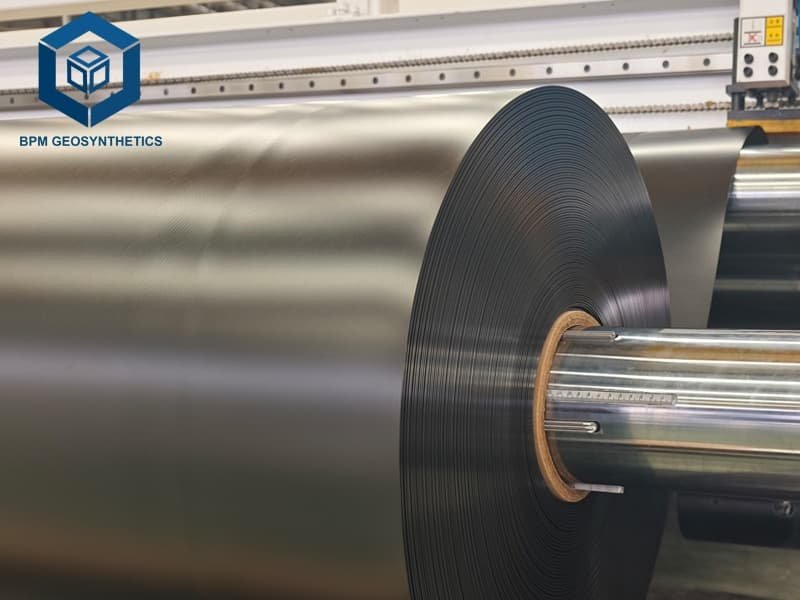
Unlike clay liners or concrete structures, plastic dam liners offer superior flexibility, durability, and ease of installation. They are manufactured in large rolls, allowing for seamless coverage even on large-scale projects. Additionally, plastic liners are resistant to a wide range of chemicals, UV radiation, and biological growth, making them suitable for both freshwater and industrial applications.
3.0 Types of Plastic Dam Liners
3.1 HDPE Geomembrane
High-Density Polyethylene (HDPE) is the most widely used material for dam liners. It is known for its exceptional chemical resistance, high tensile strength, and long service life, often exceeding 50 years. HDPE liners are available in smooth and textured finishes, with the textured version providing additional friction for slope stability.
3.2 LLDPE Geomembrane
Linear Low-Density Polyethylene (LLDPE) offers greater flexibility than HDPE, making it easier to install on uneven terrain or in cold weather conditions. While it has slightly lower chemical resistance compared to HDPE, it is an excellent choice for applications where conformability is a priority.
3.3 PVC Geomembrane
Polyvinyl Chloride (PVC) liners are flexible and lightweight, making them a popular choice for smaller projects or temporary installations. However, they are less durable than polyethylene options and may require more frequent maintenance.
3.4 Composite Geomembranes
Composite liners combine a geomembrane with a geotextile layer, offering both waterproofing and protection against puncture. These are often used in applications where the subgrade contains sharp rocks or debris.
4.0 Key Properties to Consider
4.1 Thickness
Thickness is one of the most critical specifications. For dam liners, thickness typically ranges from 0.5mm to 2.0mm. Thinner liners (0.5mm to 0.75mm) are suitable for agricultural ponds and fish farms, while thicker liners (1.5mm to 2.0mm) are recommended for mining tailings ponds, large reservoirs, and industrial applications where durability and chemical resistance are paramount.
4.2 Tensile Strength
Tensile strength determines how much stress the liner can withstand during installation and operation. Higher tensile strength is essential for projects with steep slopes or high hydraulic pressure.
4.3 UV Resistance
For exposed applications, UV resistance is non-negotiable. High-quality HDPE liners contain carbon black and other stabilizers that prevent degradation from prolonged sunlight exposure.
4.4 Chemical Resistance
If your project involves industrial wastewater, mining tailings, or agricultural runoff with high chemical content, ensure the liner is formulated to resist acids, alkalis, and hydrocarbons.
5.0 Common Applications
5.1 Agricultural Reservoirs and Irrigation Ponds
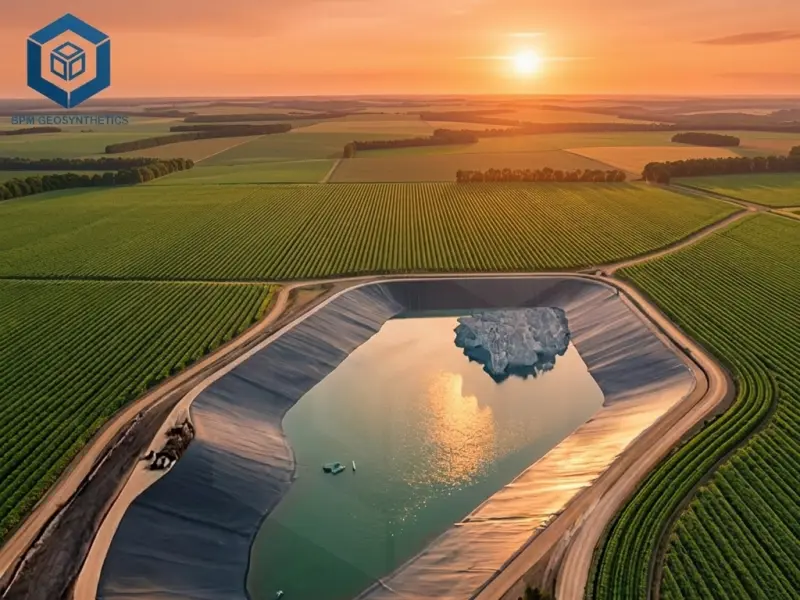
Farmers and agricultural operations use plastic dam liners to create reliable water storage for irrigation. A properly lined pond reduces water loss to near zero, ensuring a consistent supply even during dry seasons.
5.2 Mining Tailings Ponds
Mining operations generate large volumes of tailings that must be contained safely. HDPE liners are the industry standard for tailings ponds due to their chemical resistance and long-term durability.
5.3 Aquaculture and Fish Farming
In fish and shrimp farming, water quality is critical. Plastic liners prevent contamination from soil-borne pathogens and allow for precise water management.
5.4 Municipal Water Reservoirs
Cities and municipalities use dam liners to line drinking water reservoirs, ensuring that potable water remains uncontaminated.
5.5 Industrial Wastewater Treatment
Manufacturing facilities often require lined lagoons for wastewater treatment. Plastic liners provide a secure barrier against leaks that could harm the environment.
6.0 Installation Best Practices
6.1 Site Preparation
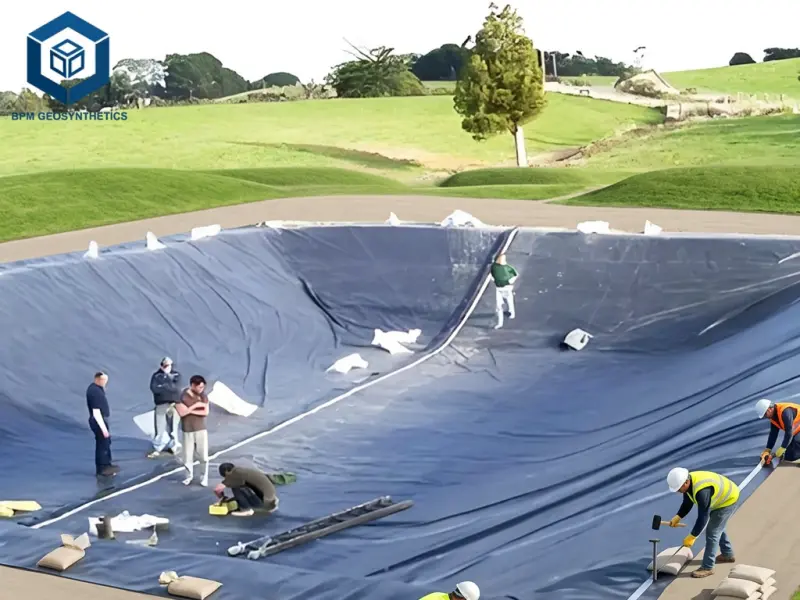
Before installation, the subgrade must be properly prepared. This involves removing sharp rocks, roots, and debris, followed by compacting the soil to create a smooth, stable base. In many cases, a geotextile underlayment is used to provide additional puncture protection.
6.2 Panel Deployment and Seaming
Plastic dam liners are supplied in large rolls that are deployed across the prepared surface. Adjacent panels are joined using either thermal fusion welding (for HDPE) or adhesive bonding (for PVC). Proper seaming is the most critical step in ensuring a watertight system.
6.3 Anchor Trenches and Ballasting
To prevent wind uplift and sliding, the liner edges are secured in anchor trenches around the perimeter. For sloped applications, textured liners or additional ballasting may be required.
6.4 Quality Control
During installation, quality control measures such as non-destructive testing and vacuum testing should be conducted on all seams to verify integrity.
7.0 How to Choose the Right Supplier
7.1 Manufacturing Capabilities
When sourcing a plastic dam liner for sale, look for suppliers with in-house manufacturing capabilities. This ensures consistent quality and allows for customization in terms of thickness, roll width, and surface texture.
7.2 Certifications and Standards
Reputable suppliers will provide products that meet international standards such as GRI-GM13 (for HDPE geomembranes) or ASTM testing protocols. Request test reports to verify properties like tensile strength, tear resistance, and carbon black content.
7.3 Customization Options
Every project is unique. A good supplier should offer customization, including various thicknesses (0.5mm, 0.75mm, 1.0mm, 1.5mm, 2.0mm), roll widths, and smooth or textured surfaces.
7.4 Technical Support and Warranty
Installation support can be invaluable, especially for large or complex projects. Inquire whether the supplier provides onsite technical assistance or installation guidance. Additionally, review the product warranty for peace of mind.
8.0 Cost Factors
8.1 Material Cost
The primary cost driver is the material itself, which varies based on type, thickness, and surface finish. HDPE liners are generally mid-range in cost, offering an excellent balance of durability and affordability.
8.2 Transportation and Logistics
Given that liners are often shipped in large rolls, transportation costs can be significant. Choosing a supplier with efficient logistics or regional warehousing can help reduce freight expenses.
8.3 Installation Labor
Installation costs depend on site accessibility, slope steepness, and total square footage. Proper planning and using experienced installers can minimize long-term issues.
8.4 Long-Term Value
While upfront cost is important, consider the long-term value. A high-quality liner with a 50-year lifespan offers far better ROI than a lower-grade product that requires replacement or repairs within a decade.
9.0 Frequently Asked Questions
9.1 How long does a plastic dam liner last?
High-quality HDPE liners can last 50 years or more when properly installed and maintained. UV-stabilized formulations ensure longevity even in exposed conditions.
9.2 Can I install a dam liner myself?
For small ponds or agricultural applications, DIY installation is possible with proper guidance. However, for large-scale or industrial projects, professional installation is strongly recommended to ensure seam integrity and warranty compliance.
9.3 What thickness do I need?
For fish farms and irrigation ponds, 0.5mm to 0.75mm is typically sufficient. For mining tailings or large reservoirs, 1.5mm to 2.0mm is recommended.
9.4 Are plastic dam liners environmentally safe?
Yes. Modern plastic dam liners are engineered to be inert and chemically stable. They are widely used for potable water storage and environmental containment applications.
9.5 Do I need a geotextile underlayment?
If your subgrade contains sharp rocks, roots, or debris, a geotextile underlayment adds an extra layer of protection against punctures. For smooth, compacted subgrades, it may not be required.
10.0 Conclusion
Selecting the right plastic dam liner is a decision that impacts the safety, efficiency, and longevity of your water containment project. By understanding the different material types, key properties, and application-specific requirements, you are better equipped to make a choice that aligns with your project goals.
Whether you need a 0.5mm liner for an aquaculture pond or a 2.0mm textured liner for a mining tailings facility, quality and supplier reliability should never be compromised. A properly selected and professionally installed plastic dam liner will deliver decades of reliable service, protecting your investment and the surrounding environment.
If you are currently evaluating plastic dam liners for sale, take the time to assess your project requirements and partner with a manufacturer that offers both product excellence and technical support. With the right approach, your containment system will perform flawlessly for years to come.