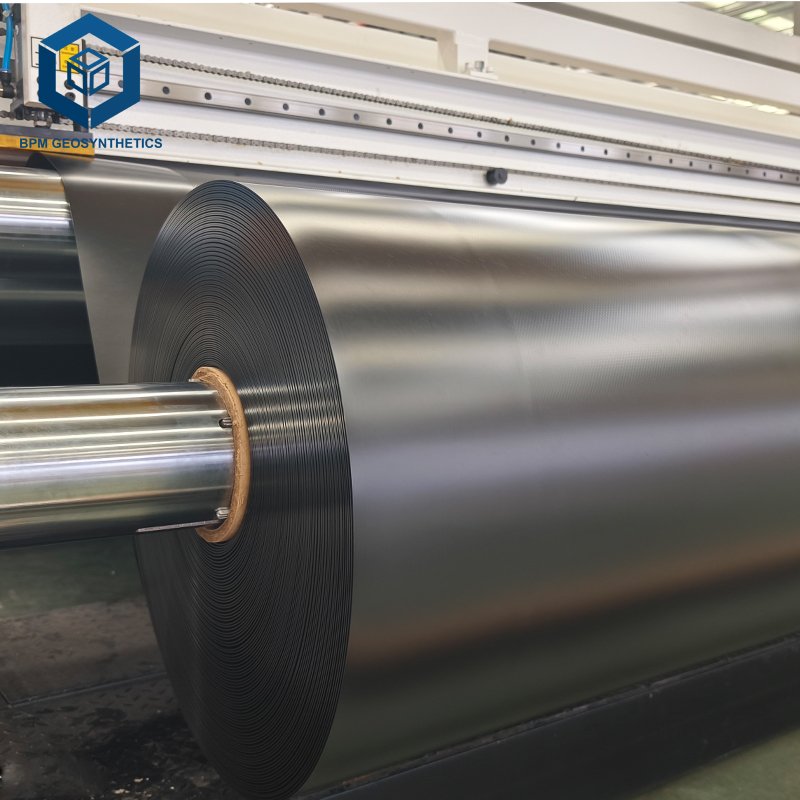
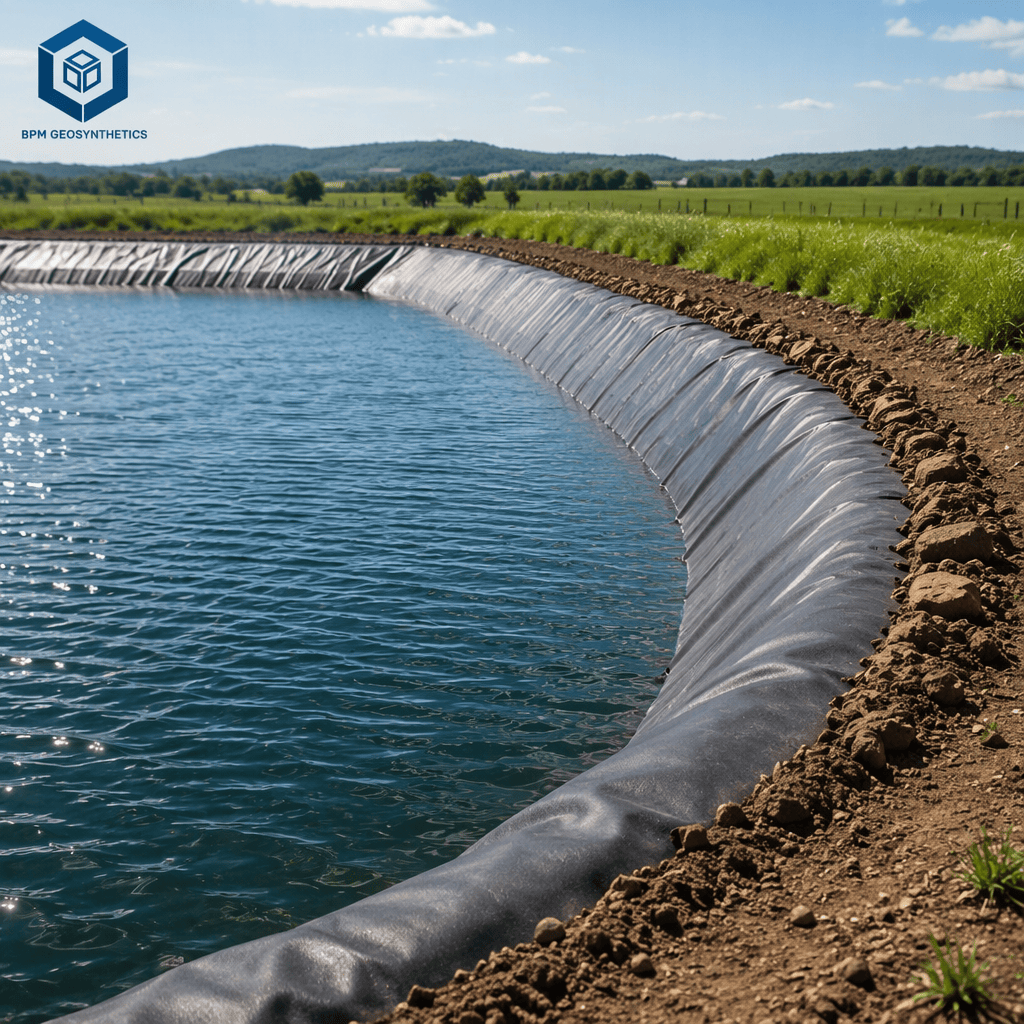
HDPE Pond Liner is a synthetic membrane barrier engineered for containment applications including ponds, reservoirs, aquaculture facilities, and landfill projects. Its primary function is to prevent liquid and gas migration, ensuring environmental protection and efficient water resource management. Among all geomembrane options, HDPE (High-Density Polyethylene) Pond Liner stands out as the most widely adopted solution. It offers a cost-effective, reliable, and long-lasting approach to maintaining containment integrity.
BPM Geosynthetics is a leading HDPE Pond Liner manufacturer and supplier, offering wholesale pricing at factory-direct rates. Whether you need a liner for a fish farm, decorative pond, or industrial reservoir, BPM delivers advanced HDPE solutions to projects worldwide.
1. What Is HDPE Pond Liner?
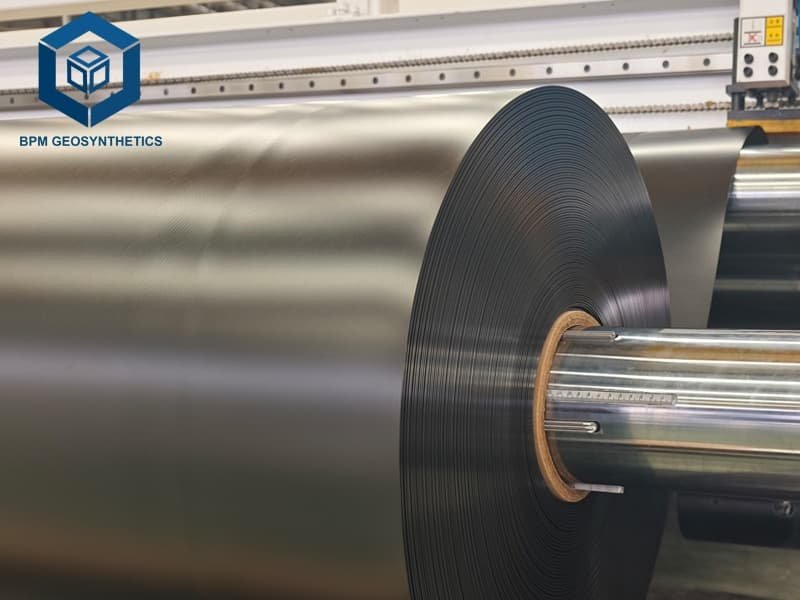
HDPE Pond Liner is an ultra-low permeability synthetic membrane, designed to work alongside geotechnical materials and control fluid migration in man-made structures. BPM’s HDPE Pond Liner is manufactured from high-density polyethylene using world-class extrusion and calendaring processes. The result is a continuous, flexible, and uniformly thick film.
Why HDPE? The material delivers outstanding chemical resistance, exceptional durability, and minimal permeability. It resists acids, alkalis, and biological degradation far better than most alternatives. This makes it the go-to choice for engineers and project managers who demand long-term performance.
BPM HDPE Pond Liner is typically available in thicknesses ranging from 0.2mm to 3mm and widths from 1 meter to 10 meters, accommodating virtually any project scale.
2. How to Choose the Right HDPE Pond Liner for Sale
Selecting the correct HDPE Pond Liner requires careful evaluation of multiple factors. Below is a systematic breakdown.
2.1 Raw Material Quality
The raw material directly determines liner performance. Several key aspects must be considered.
Physical Properties: Geomembranes made from different raw materials exhibit varying levels of tensile strength, puncture resistance, and tear resistance. Higher-grade HDPE offers superior mechanical performance, which is critical in high-stress applications.
Chemical Properties: Acid resistance, alkali resistance, and aging resistance all depend heavily on the polymer formulation. For projects involving aggressive chemicals or contaminated water, material selection becomes even more critical.
Biodegradability: Certain raw materials may make geomembranes more susceptible to microbial degradation, thereby shortening their service life. Premium HDPE resin resists this effectively.
Cost: Raw material prices vary significantly, and this directly affects the overall project budget. However, the cheapest option is rarely the best long-term investment.
Environmental Adaptability: Different HDPE formulations perform differently under cold, heat, and UV exposure. Projects in harsh climates demand materials with proven environmental resilience.
Therefore, when selecting HDPE raw materials, it is essential to comprehensively weigh all the above factors against specific engineering requirements and site conditions.
2.2 Application Requirements
Matching the liner to the application is equally important. The specifications of HDPE Pond Liner directly affect both performance and application scope. Different thicknesses should be selected for different environments.
Engineering Demands: High-pressure or high-puncture-force scenarios require thicker liners. Conversely, fish pond projects and decorative water features can often use thinner, more economical options.
Soil Conditions: Sharp or rocky soils pose a greater threat to liner integrity. In such conditions, a thicker HDPE Pond Liner is strongly recommended to improve damage resistance.
Expected Service Life: Thicker liners generally offer longer service lives. If a project demands 20+ years of performance, investing in a heavier gauge is a wise decision.
Environmental Factors: Climate conditions, soil moisture, and UV exposure all play a role. In harsh environments, thicker HDPE liners provide enhanced protection and peace of mind.
2.3 Choose a Professional HDPE Pond Liner Manufacturer
The manufacturer you choose is the single most important factor in ensuring product quality and project success. Here are the key criteria.
Product Quality and Certification: Always choose manufacturers with recognized certifications such as ISO 9001 for quality management and ISO 14001 for environmental management. These certifications confirm that products meet rigorous international standards.
Production Scale and Technical Strength: A manufacturer with a moderate-to-large production scale and strong R&D capabilities can deliver more stable and reliable products. Scale also means shorter lead times and greater consistency.
Product Variety and Customization: Ensure the manufacturer can supply HDPE liners in various thicknesses, widths, and configurations. Customization capability is a major advantage for specialized projects.
Service Level: A full range of pre-sales, in-sales, and after-sales services — including technical support and engineering guidance — can make or break a project.
Customer Reputation and Track Record: Review the manufacturer’s project portfolio and client testimonials. Real-world cases speak louder than marketing claims.
Price and Delivery Cycle: Price matters, but it should not be the only factor. A reasonable price combined with a reliable delivery schedule ensures your project stays on track.
Environmental and Social Responsibility: Choose manufacturers committed to sustainable production practices and community responsibility. This reflects long-term business integrity.
BPM Geosynthetics meets every one of these criteria. With 14 years of industry experience, ISO-certified facilities, a 16,000 m² factory, and exports to over 100 countries, BPM is a trusted global partner for HDPE Pond Liner procurement.
3. Installation Steps for HDPE Pond Liner
Proper installation is just as critical as material selection. A poorly installed liner, no matter how high the quality, will fail. The typical process includes the following steps.
Step 1 — Site Preparation: Clear all vegetation, remove debris, and level the ground to create a stable, even foundation. Any sharp rocks or roots must be eliminated.
Step 2 — Survey and Design: Conduct a detailed site survey and map out the complete liner layout, including anchor trenches, drainage features, and seam locations.
Step 3 — Trench Excavation: Dig perimeter trenches along the edges where the HDPE liner will be anchored. These trenches ensure secure positioning and long-term stability.
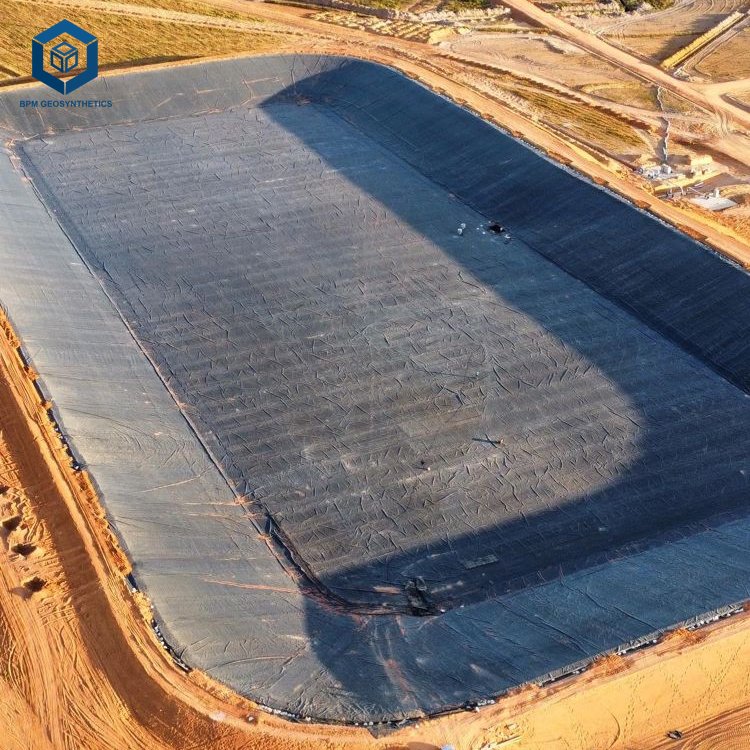
Step 4 — Liner Placement: Unroll the HDPE sheets carefully across the prepared surface. Eliminate all folds, wrinkles, or creases — even minor imperfections can compromise the barrier’s integrity.
Step 5 — Seam Sealing: Fuse or weld all seams using heat-welding equipment according to manufacturer specifications. This creates a continuous, fully impermeable barrier with no weak points.
Step 6 — Protective Cover: Place a protective layer of soil or gravel over the liner. This shields the HDPE from puncture damage and UV degradation during and after construction.
Step 7 — Quality Control: Perform thorough inspection checks to verify that the installation complies with all engineering and environmental standards. Only then should the area be backfilled and restored.
4. Summary
Choosing the right HDPE Pond Liner is not a decision to take lightly. It directly impacts project safety, environmental compliance, and long-term cost efficiency. High-quality HDPE liners reduce leakage risk, extend service life, and protect water resources for decades.
BPM Geosynthetics combines 14 years of manufacturing expertise with a global supply network. From 0.2mm to 3mm thickness, from 1m to 10m width — BPM delivers advanced HDPE Pond Liners at competitive factory prices to customers in over 100 countries.