A good liner creates a strong barrier between the pond and the surrounding soil. It prevents seepage, stabilizes water levels and supports effective runoff management. The material also helps the pond maintain its designed storage capacity over time.
A reliable stormwater pond liner helps keep the pond watertight and reduces long-term maintenance. This guide looks at seven top options for different project needs.
Why a Quality Stormwater Pond Liner Matters for Stormwater Ponds
A good liner creates a strong barrier between the pond and the surrounding soil. It prevents seepage, stabilizes water levels and supports effective runoff management. It also helps the pond maintain its designed storage capacity over time.
Low-quality liners may leak, crack or degrade quickly. They can force project teams to repair sections more often. Choosing the right stormwater pond liner reduces unexpected costs and keeps the system working as intended.
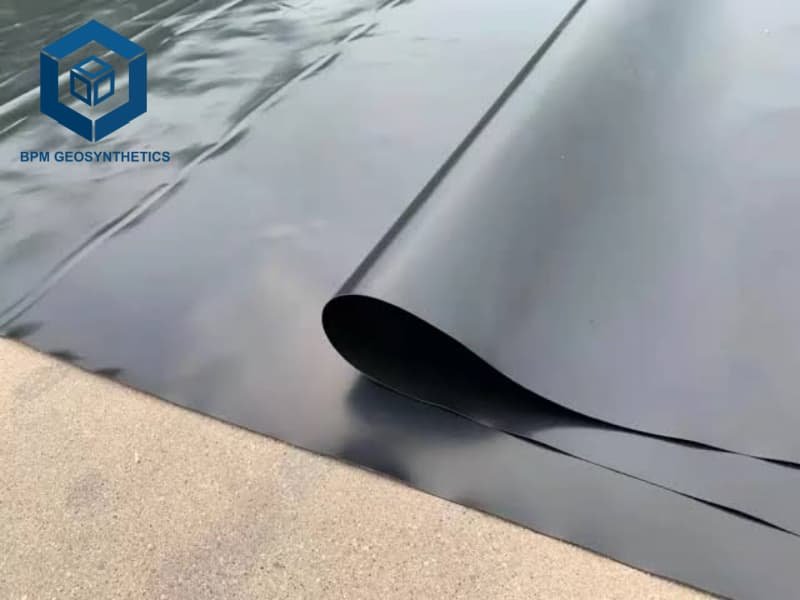
1. The 7 Best Stormwater Pond Liners
1.1 HDPE Liner – Best for Long-Term Stormwater Systems
HDPE is one of the most widely used materials for permanent water containment. It offers high puncture resistance, good chemical stability and low water permeability. Engineers pick it for large retention basins and municipal stormwater sites.
This material also withstands wide temperature changes. It resists cracking in cold weather and remains stable under summer heat. Such traits make it a strong pick for long-term civil drainage structures.
HDPE liners can often be produced to custom thicknesses and dimensions. They work well for large ponds, retention basins and long-term civil drainage structures.
1.2 LLDPE Liner – Best for Flexible Terrain and Irregular Stormwater Pond Liner Shapes
LLDPE offers excellent flexibility compared with stiffer liner materials. It moves with the ground and adapts to uneven bases, slopes and curved designs. Use this material for sites where minor ground settlement happens.
It also resists stretching and tearing under stress. LLDPE maintains its waterproof properties through normal ground movement and installation work. Many contractors prefer it for smaller basins and landscaped areas.
This liner type fits residential community ponds, small detention basins and irregular landscape structures. It is also a flexible option when the stormwater pond liner must follow complex ground contours.
1.3 EPDM Liner – Best for UV Exposure and Outdoor Aging
EPDM is known for strong weather resistance. It handles UV exposure, oxidation and temperature fluctuations well. Select this liner for ponds exposed to direct sunlight all year.
It stays flexible even after decades outdoors. EPDM does not turn brittle as fast as some other materials. The sheet tolerates contact with common soils and mild chemicals found in rain runoff.
EPDM liners are often chosen for landscape ponds, recreational water features and smaller stormwater control basins.
1.4 PVC Liner – Best for Easy Installation and Stormwater Pond Liner Maintenance
PVC liners are lightweight and easy to handle during installation. They can be cut, joined and positioned quickly on many prepared surfaces. This trait reduces labor time on projects with tight schedules.
They also have good waterproof performance and consistent material quality. PVC resists moisture and many common environmental elements found in stormwater pond liner applications.
However, PVC may not be the best choice for extremely aggressive chemicals or very high-temperature environments. Project teams should check site conditions before selecting it.
1.5 Geomembrane Liner – Best for Heavy-Duty Stormwater Pond Liner Civil Projects
Geomembrane liners provide a high-level barrier for large-scale containment work. They offer excellent tensile strength, puncture resistance and long-term stability. They are often specified for demanding civil and environmental engineering projects.
These liners are designed to control seepage reliably. They support consistent water retention and protect the surrounding soil from contamination. The products meet strict engineering standards for permeability and strength.
Geomembranes are suitable for large retention ponds, landfill leachate collection systems and industrial stormwater pond liner applications.
1.6 Clay Liner – Best for Natural Sealing and Low-Environmental-Impact Stormwater Pond Liner Projects
Clay liners work differently from synthetic sheet materials. They use compacted clay to build a low-permeability barrier. With proper installation, these layers seal a pond effectively and limit leakage over time.
The main advantage is their natural composition. Clay liners are often considered for environmentally sensitive areas where synthetic materials may face extra scrutiny. They can also blend better with the surrounding landscape.
However, clay requires careful compaction and quality control. It may not perform well if it dries out repeatedly or if the soil contains too many stones.
1.7 Bentonite Liner – Best for Temporary or Semi-Permanent Stormwater Pond Liner Solutions
Bentonite liners use clay-based materials to seal the soil. They absorb water and swell, which helps reduce permeability in the base of the pond. They are often used where a fast sealing solution is needed.
They work best on soils that can accept clay treatment. Bentonite is less expensive than some full synthetic liners and easier to transport for remote sites.
However, bentonite may not be ideal for very large or high-containment projects. It also needs proper installation to ensure uniform sealing across the entire basin.
2. How to Choose the Right Stormwater Pond Liner for Your Project
First, consider the required service life. Permanent stormwater ponds usually need strong, durable materials such as HDPE or geomembrane. Temporary ponds may work well with bentonite or clay-based solutions.
Second, check the site conditions. Flexible terrain and irregular shapes benefit from LLDPE. High UV exposure may suit EPDM better. Large civil projects often require geomembrane specifications.
Third, review the installation budget and timeline. Lightweight materials like PVC can save time, while clay liners need more compaction work. Project teams should balance material cost, installation effort and long-term stormwater pond liner performance.
3. Installation Tips for Better Stormwater Pond Liner Performance
Always prepare the base before placing the liner. Remove sharp stones, roots and debris that could cause punctures. A smooth, compacted base helps protect the liner during installation and operation.
Next, follow the manufacturer’s joining instructions. Proper welding or bonding is critical for waterproof integrity. Weak seams are one of the most common causes of leakage in lined ponds.
Finally, inspect the liner after installation and before backfilling. Look for cuts, holes, wrinkles and poor seams. Fixing these issues early saves much more work later.
4. Conclusion
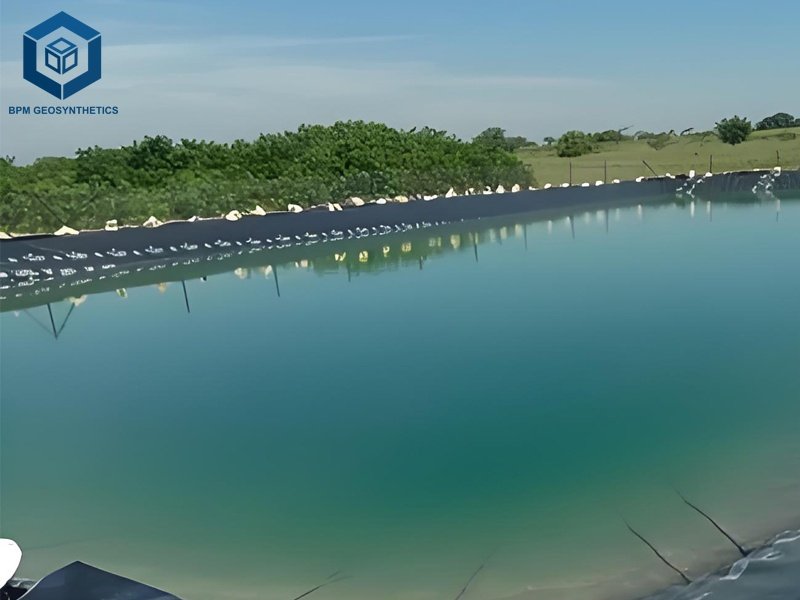
The best stormwater pond liners depend on the project size, site conditions, service life and budget. HDPE and geomembrane liners are strong choices for permanent, heavy-duty systems.
LLDPE and EPDM work well where flexibility or UV resistance is important. PVC fits faster installations, while clay and bentonite suit natural or temporary sealing needs.
Choosing the right stormwater pond liner early helps avoid leakage, reduce maintenance and extend the pond’s operational life.