Introduction
Building a backyard pond starts with one critical decision: the liner. Choose the wrong material, and you will spend more time patching leaks than enjoying your water feature. Choose the right one, and your pond will hold water for decades with minimal fuss.
This guide reviews seven of the best waterproof pond liners available in 2026. I tested EPDM, HDPE, RPE, and PVC options across real installations ranging from small patio tubs to large koi ponds. Below you will find honest pros and cons for each pick, plus a quick buyer’s guide to help you match the liner to your project.
1. Firestone PondGard 45-Mil EPDM — Editor’s Choice
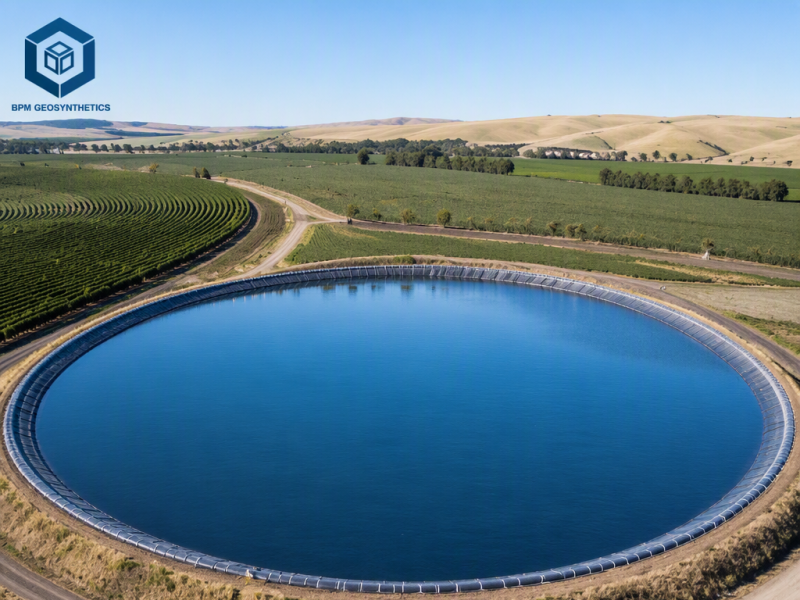
Firestone PondGard has dominated the pond liner market for decades, and for good reason. The 45-mil EPDM rubber delivers exceptional flexibility, allowing it to conform to complex rock shelves and irregular pond shapes without bunching or tearing.
This liner stays flexible even in freezing temperatures, which matters if you live in a cold climate. It resists UV radiation, ozone, and punctures from rocks and tree roots. Firestone backs it with a 20-year warranty and rates the material for a 75-year life expectancy.
The main drawback is weight. A 15×20-foot sheet tips the scales at around 90 pounds, so you will need a helper to position it. Plan for a two-person installation.
Best for: Permanent koi ponds, large water gardens, and any build where longevity matters more than upfront cost.
2. LifeGuard 45-Mil EPDM with Integrated Underlayment — Best All-in-One
LifeGuard solves a common installation headache by bonding a geotextile underlayment directly to the EPDM rubber. You skip the separate step of buying and laying a protective felt layer beneath the liner.
The 45-mil EPDM core matches Firestone’s thickness and flexibility. The integrated underlayment adds puncture protection without requiring a second trip to the store or extra labor on installation day.
The trade-off is price. LifeGuard costs more than buying a bare EPDM liner and a separate roll of underlayment. But for first-time pond builders who want simplicity, the convenience often justifies the premium.
Best for: Large ponds where you want an all-in-one solution and added puncture protection without extra steps.
3. TotalPond EPDM Rubber Liner — Best Budget Rubber Option
TotalPond’s EPDM liner offers genuine rubber performance at a friendlier price point than Firestone or LifeGuard. The 45-mil material resists tearing and punctures far better than any PVC product on this list.
Like all EPDM liners, it is fish-safe and plant-safe. The rubber formulation resists UV degradation and holds up well on rougher ground where thinner liners would fail.
The catch is weight and stiffness. EPDM is heavy, and TotalPond’s version can be tricky to mould into tight corners if you work alone. Recruit a second pair of hands for the install.
Best for: Pond owners who want rubber durability without paying the premium for Firestone or LifeGuard.
4. BPM Geosynthetic Smooth HDPE — Best Budget Pick
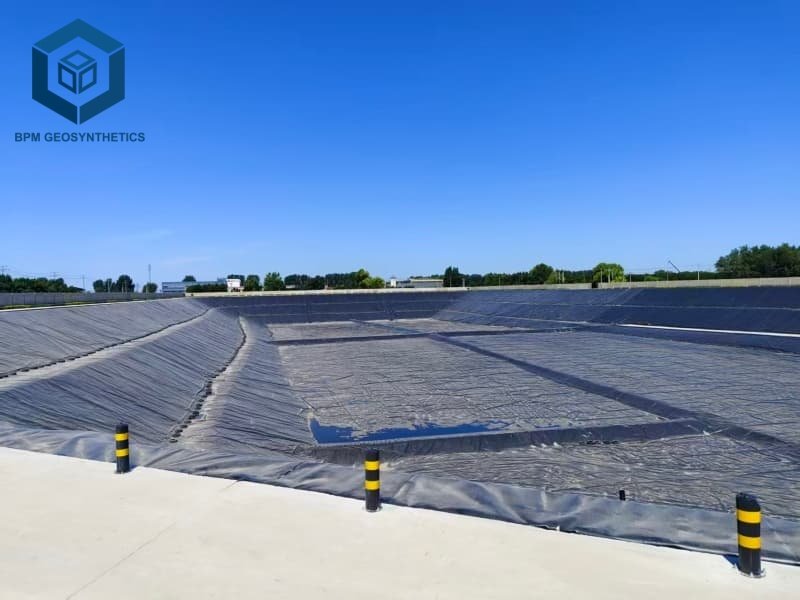
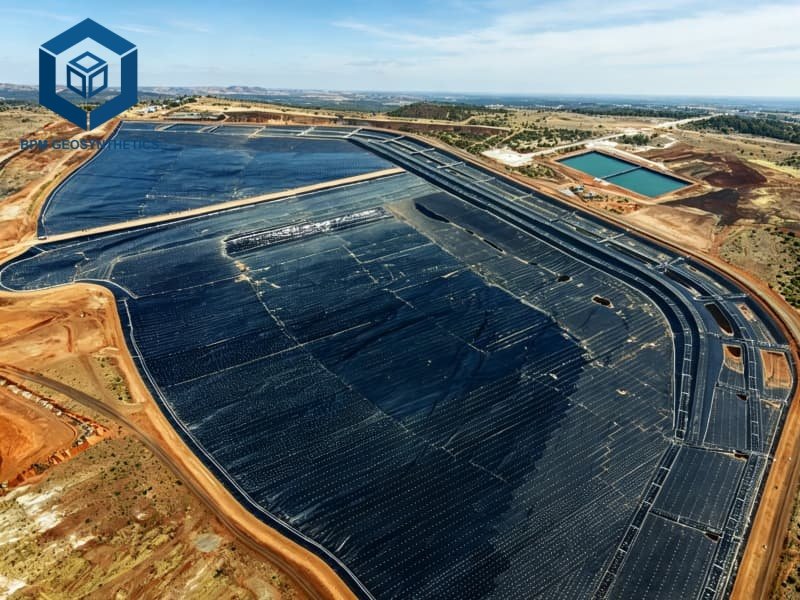
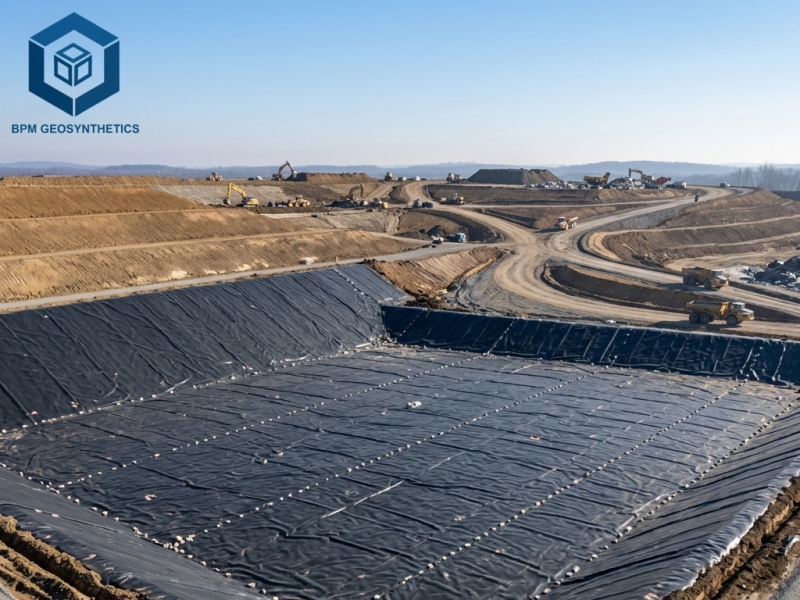
BPM Geosynthetic offers a smooth HDPE geomembrane liner that delivers commercial-grade performance at a factory-direct price point. The company manufactures from virgin HDPE resin with 2.0–3.0% carbon black for UV stabilization, and the material fully complies with GRI-GM13 standards across the 0.5 mm to 3.0 mm thickness range.
This liner suits small decorative ponds, container water features, and budget-conscious builds where you still want a product that will last. BPM backs its geomembranes with ISO 9001 and ISO 14001 certifications, and the material carries a field-proven service life of 20–50 years when exposed and 50–100+ years when buried.
The main limitation is flexibility. HDPE feels stiffer than rubber and will not stretch around sharp curves the way EPDM does. Puncture resistance for a 1.0 mm sheet comes in at around 320 N, which handles light-duty setups well but demands careful subgrade preparation on rocky sites.
Best for: Small wildlife ponds, patio water features, and budget-conscious DIY builds where commercial-grade certification matters.
5. BTL AquaArmor RPE — Best for Large-Scale Ponds
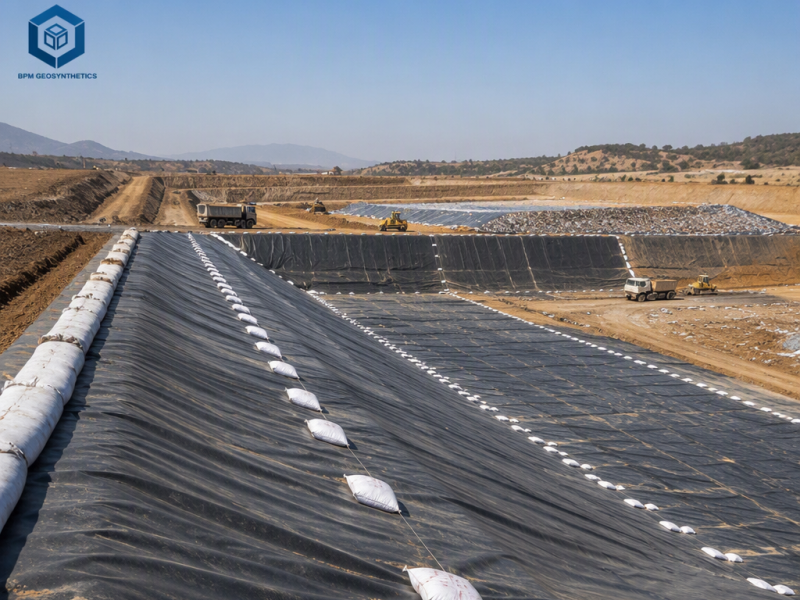
Reinforced polyethylene (RPE) has quietly become the material of choice for large pond projects. AquaArmor weighs roughly half as much as EPDM of comparable thickness, which makes a huge difference when you are handling a massive custom sheet.
The internal scrim construction delivers remarkable tear strength. Even if a puncture occurs, the woven grid prevents the hole from spreading into a long, catastrophic rip. The material is chemically inert and highly resistant to environmental degradation.
RPE does not stretch like rubber, so it is less forgiving on highly irregular shapes. For large, relatively simple pond footprints, however, the strength-to-weight ratio is unbeatable.
Best for: Farm ponds, large water reservoirs, and expansive irrigation or aquaculture systems.
6. Aquascape 45-Mil EPDM — Best for Deep Ponds
Aquascape engineered this liner specifically for deep water features where hydrostatic pressure puts immense stress on seams and corners. The 45-mil thickness balances pliability and ruggedness, resisting root penetration while still folding neatly into tight corners.
This liner pairs exceptionally well with underlayment, which Aquascape considers mandatory for preventing rocks from poking through under the weight of a full water column. Professional ecosystem pond builders frequently choose this brand for that reason.
It performs best in professional-grade installations. Casual DIYers may find the premium price hard to justify when TotalPond EPDM offers similar thickness for less.
Best for: Deep koi ponds, professional ecosystem builds, and installations where hydrostatic pressure is a primary concern.
7. TotalPond PVC Liner — Best Ultra-Budget Option
TotalPond’s PVC liner targets the entry-level market. The 14.5-mil sheet weighs about 30 percent less than standard PVC liners, thanks to a polyester weave reinforcement sandwiched between PVC layers.
The textured surface encourages beneficial bacteria colonization, which helps keep pond water clear. It resists UV damage and offers decent puncture protection for a plastic liner.
Be realistic about the lifespan. PVC degrades faster than rubber under UV exposure. Reviewers on garden pond forums consistently report PVC failing within months in exposed conditions. Use this liner only for small, shaded, or temporary water features. Always install a quality underlayment beneath it.
Best for: Container ponds, temporary water features, and ultra-budget starter projects.
Pond Liner Buyer’s Guide
Match the Material to the Job
EPDM rubber suits permanent ponds, koi habitats, and irregular shapes. RPE works best for large, simple footprints where weight savings matter. HDPE offers a strong budget option for small ponds. PVC should only go in temporary or heavily shaded features.
Thickness Matters More Than You Think
A 45-mil EPDM liner handles rocks and roots without tearing. A 20-mil HDPE liner works for light-duty setups but will not survive heavy stone placement. Match thickness to your site conditions, not just your budget.
Never Skip the Underlayment
A geotextile underlayment cushions the liner against sharp rocks, roots, and abrasive soil. It costs relatively little and dramatically extends the liner’s life. Install it from the pond center outward, overlapping strips by about a foot.
Plan for Help During Installation
EPDM and RPE liners are heavy. A 15×20 EPDM sheet weighs around 90 pounds. Arrange for at least one helper before you unroll the liner, and position it with minimal dragging to avoid stretching the material.
Final Verdict
For most pond builders, Firestone PondGard 45-mil EPDM remains the safest investment. It combines proven durability, fish safety, and a 75-year life expectancy that no plastic liner can match.
If weight and large-scale coverage drive your decision, BTL AquaArmor RPE offers a superior strength-to-weight ratio. Budget-minded builders building small features should look at BPM Geosynthetic Smooth HDPE for a GRI-GM13-compliant liner at a factory-direct price, or TotalPond PVC for temporary setups.
Whichever liner you choose, pair it with a quality underlayment and take your time during installation. A pond is only as good as the waterproof layer beneath it.