
Short on time? Here are our verified top choices. HDPE works best for large industrial and agricultural reservoirs. EPDM delivers the longest lifespan for drinking water and custom-shaped ponds. LLDPE offers flexible, weather-resistant performance for mid-size projects. Budget builders choose RPE or PVC, while eco-friendly projects rely on GCL and compacted clay. Every option on this list passes real-world outdoor testing for reservoir water containment.
What Is a Reservoir Liner, and Why Do You Need One?
Core Function of Reservoir Liners
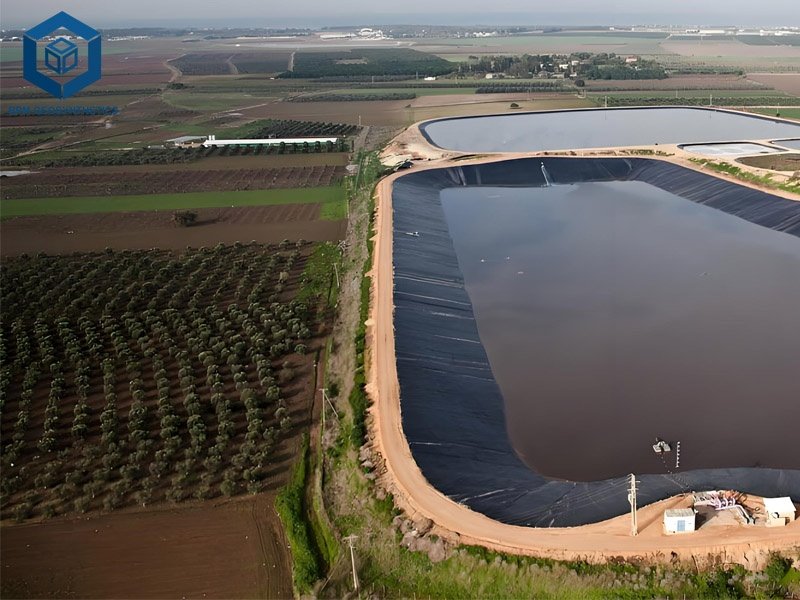
A reservoir liner is a waterproof barrier that sits between your stored water and natural ground. It stops water seepage, prevents soil erosion, and keeps your water clean year-round. Without a quality liner, reservoirs steadily lose water, grow unwanted weeds, and suffer structural ground damage over time.
Key Benefits of Installing a Quality Liner
Quality liners cut ongoing water refill costs and reduce routine maintenance labor. They protect groundwater from sediment and chemical contamination. They also extend your reservoir’s lifespan by decades, avoiding expensive full reconstruction. Proper liners withstand UV rays, temperature swings, and sharp rock abrasion outdoors.
Common Risks of Low-Quality Liners
Cheap or mismatched liners crack in freezing weather, tear on rocky ground, and degrade under direct sunlight. They cause constant water loss, murky water quality, and frequent patching repairs. Poor liners also fail to block soil toxins, which ruins water usability for irrigation, livestock, and residential supply.
What Qualities Make a Great Reservoir Liner Material?
Durability & Weather Resistance
Top-tier liners resist UV radiation, extreme heat, frost, and seasonal temperature shifts. They do not become brittle or stretch excessively after years of outdoor exposure. Reliable materials maintain structural integrity through rain, drought, and freezing winters.
Puncture & Tear Resistance
Reservoir ground often contains sharp rocks, roots, and rough soil. Good liners handle minor ground movement and sharp debris without tearing. Reinforced and thick-grade materials perform far better on unprocessed, rugged terrain.
Water Safety & Long Lifespan
Safe liners contain no toxic chemicals that leach into drinking or irrigation water. Premium options carry NSF certifications for potable water use. Long-lasting materials deliver 10 to 50 years of service to maximize your project ROI.
The 7 Best Reservoir Liner Materials (Expert Reviewed)
1. HDPE Liner – Best for Large Industrial & Agricultural Reservoirs
HDPE (High-Density Polyethylene) is the industry standard for permanent large-scale reservoirs. It boasts rigid construction, superior chemical resistance, and zero water permeability. It meets global industrial standards for mining, irrigation, and commercial water storage projects.
This material fights UV damage, alkaline soil, and long-term water immersion effectively. Wide roll sizes minimize seams, which are the most common leakage points. Most HDPE liners last 20 to 40 years with minimal seasonal maintenance.
HDPE excels for large farm reservoirs, mining ponds, and municipal water storage. It delivers unmatched long-term value for fixed permanent projects. Its only downside is low flexibility, so it fits regular-shaped reservoirs best.
2. LLDPE Liner – Best Flexible Option for Custom Reservoir Shapes
LLDPE (Linear Low-Density Polyethylene) is a flexible upgrade from standard HDPE. It stretches smoothly to fit uneven ground, curved edges, and irregular pond layouts. It tolerates minor ground settling without cracking or leaking.
It offers stronger puncture resistance than HDPE and handles temperature fluctuations better outdoors. UV-stabilized LLDPE retains its strength through hot summers and cold winters. It works reliably for medium-sized residential and commercial reservoirs.
Homeowners and small farmers prefer LLDPE for its easy installation and adaptive design. It suits aquaculture ponds, custom landscape reservoirs, and flexible water containment builds. It costs slightly more than basic HDPE of equal thickness.
3. EPDM Rubber Liner – Best for Drinking Water & Long-Term Durability
EPDM synthetic rubber is the most durable flexible liner available. It remains pliable in extreme heat and freezing cold and resists UV degradation better than most plastic alternatives. High-grade EPDM lasts up to 50 years in outdoor service.
Most premium EPDM liners hold NSF/ANSI 61 certification for safe drinking water storage. It conforms perfectly to steep slopes, rough terrain, and complex reservoir shapes. Simple tape seam installation requires no heavy machinery.
Choose EPDM for residential drinking water reservoirs, landscape water features, and high-value permanent ponds. Its only drawback is higher upfront material costs compared to polyethylene liners.
4. RPE Liner – Best Budget Reinforced Liner
RPE (Reinforced Polyethylene) features embedded fabric layers for improved tensile strength and tear resistance. It targets budget-focused projects that still require reliable waterproof performance. It balances low cost and solid durability.
This lightweight liner installs fast with basic hand tools. It resists everyday outdoor wear, mild weathering, and surface abrasion. It consistently performs for 8 to 12 years in standard outdoor conditions.
RPE fits small residential reservoirs, temporary agricultural water storage, and DIY landscape builds. It offers beginner-friendly pricing and simple installation. Avoid RPE for industrial sites or extremely rocky, sharp terrain.
5. PVC Liner – Best for Simple DIY Landscape Ponds
PVC is a popular entry-level liner for small, simple reservoir projects. It features soft flexibility, easy cutting, and straightforward installation. Pre-cut PVC sheets help beginners finish projects quickly.
It resists mild surface wear and works well for short-term water containment. It carries very low material and labor costs for small decorative ponds and temporary water features.
PVC works best for non-permanent landscape reservoirs and casual DIY builds. It struggles with long-term UV exposure and may degrade faster in direct sunlight. It is not ideal for drinking water storage.
6. GCL (Geosynthetic Clay Liner) – Best Eco-Friendly Solution
GCL is a natural composite liner made from bentonite clay sandwiched between geotextile layers. It creates a waterproof seal when clay absorbs water and swells naturally. It uses no chemical coatings for waterproofing.
This eco-friendly material supports natural ecosystem health and avoids chemical contamination. It blends seamlessly with soil environments and tolerates moderate ground movement. It resists biological decay and long-term natural erosion.
GCL suits ecological restoration projects, environmental protection reservoirs, and natural landscape water bodies. It needs professional installation and performs poorly in extreme drought or persistent freezing weather.
How to Pick the Perfect Reservoir Liner for Your Project
Match Material to Reservoir Size & Terrain
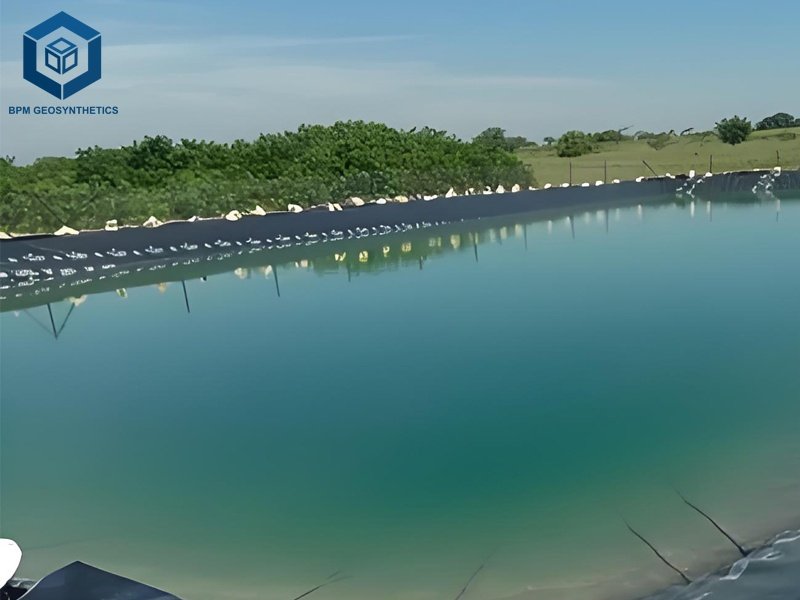
Use rigid HDPE for large, regular industrial reservoirs. Choose flexible LLDPE or EPDM for irregular, sloped, or custom-shaped ponds. Pick reinforced RPE for flat, small-scale DIY terrain.
Prioritize Safety Based on Water Usage
Select certified EPDM or HDPE for potable drinking water storage. Use RPE, PVC, clay, or GCL for non-potable irrigation, landscape, and ecological water projects.
Balance Budget, Lifespan & Maintenance
Choose PVC or RPE for short-term, low-budget builds. Invest in HDPE or EPDM for permanent, low-maintenance reservoirs. Select GCL or compacted clay for eco-focused, natural water projects.
Final Thoughts
Choosing the right reservoir liner directly impacts water retention, maintenance costs, and project longevity. Large industrial builds thrive with HDPE, while custom residential ponds benefit from flexible LLDPE and safe EPDM. Budget users rely on RPE and PVC, and eco-projects favor natural GCL and compacted clay.
Always match your liner choice to your reservoir size, terrain, water usage, and budget. A well-selected liner eliminates water waste, reduces repairs, and keeps your reservoir functional for decades.