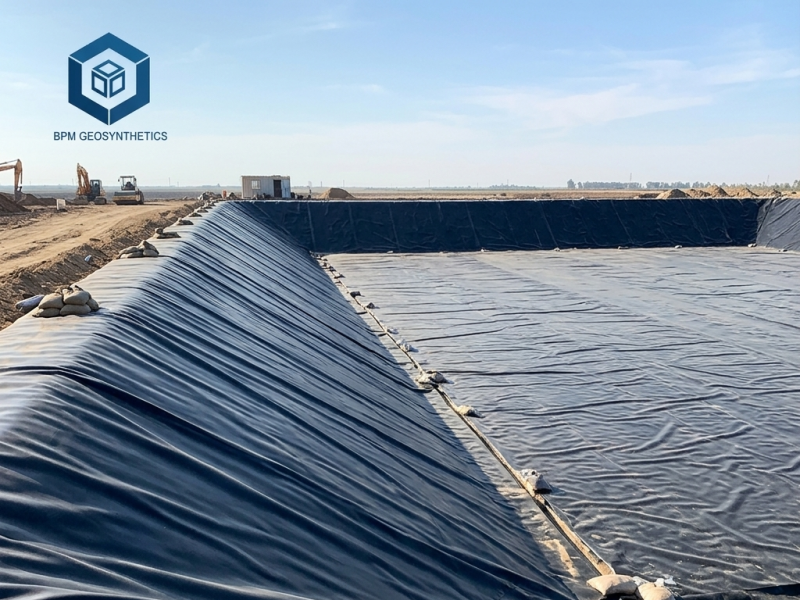
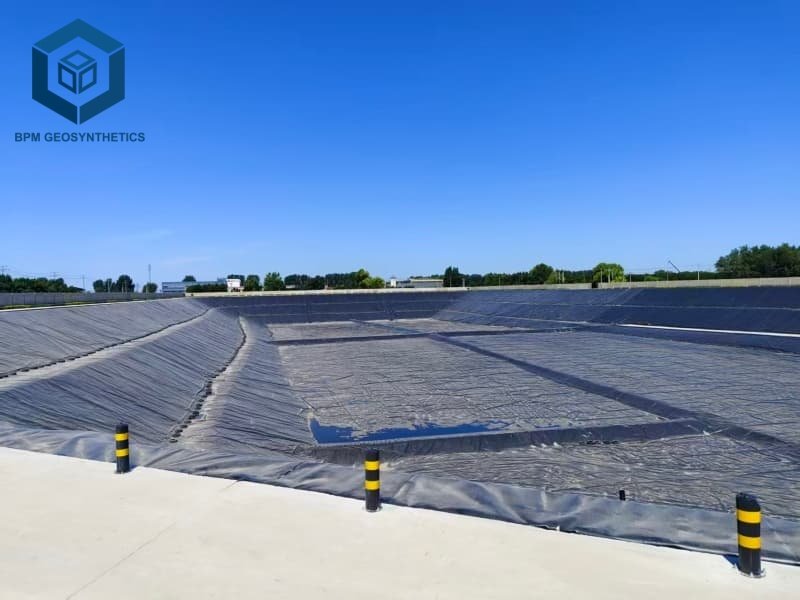
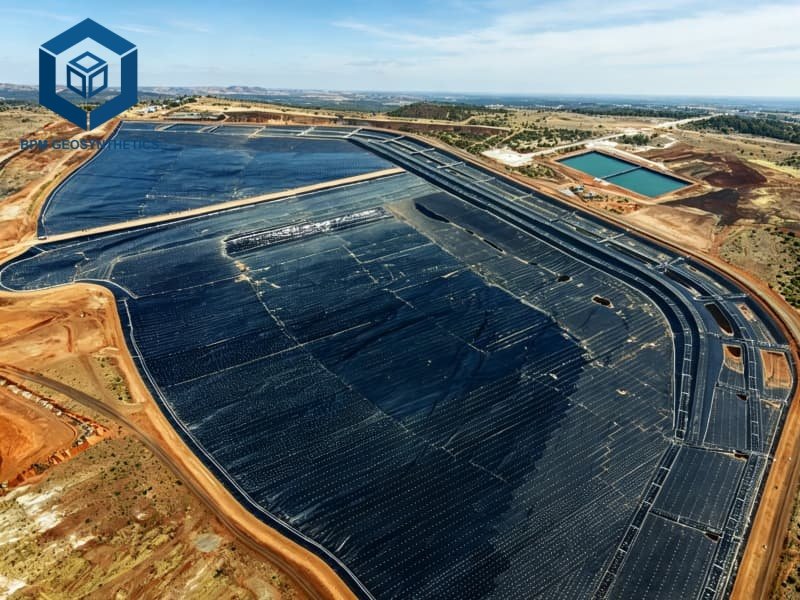
High-density polyethylene (HDPE) membranes hold over 55% of the global geomembrane market in 2026. They are the most widely used impermeable materials for civil engineering, environmental protection and industrial containment projects. Known for 99.9% seepage prevention, 95% chemical resistance and a service life spanning 20 to 100 years, these liners are common in landfills, aquaculture ponds, mining operations and water reservoirs. Their 2026 price range generally sits between
0.50and3.50 per square meter for raw materials alone, and the full installed system costs 2.00to7.50 per square meter. This data-driven guide breaks down HDPE membrane pricing, core influencing factors, and practical purchasing strategies for all types of projects.
1. Basic Overview of HDPE Membranes
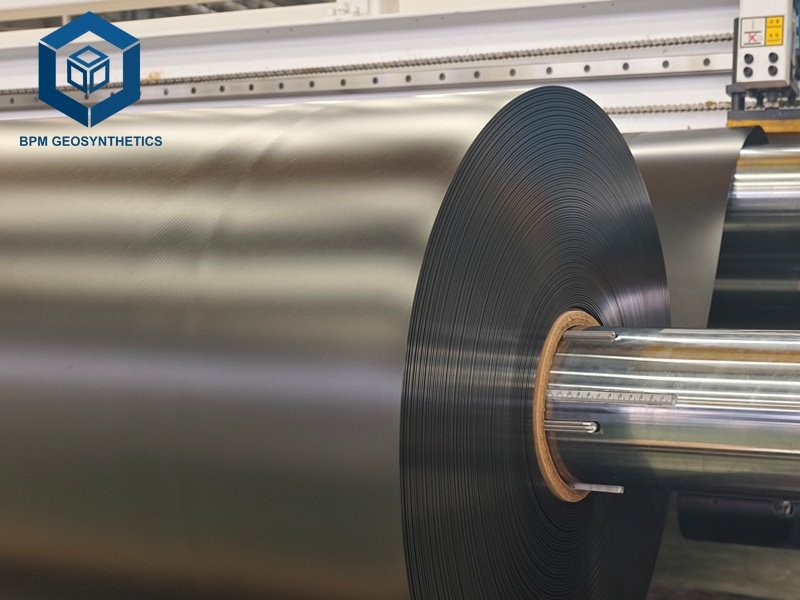
An HDPE membrane is a synthetic impermeable liner made of 97.5% polyethylene mixed with 2% to 3% carbon black and targeted anti-aging, UV stabilization additives. It has a density between 0.94 and 0.96 g/cm³. Its tensile strength reaches 20 to 45 kN/m under ASTM D6693 testing rules, and its permeability is lower than 1×10⁻¹¹ cm/s. These properties let it achieve full impermeability to block liquid and gas migration effectively.
Standard HDPE membranes come in thicknesses from 0.3 mm to 3.0 mm. The 0.75 mm to 1.5 mm range covers most conventional use cases. Roll sizes are customizable from 2 meters to 10 meters in width, and 50 meters to 300 meters in length, to fit projects ranging from small 100 square meter garden ponds to large 500,000 square meter landfill sites. After 1500 hours of standard UV exposure testing, the liners still retain over 80% of their original strength. Certified products that meet GRI-GM13 and ISO 9001 standards can guarantee 99% quality compliance. Globally, 40% of HDPE membrane consumption goes to landfill projects, 25% to mining sites, 20% to aquaculture, and the remaining 15% to water management infrastructure.
2. Core Factors That Shape HDPE Membrane Pricing
2.1 Raw Material Quality
Raw materials make up 50% to 60% of the total cost of HDPE membranes. Virgin HDPE resin is the top choice for high-reliability projects. It delivers a 50 to 100 year service life, and fully meets all GRI-GM13 industry standards. Recycled HDPE resin costs 20% to 30% less upfront, but its usable life only reaches 10 to 20 years. It also brings 50% higher long-term maintenance risks for users. The added 2.5% carbon black, antioxidants and UV stabilizers add a small extra cost per square meter, but they boost the liner’s UV and chemical resistance to 95%, which is critical for long-term field performance. In 2026, global HDPE resin prices have seen a 5% to 7% surge driven by crude oil volatility, which pushes up total HDPE membrane costs by 30% to 40% compared to pre-2025 levels.
Affected by 2026 regional geopolitical shifts, the major global PE export zone in the Middle East faces continuous shipping disruptions in the Strait of Hormuz. Global PE supply has dropped more than 40% year on year, and China’s HDPE import volume fell 27.77% in the first half of 2026. This has driven the price of mainstream HDPE raw materials to the 8800 to 10500 yuan per ton range as of July 2026. It creates sustained upward pressure on finished HDPE membrane pricing in Asian markets.
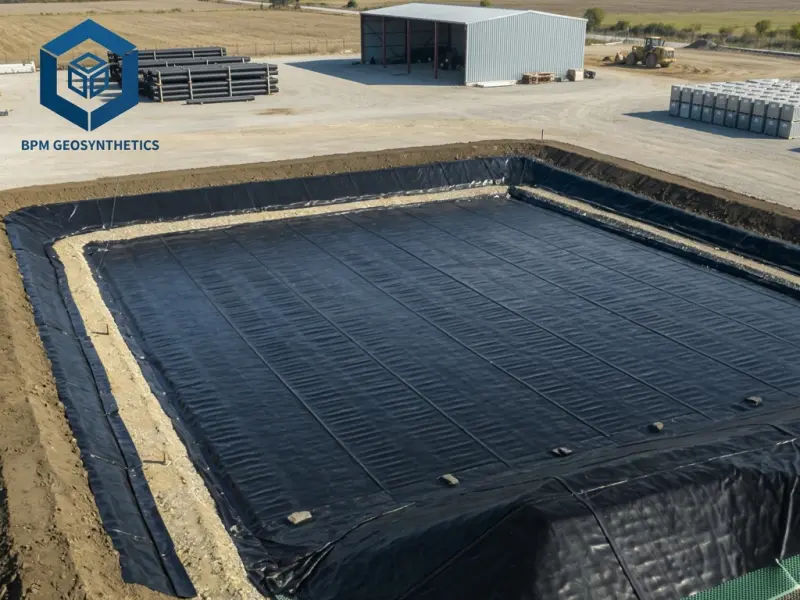
2.2 Liner Thickness
Thickness is the most direct factor that affects HDPE membrane cost. Every 0.5 mm increase in thickness adds 0.20to0.50 per square meter to the material price, as it consumes 20% to 50% more HDPE resin. The 0.5 mm specification carries a material price of 0.35to1.00 per square meter, and fits small, low-stress garden ponds. The 0.75 mm to 1.0 mm range costs 0.62to1.50 per square meter, and is the mainstream pick for ordinary aquaculture and irrigation projects. The 1.5 mm to 2.0 mm thick liners are priced at1.50to2.50 per square meter. They are widely used for municipal landfills and mining containment that requires high puncture resistance. Thicker 2.5 mm to 3.0 mm heavy-duty HDPE membranes reach 2.50 to3.50 per square meter, which are reserved for high-pressure industrial waste storage scenarios.
2.3 Surface Type
Smooth HDPE membranes are the most cost-effective option, priced at
0.50to1.50 per square meter. They install easily on flat ground, and are ideal for regular fish ponds and water storage reservoirs. Textured HDPE membranes are manufactured with special processes to create a rough surface. They cost 10% to 20% more than smooth versions, with a price range of 0.60to1.80 per square meter. The textured surface boosts friction by 25%, which reduces liner slippage risks on steep containment slopes by 22%. This makes them the necessary choice for landfill side walls and mining heap leach pad projects.
2.4 Order Volume
Bulk purchases bring obvious cost discounts to buyers. Orders smaller than 1000 square meters belong to the small order category. They carry the highest per-unit cost at 0.80to3.50 per square meter, because the production and logistics fixed costs cannot be spread out. For orders between 1000 and 10000 square meters, buyers can get 10% to 15% off the base price, which brings the unit cost down to 0.62to2.50 per square meter. When the order size exceeds 10000 square meters, customers can unlock 20% to 30% bulk discounts. Ultra-large orders over 50000 square meters even get an extra 15% to 25% rebate from major suppliers. For example, a 10000 square meter order of 1.0 mm HDPE membrane can save 20% total cost compared to a 1000 square meter small order of the exact same product.
2.5 Installation Complexity
Installation related expenses account for 30% to 50% of the total project cost. Site clearing that removes sharp rocks and tree roots costs 1.08to5.38 per square meter. A protective geotextile underlay that reduces liner puncture risks by 95% adds another
1.62to5.38 per square meter. Professional hot wedge welding work that guarantees 99% seam integrity costs 0.54to1.62 per square meter. Local labor costs also vary widely by region. In China, HDPE membrane installation labor only costs 2to5 per hour, while in North America the same labor can reach15to25 per hour. Rocky terrain or steep construction sites will push total installation labor costs up by an extra 15% to 20%.
3. 2026 Price Benchmarks by Project Scale
For small scale projects between 100 and 1000 square meters, the total all-in cost sits between 200and3500. These projects usually use 0.5 mm to 0.75 mm smooth HDPE membranes .It for small home fish ponds or mini sewage lagoons. They have a 10 to 20 year design life, with the advantage of low upfront investment, and the limitation that they cannot work for water depths over 3 feet.
For medium scale projects between 1000 and 10000 square meters, the total budget ranges from 2600to25000. This category covers commercial aquaculture farms and small regional landfills. They mostly select 0.75 mm to 1.5 mm HDPE membranes, with a design life of 20 to 50 years. These products meet 95% UV resistance requirements, and handle water depths between 3 feet and 6 feet very reliably.
For large scale projects over 10000 square meters, the total cost starts from
20000 and cangowell above75000. They use 1.5 mm to 3.0 mm textured HDPE membranes for municipal landfills and large mining tailings facilities. These liners deliver 50 to 100 years of service life, and achieve 99.9% strict seepage control. The bulk purchase discount offsets the higher material cost, making it the most cost-effective solution for long-term high-risk containment.
You also need to reserve extra budget for supporting expenses. Shipping for 1000 to 10000 square meter orders usually costs 200to1000. Annual routine inspection and maintenance work costs 0.10.10to0.50 per square meter, and can help you avoid thousands of dollars in unexpected leak repair costs later. Local taxes and import duties will add another 5% to 15% to the final cost in most regions.
4. Practical Purchasing Tips
First, confirm your core project requirements before buying. Ordinary aquaculture projects only need 0.75 mm to 1.0 mm food grade virgin HDPE membrane. Municipal landfill projects must pick 1.5 mm or thicker HDPE products that strictly meet GRI-GM13 standards. For steep slope sites, textured HDPE membranes are a necessary investment to avoid slip failures. Second, check product certifications carefully. Qualified HDPE membranes with ISO 9001 and SGS test reports have far fewer hidden defects than uncertified no-name products. Third, work with reputable manufacturers like BPM Geosynthetics that have stable supply capacity. They can provide 20% to 30% bulk discounts, custom roll sizes, 20 to 50 year formal warranties and full on-site installation technical support.
A reasonable procurement choice can help you cut total cost by 15% to 25%, while making sure the HDPE membrane system runs reliably for decades. You can contact leading HDPE membrane suppliers for a custom targeted quote that matches your project scale and site conditions.