1.What is GeomembraneLLDPE
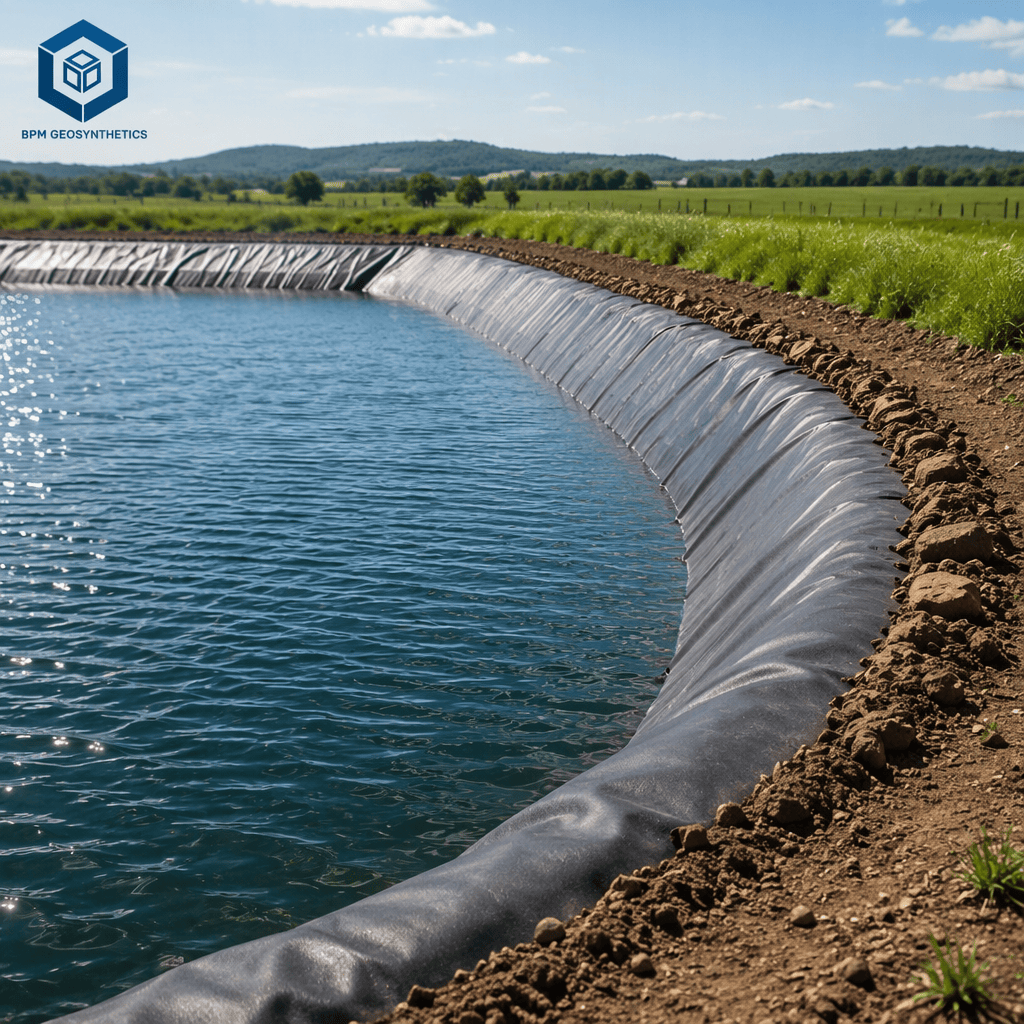
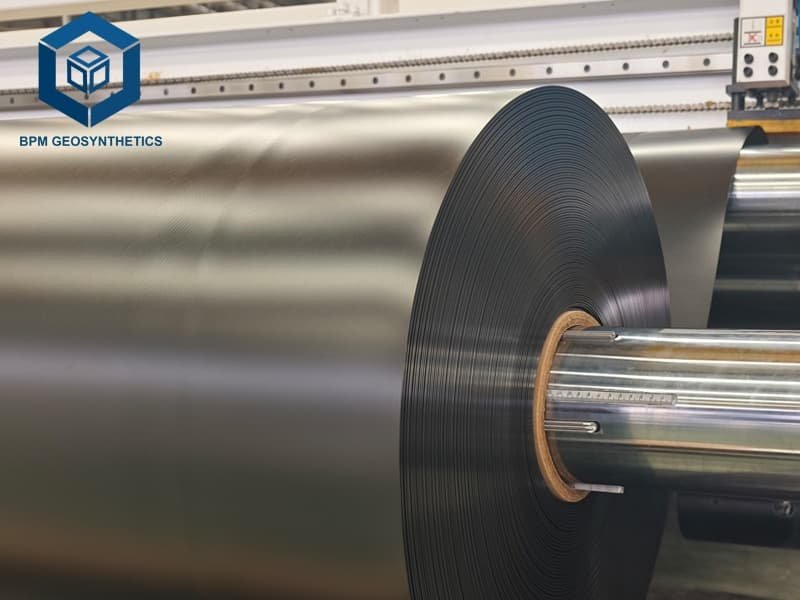
LLDPE (Linear Low-Density Polyethylene) Geomembrane is a synthetic membrane liner crafted from high-quality polyethylene resins, serving as an impermeable barrier in various engineering and environmental projects. As part of the broader family of geosynthetic materials, which includes geotextiles, geogrids, and geocomposites, geomembranes are specifically engineered to control fluid or gas migration in structures . The unique molecular structure of LLDPE—characterized by its linear arrangement with short, controlled branches—grants it a balanced combination of flexibility, durability, and chemical resistance, distinguishing it from other geomembrane types like HDPE (High-Density Polyethylene) or PVC (Polyvinyl Chloride) . Typically available in thicknesses ranging from 0.1 mm to 3.0 mm, geomembrana LLDPE are manufactured into rolls of varying widths (e.g., 1–10 meters) and lengths (e.g., 50–200 meters), allowing for customized installation across diverse projects. Originally developed for containment applications in waste management and mining, geomembrana LLDPE have evolved to address the needs of modern infrastructure, including aquaculture, water conservation, and agricultural projects, owing to their adaptability and cost-effectiveness.
The production process involves polymerizing ethylene with alpha-olefins, resulting in a material that exhibits higher tensile strength and puncture resistance compared to conventional LDPE (Low-Density Polyethylene). According to industry standards such as ASTM GRI-GM13, geomembrana LLDPE undergo rigorous testing for properties like tensile strength, elongation, and environmental stress cracking resistance, ensuring reliability in demanding conditions . Brands like BPM Geosynthetics specialize in producing geomembrana LLDPE that meet these international benchmarks, offering products tailored to specific project requirements, such as fishpond liners or landfill covers . As a sustainable alternative to traditional construction materials like clay or concrete, LLDPE geomembranes contribute to environmental protection by preventing contamination and conserving water resources, making them a cornerstone of modern engineering solutions.

2.Scope of Applications–Geomembrana LLDPE
Geomembrana LLDPE are renowned for their versatility across multiple industries, driven by their impermeability, flexibility, and resistance to environmental stressors. In environmental engineering, they are widely used in landfill liners and caps to prevent leachate from contaminating groundwater, as well as in tailings storage facilities for mining operations, where they contain hazardous waste materials . The material’s compatibility with harsh chemicals and UV radiation makes it suitable for industrial containment systems, including fuel storage tanks, wastewater treatment ponds, and secondary containment units . Additionally, LLDPE geomembranes play a critical role in water resource management, lining irrigation canals, reservoirs, and decorative water features like artificial lakes to minimize seepage and enhance water conservation .
In agriculture and aquaculture, geomembrana LLDPE have become indispensable for constructing durable and hygienic pond liners. For instance, in fish and shrimp farming, they create controlled environments that prevent water loss and protect stock from soil-borne contaminants . Their flexibility allows for easy installation in irregularly shaped ponds, which is common in aquaculture projects across regions like Southeast Asia and Africa. The material’s adaptability also extends to infrastructure development, including tunnel waterproofing, roadbed protection, and erosion control on slopes. With the global geomembrane market projected to grow annually by 13.75%—reaching nearly 80 billion CNY by 2025—the demand for LLDPE variants is expected to surge, particularly in emerging economies investing in sustainable infrastructure .
3.Key Characteristics and Advantages—Geomembrana LLDPE
Geomembrana LLDPE boast a suite of exceptional properties that make them a preferred choice for containment applications. One of their most lauded features is high flexibility and elongation at break, which can exceed 700%, allowing the material to withstand ground settlement, seismic shifts, and other structural movements without cracking or failing . This mechanical robustness is complemented by outstanding chemical resistance to acids, alkalis, oils, and saline solutions, ensuring long-term performance in aggressive environments like mining or chemical storage sites . Moreover, LLDPE geomembranes exhibit low permeability, with hydraulic conductivity as low as 1×10⁻¹⁷ cm/s, effectively creating an impervious barrier against liquids and gases.
Another significant advantage is their ease of installation and seam integrity. LLDPE geomembranes can be welded using thermal, solvent, or extrusion methods, forming strong, continuous seams that maintain the liner’s impermeability . This is particularly beneficial for large-scale projects, such as fish farms or landfills, where seamless coverage is critical. Compared to HDPE geomembranes, which are stiffer and more prone to stress cracking, LLDPE variants offer superior conformability to uneven surfaces, reducing the need for extensive site preparation . Additionally, LLDPE geomembranes are UV-resistant and weatherproof when stabilized with carbon black, extending their service life to over 20 years even in exposed conditions . For example, BPM Geosynthetics’ LLDPE products incorporate additives that enhance anti-aging properties, making them suitable for outdoor applications like aquaculture ponds . These characteristics collectively contribute to cost savings, reduced maintenance, and enhanced project sustainability.
4. Role and Effectiveness in Fish Farming Projects–Geomembrana LLDPE
In fish farming projects, LLDPE geomembranes serve as protective liners that create a controlled aquatic environment, directly impacting productivity and sustainability. One of their primary functions is preventing water seepage into the substrate, which conserves water resources and maintains stable pond levels—especially critical in arid regions or areas with porous soils . By forming an impermeable barrier, these liners reduce water usage by up to 50% compared to unlined ponds, lowering operational costs for farmers. Furthermore, LLDPE geomembranes isolate cultured species from soil-borne pathogens, pollutants, and predators, minimizing disease outbreaks and improving stock survival rates. For instance, in shrimp farming, where water quality is paramount, the smooth surface of LLDPE liners facilitates easy cleaning and waste removal, preventing the accumulation of organic sludge that could degrade water conditions .
The durability and chemical inertness of geomembrana LLDPE ensure compatibility with aquaculture inputs like fertilizers, antibiotics, and feed, without degrading or leaching harmful substances into the water . This is vital for maintaining optimal water parameters, such as pH and dissolved oxygen, which directly influence fish health and growth rates. Brands like BPM Geosynthetics design their LLDPE geomembranes with aquaculture-specific features, including non-toxic formulations and reinforced seams, to withstand dynamic loads from equipment or livestock movement .. In practice, projects using BPM’s liners have reported zero seepage and reduced maintenance costs, highlighting the material’s reliability .. Beyond operational benefits, LLDPE geomembranes support sustainable aquaculture by preventing groundwater contamination from waste discharge, aligning with environmental regulations and certification standards.
5. BPM Geosynthetics Brand Overview–Geomembrane LLDPE
BPM Geosynthetics has established itself as a leading manufacturer of high-quality geomembranes, including LLDPE variants tailored for global engineering and aquaculture projects. The company’s products adhere to international standards such as ASTM GRI-GM13 and are certified by ISO, CE, BV, and other regulatory bodies, ensuring consistent performance and safety . BPM’s LLDPE geomembranes are available in thicknesses from 0.1 mm to 3.0 mm, with customizable widths (up to 10 meters) and colors (e.g., black, blue, green, white), allowing clients to optimize specifications for projects like fishpond liners or landfill caps .. The brand emphasizes quality control through every production stage, from raw material selection—using virgin HDPE/LLDPE resins—to advanced manufacturing processes that enhance properties like tensile strength and UV resistance ..
A key strength of BPM Geosynthetics is its comprehensive service model, which includes technical support, on-site installation guidance, and customized solutions .. For aquaculture clients, the company provides tailored geomembrane systems that address common challenges, such as uneven terrain or corrosive water conditions, backed by warranties of up to 10 years. Testimonials from users in sectors like mining and fish farming underscore the liners’ effectiveness in preventing seepage and reducing long-term costs . By integrating innovation with sustainability, BPM Geosynthetics contributes to the growth of the geomembrane market, which is projected to expand rapidly under initiatives like China’s “Two News and One Heavy” strategy, focusing on infrastructure and environmental protection.

6.Conclusion
geomembrana LLDPE represent a pivotal innovation in geosynthetic technology, offering a blend of flexibility, chemical resistance, and impermeability that meets the demands of diverse applications, from environmental containment to aquaculture. Their ability to prevent fluid migration and adapt to complex geometries makes them indispensable in projects where reliability and sustainability are paramount. In fish farming, for example, LLDPE liners not only enhance water conservation and stock health but also contribute to eco-friendly practices by minimizing environmental impact. As global challenges like water scarcity and pollution intensify, the role of engineered solutions like LLDPE geomembranes will continue to grow, driven by advancements in material science and manufacturing.
Brands such as BPM Geosynthetics play a crucial role in this landscape by delivering products that combine quality, customization, and technical expertise. With the geomembrane market poised for significant expansion, LLDPE variants will remain at the forefront of efforts to build resilient infrastructure and protect natural resources. By investing in these materials, industries can achieve both economic and environmental benefits, ensuring long-term success in their operations.
As the largest geomembrane liner companies in China, BPM has more than 160 professional staff and 36,000 square meters géomembrane manufacturing factory equipped with state of the art geomembrane production lines. BPM geomembrane factory is certificated by ISO9001, ISO14001, and OHSAS18001. All BPM geomembranes have passed the certificates of the TUV, Soncap, SASO, BV and the test of SGS and Intertek etc. Product innovation, quality assurance and customer satisfaction are our long term commitment to our worldwide customers. Hope to be your partner.
BPM had provided many types of effective and states of the art geomembranes and other geosythetics to over 36 countries. Our main customers are from Australia, France, Sweden, UK, Hong Kong, Hungary, New Zealand, Poland, Mexico, Ecuador, Brazil, Pakistan, Bangladesh, Thailand, Vietnam, Malaysia, Indonesia, Singapore, Philippines, Sri Lanka, India, UAE, Saudi Arabia, Qatar, Kenya, Ghana, Ethiopia, Somalia, Nigeria, South Africa, Swaziland, Mongolia etc.